
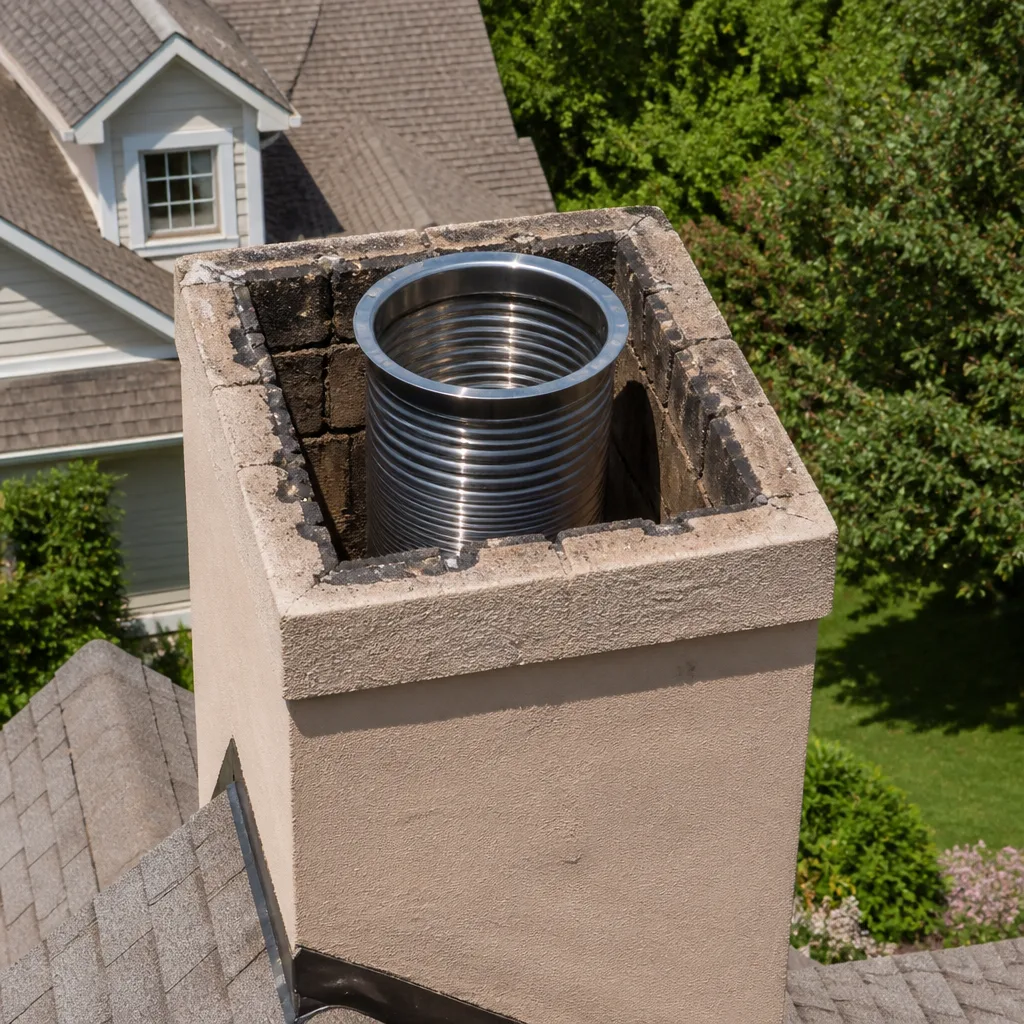
 Flue relining
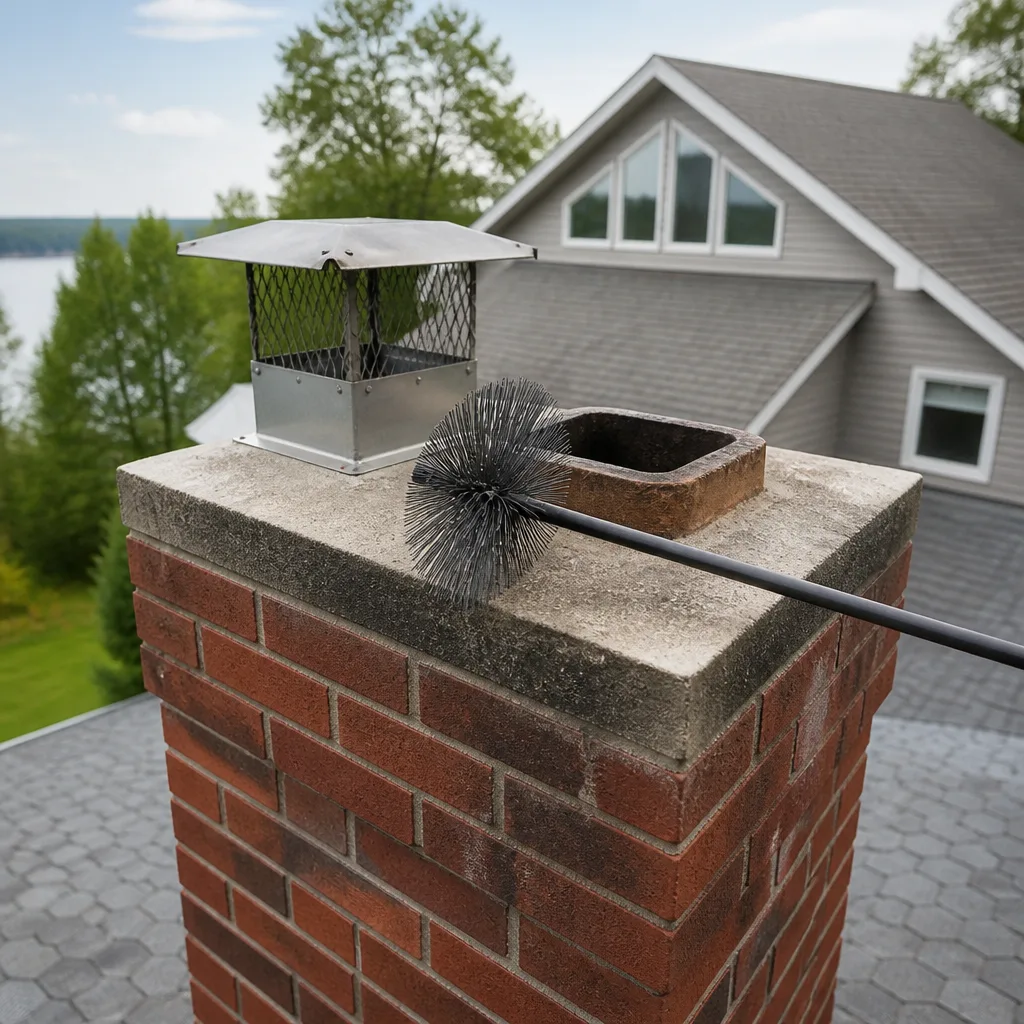 Sweep & inspection
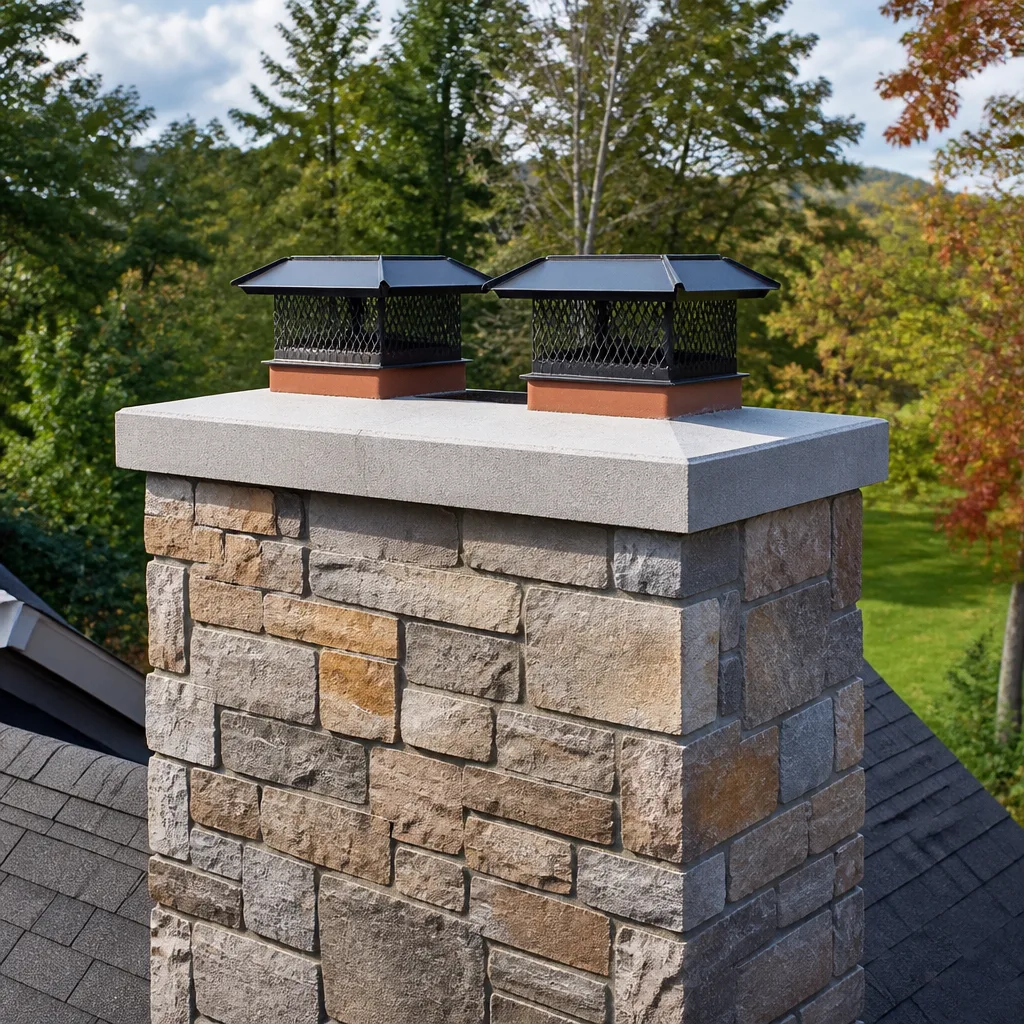 Caps & crowns
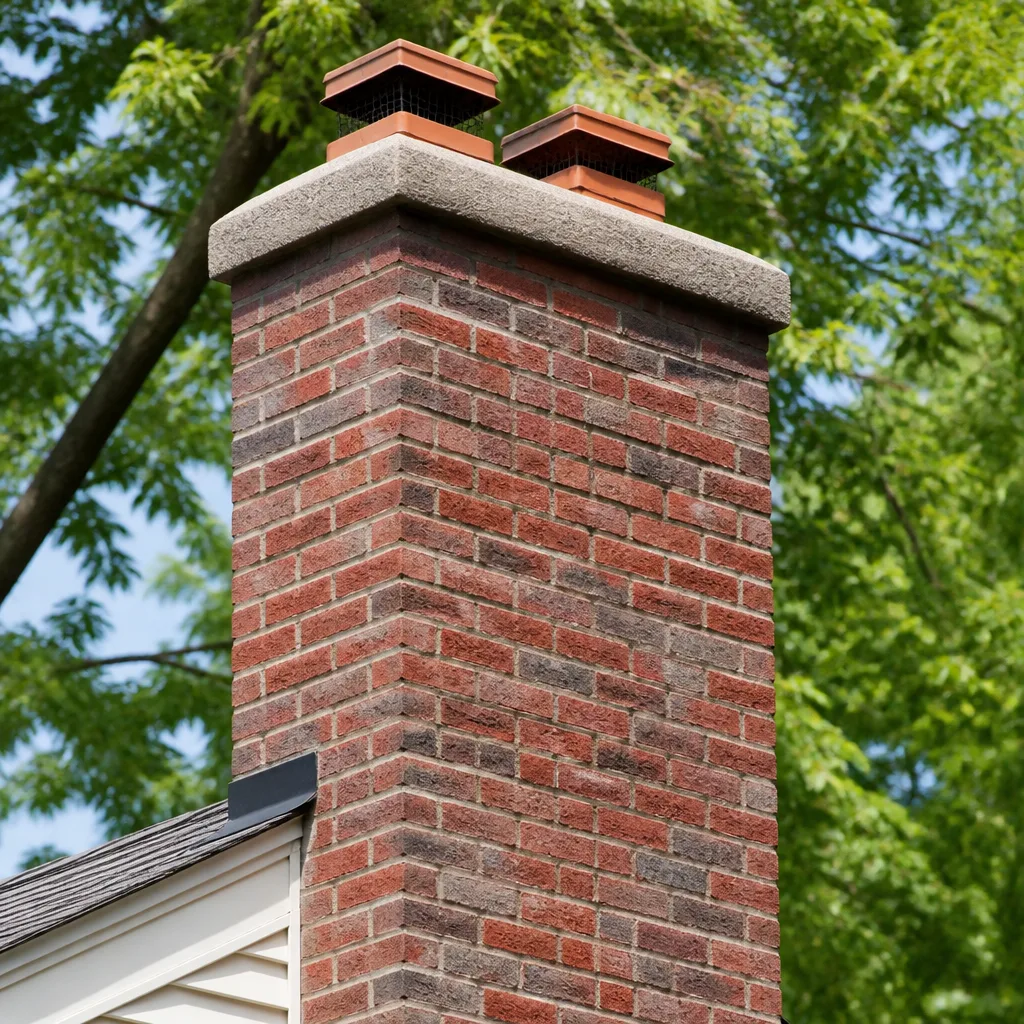 Masonry repair
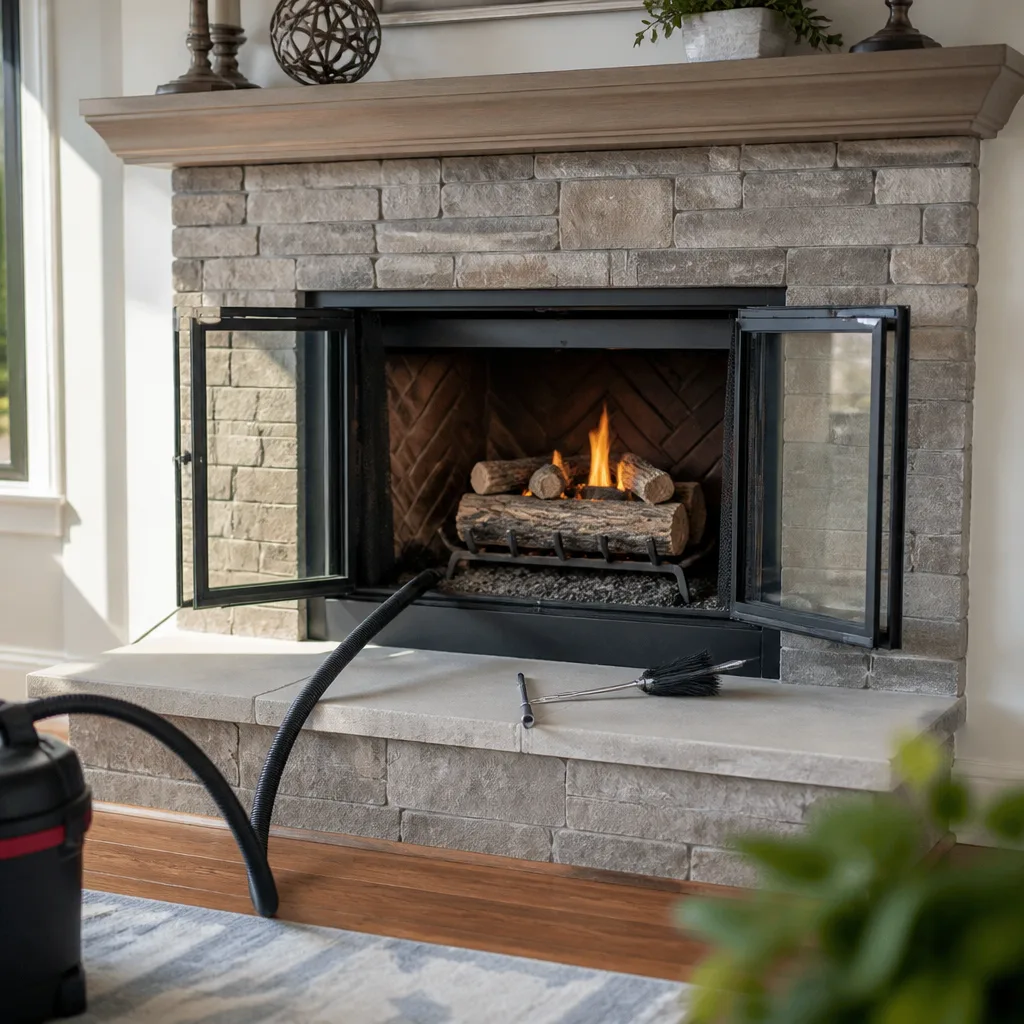 Gas fireplace service
Level 1 sweep and inspection to the NFPA 211 annual standard - flue, crown, cap, and flashing checked and photographed
Chimney sweep logs do not sweep chimneys. They loosen some creosote - which then falls where a brush and vacuum still have to collect it.
Famco Flue Liner Replacement: The Dallas Owner’s Guide
Most Famco flue liner replacements in Dallas run between $1,800 and $3,400 installed, depending on the liner diameter, chimney height, and whether we’re pulling a damaged section or relining the full run. We stock Famco-compatible liner sections and connectors on the truck, so if your liner has cracked, separated, or corroded through, we can usually price it at the door and complete the swap in a single visit. The way most Dallas homeowners find out is the same: a chimney inspection flags it, or they notice flaky rust-colored bits in the firebox, or the water heater starts venting poorly and the carbon monoxide detector gets vocal.
We’re an independent chimney service, not a Famco dealer or affiliate. But we work with Famco liner parts regularly because they’re one of the more common aluminum and stainless liner systems in Dallas homes built since the mid-1980s. Nathan Corliss and our crews have replaced enough of them to know exactly what fails first and what’s worth saving.
Which Famco Models This Applies To
Famco’s flue liners mostly come in two families: the aluminum flex liners used for gas appliance venting, and the stainless steel flex or rigid liners used for oil, gas, and wood applications. If you’re looking at a Furnco or Famco 4-inch or 5-inch aluminum liner on a water heater or furnace, that’s the gas-side product line. If you have a 6-inch or larger stainless liner running up a masonry chimney for a fireplace insert or gas logs, that’s the other side of the catalog.
Identifying your exact liner is straightforward. Look for the product tag or sticker near the appliance connection, usually printed with the diameter and material. If the tag’s gone, measure the inner diameter across the opening. Famco aluminum liner is corrugated and fairly thin, typically 0.004 to 0.006 inches; the stainless versions run thicker and feel noticeably stiffer. One compatibility gotcha we see often: Famco lists liner sections by inner diameter, not outer, so a “5-inch” liner needs a connector sized for 5-inch inner diameter. Measure the hole, not the outside of the corrugation. The other gotcha: mixing brands at the connector is possible but not always smart. A DuraFlex connector will often mate with a Famco liner physically, but the fit can be loose enough to leak flue gas. We match like for like when we can, and when we can’t, we tell you before we quote.
Styles & brands we work with
Signs Your Famco Flue Liner Replacement Is Failing
- Rust flakes or metallic grit in the firebox or at the appliance base. Aluminum liner corrodes from the inside out, and the first visible evidence is usually a fine rust-colored dust. In Dallas, this moves faster in homes where the water heater shares a wall with an unconditioned garage or attic, because the humid air condenses on the liner’s cool surface during winter.
- Exhaust smell in the room, especially when the appliance first kicks on. If the liner has separated at a seam or connector, the draft breaks and flue gas finds the path of least resistance. This is never a “wait and see” issue.
- Visible gaps, cracks, or sagging sections in exposed runs. In attics and crawlspaces, you can sometimes see the liner directly. Sags mean the support straps have loosened or the liner itself has lost structural stiffness.
- Water staining or dampness around the chimney chase or ceiling below the flue. A failed liner can let condensation and rainwater into the chase, which shows up long before you notice anything at the appliance.
- A carbon monoxide detector that chirps or trips near the appliance room. This is the one we take most seriously. If your CO detector has gone off, do not run the appliance again until the venting path has been inspected end to end.
See the difference
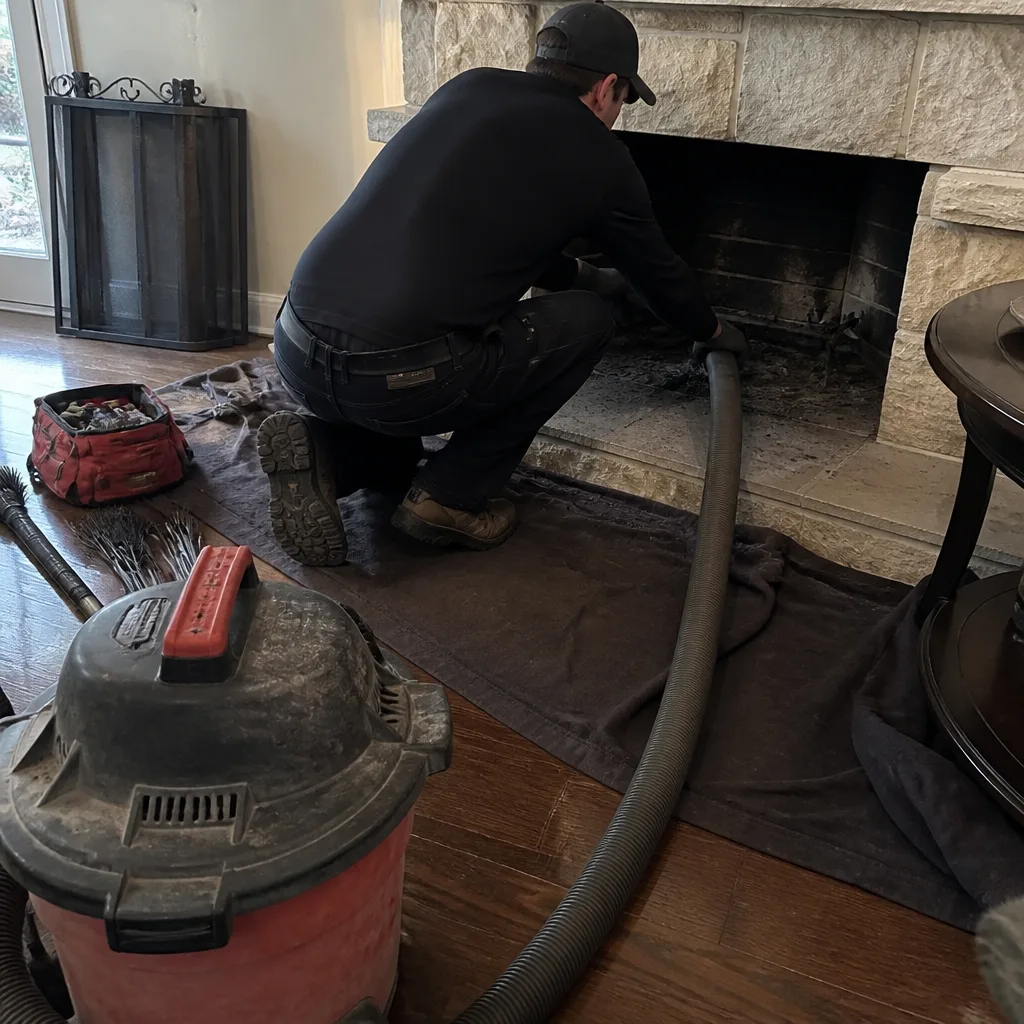 Before
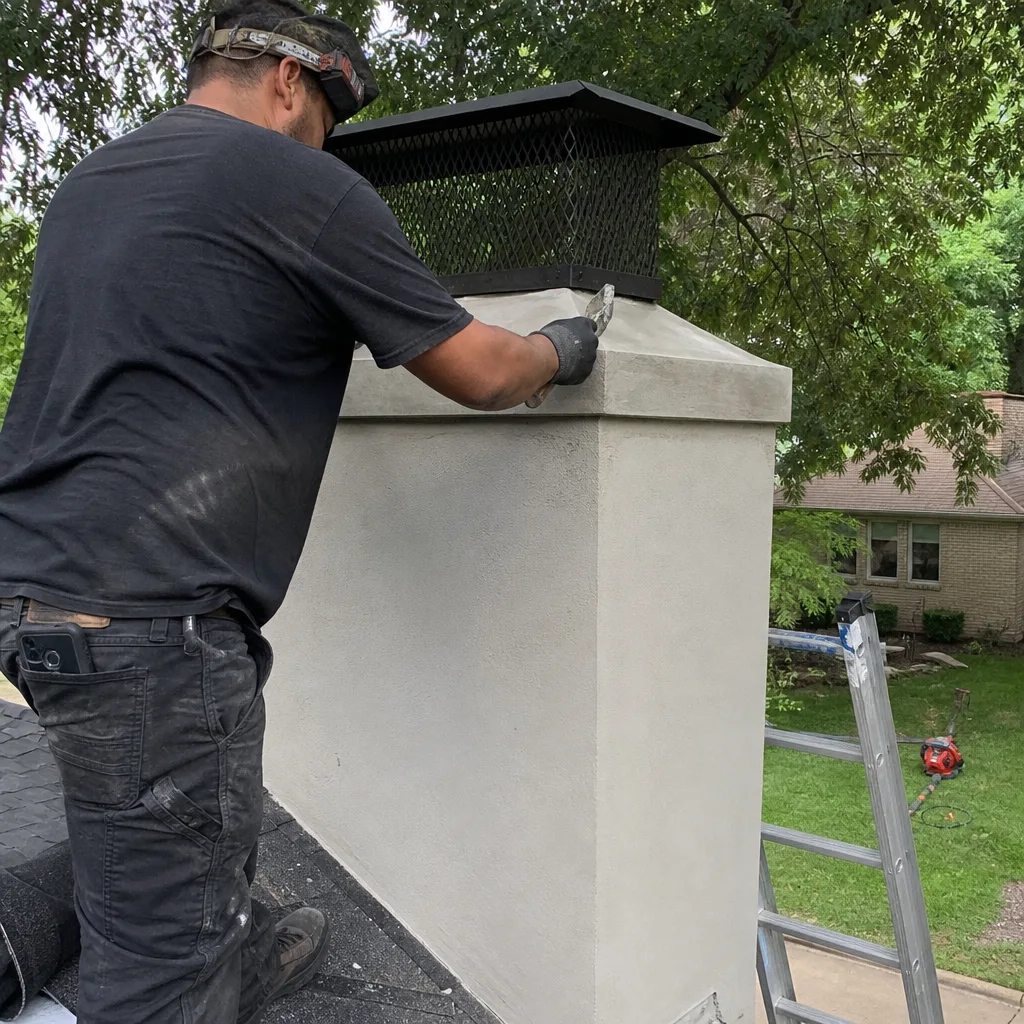 After
After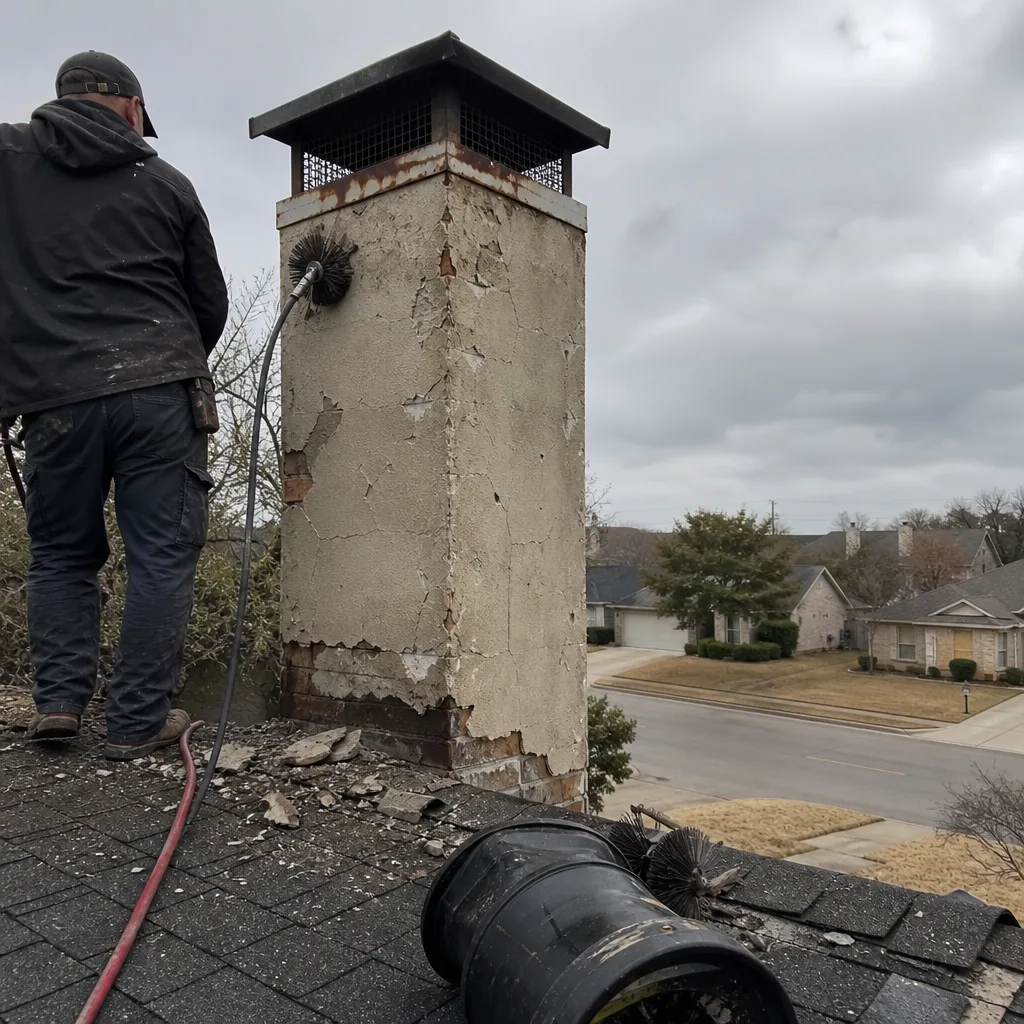 Before
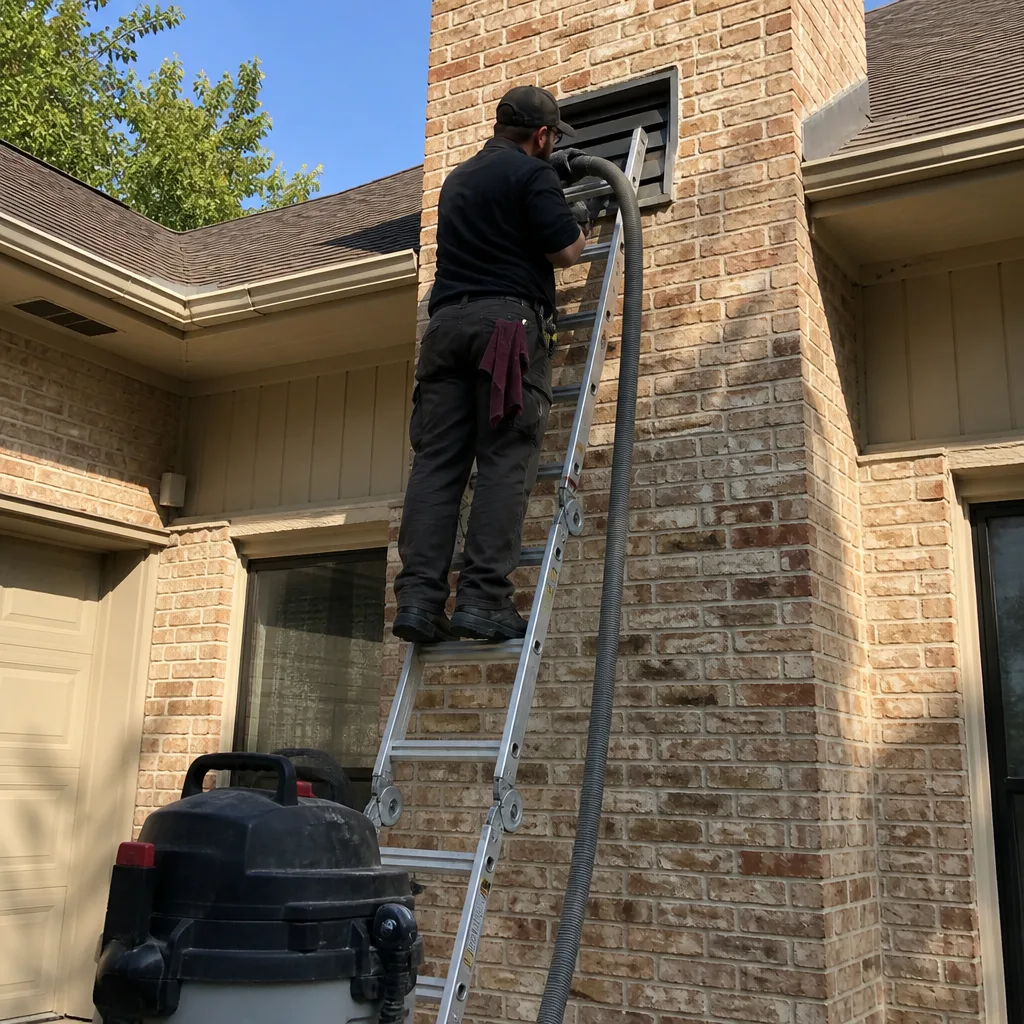 After
After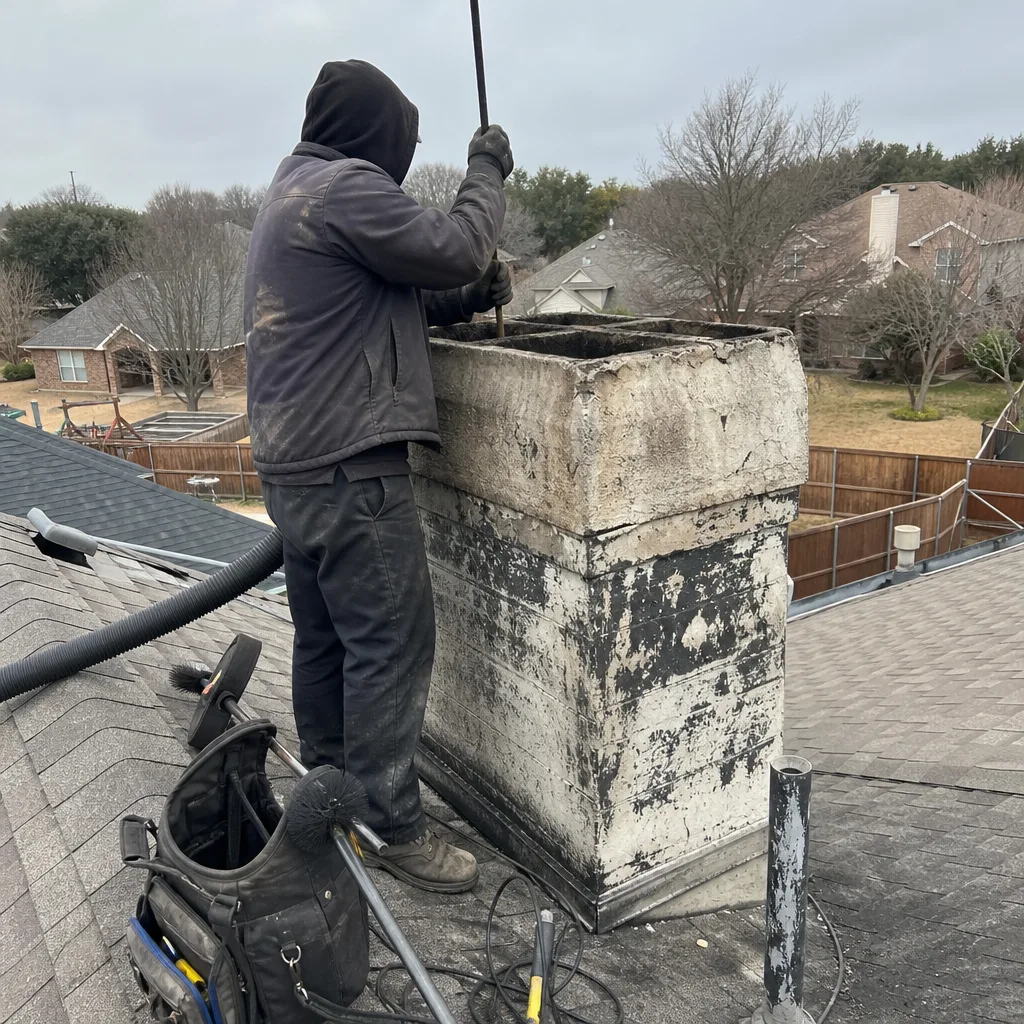 Before
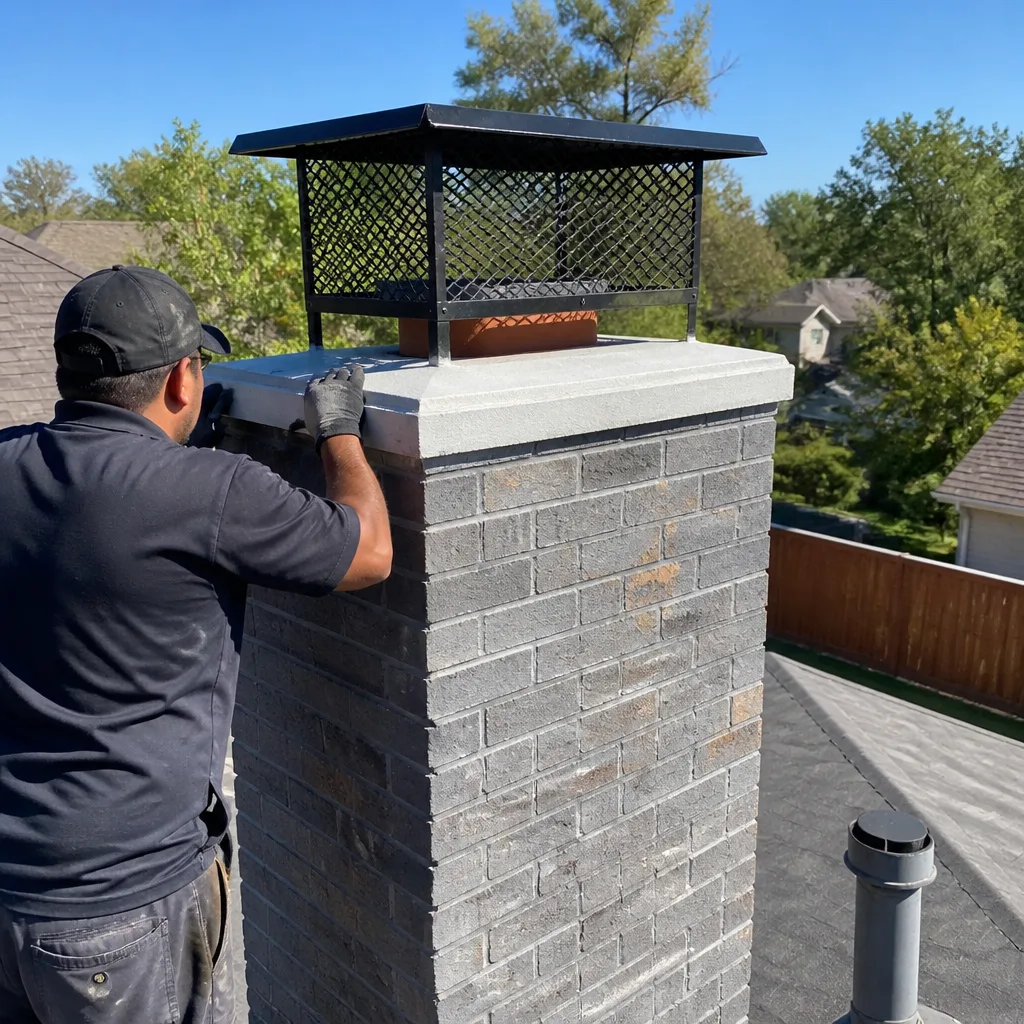 After
AfterReplacement Cost & What’s Included
Here’s the straight pricing for Dallas. A straightforward Famco gas-liner swap for a single appliance, short run, easy access, typically lands between $1,800 and $2,400. A taller chimney with a full reline and a new connector plate runs $2,500 to $3,400. The variables are chimney height, which drives labor and material length, complexity of access (steep roof, tight chase, attic work), and whether the old liner fights us on the way out. We write the price before we start, and it’s the same number when the job is done.
Every Famco liner replacement includes the new liner section or sections, proper connectors, support hardware where needed, a draft test after the swap, and a written guarantee on the repair. If the replacement fails inside the guarantee period, we come back and fix it at no charge. That’s the Kingswell Guarantee, and it’s not an add-on; it’s on every job sheet.
Tell you the price first, do the work right, put it in writing – that’s the whole job.
DIY or Call Us?
You can safely check a few things yourself: look for the rust flakes, check for visible gaps in exposed liner runs, and note whether the exhaust smell gets worse when the appliance runs. What you should not do is pull liner sections out of a functioning flue, attempt a patch with tape or sealant, or squeeze a mismatched connector onto a Famco liner. Flue gas is colorless and carbon monoxide doesn’t care how handy you are. A liner that isn’t continuous and properly connected inside the flue path can put CO into the living space, and you won’t know until a detector tells you or you feel sick. This is one repair where the risk is not just to the liner, but to the people breathing the air around it.
If you’ve found rust, cracks, or separation, call us at (361) 314-3193. We’ll examine the whole venting run, show you what we found, and quote the replacement before any work starts.
FAQs
A Famco aluminum liner in a Dallas home typically lasts 10 to 18 years, while the stainless versions can go 20 to 30 years with proper use. The Texas factor is humidity: condensation from our damp winters and hot attic spaces accelerates corrosion on the aluminum side more than the heating cycle itself does. Call (361) 314-3193 if your liner is past the 15-year mark and has never been inspected.
Small tears or a separated seam can sometimes be repaired with a proper connector, but once corrosion has thinned the liner wall or multiple sections are compromised, replacement is the honest fix. Patching a corroded liner buys months, not years, and puts off the same cost you’ll face anyway. We’ll show you the condition with a camera so you can see exactly what we’re recommending and why.
Most single-appliance Famco liner replacements take 2 to 4 hours on site, including setup, removal of the old liner, installation of the new one, and a draft test. Complex jobs with difficult roof access or extensive chase work can run a full day. We give you a real arrival window and a written time estimate when we quote the job.
Yes, we carry common Famco-compatible liner sections and connectors in the sizes we see most often in Dallas homes – 4-inch and 5-inch aluminum for gas appliances, and 6-inch stainless for inserts and gas logs. We also stock parts from DuraFlex, HeatShield, and Gelco, so if a better match for your setup exists, we’ll recommend it and explain why. Call (361) 314-3193 and we’ll confirm we have the right size before we schedule the visit.
Written by Nathan Corliss, Owner, Ashby Chimney Dallas at Ashby Chimney Dallas, serving Dallas and nearby areas.