
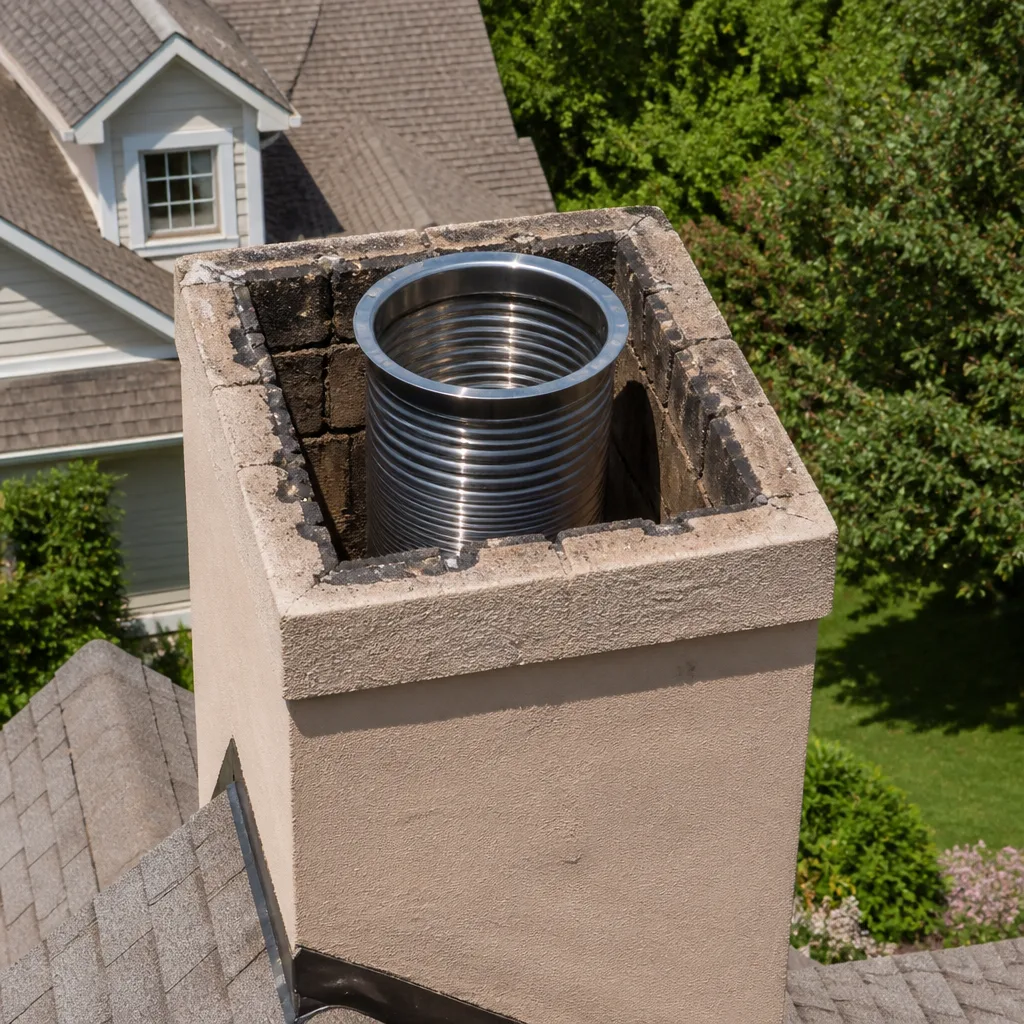
 Flue relining
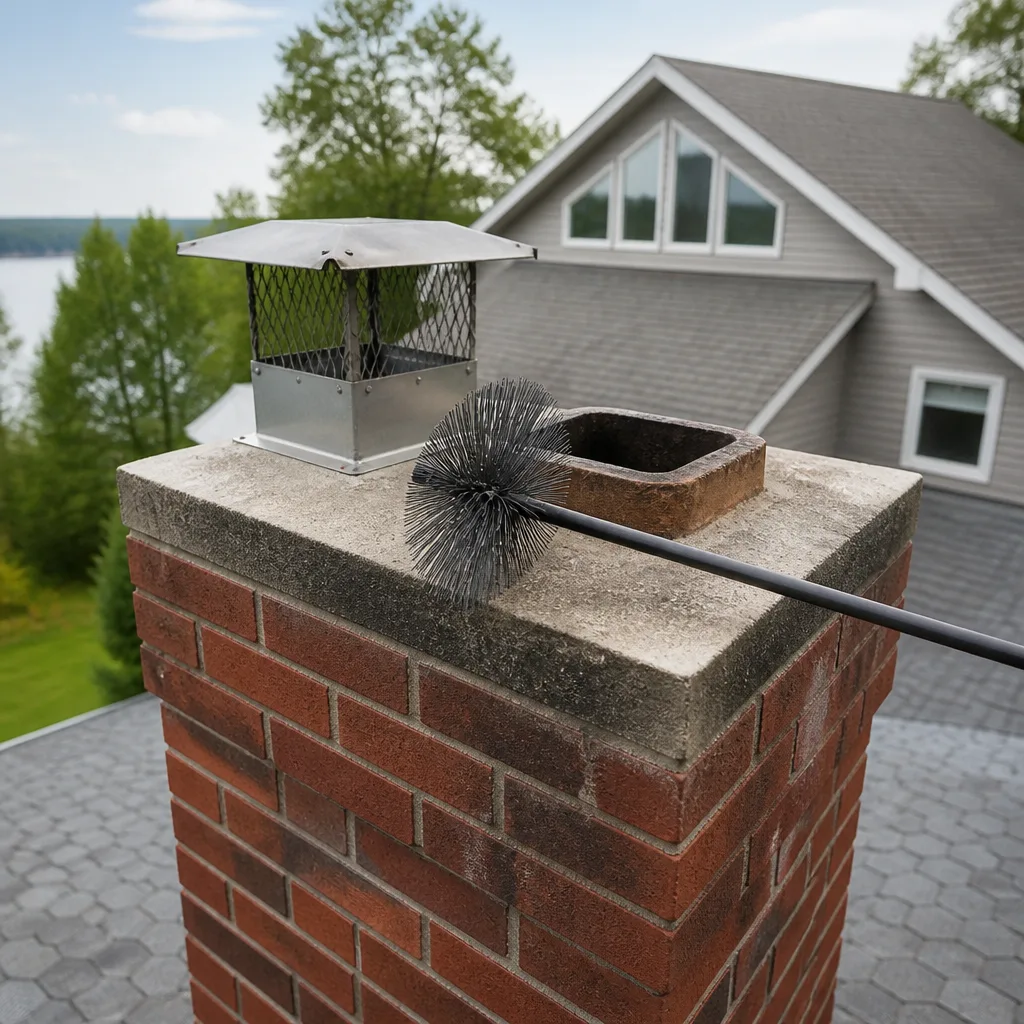 Sweep & inspection
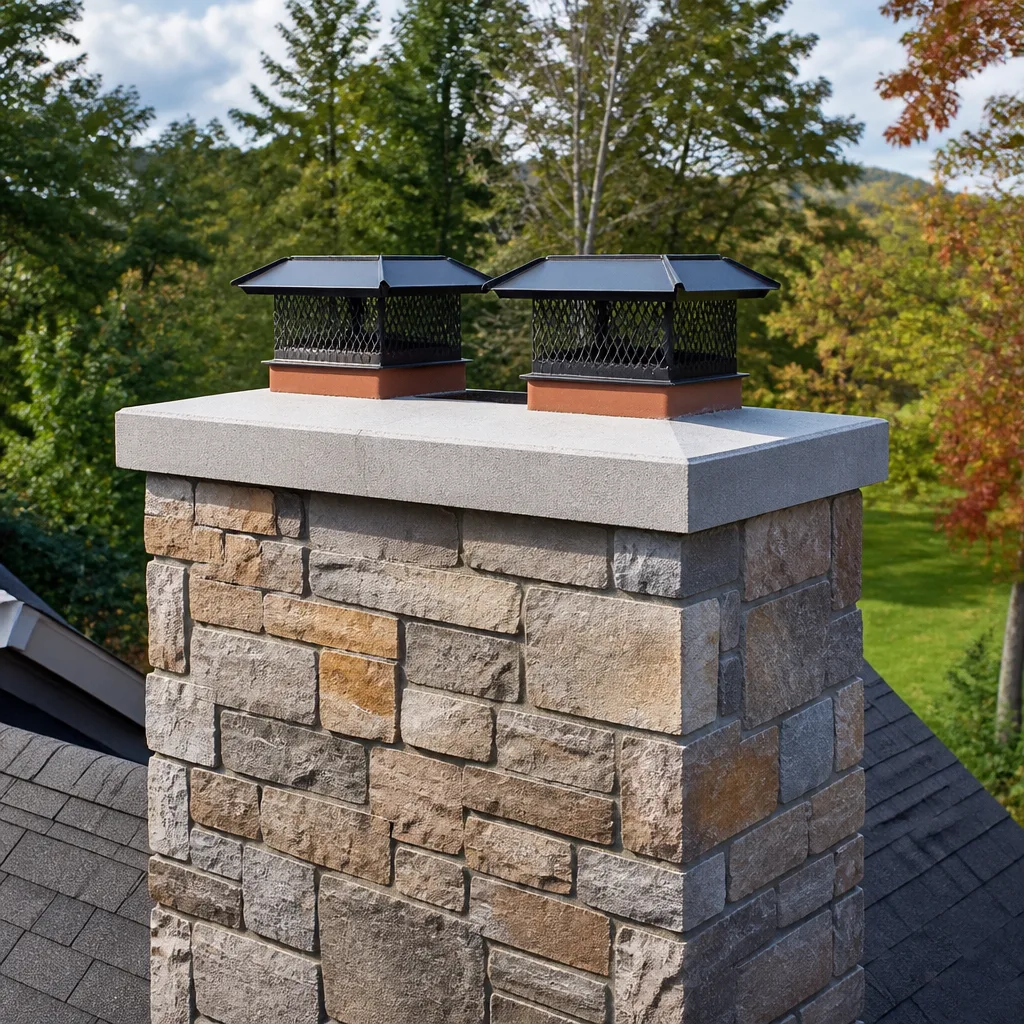 Caps & crowns
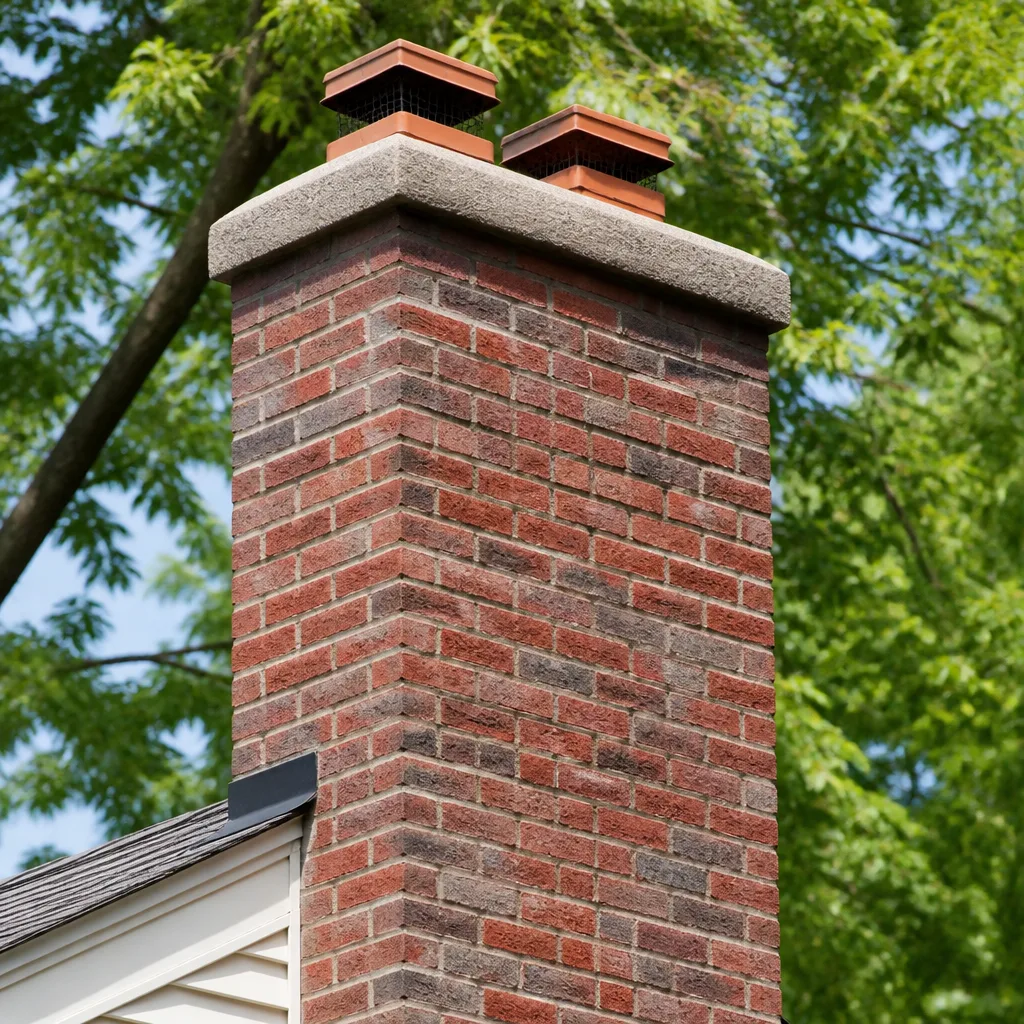 Masonry repair
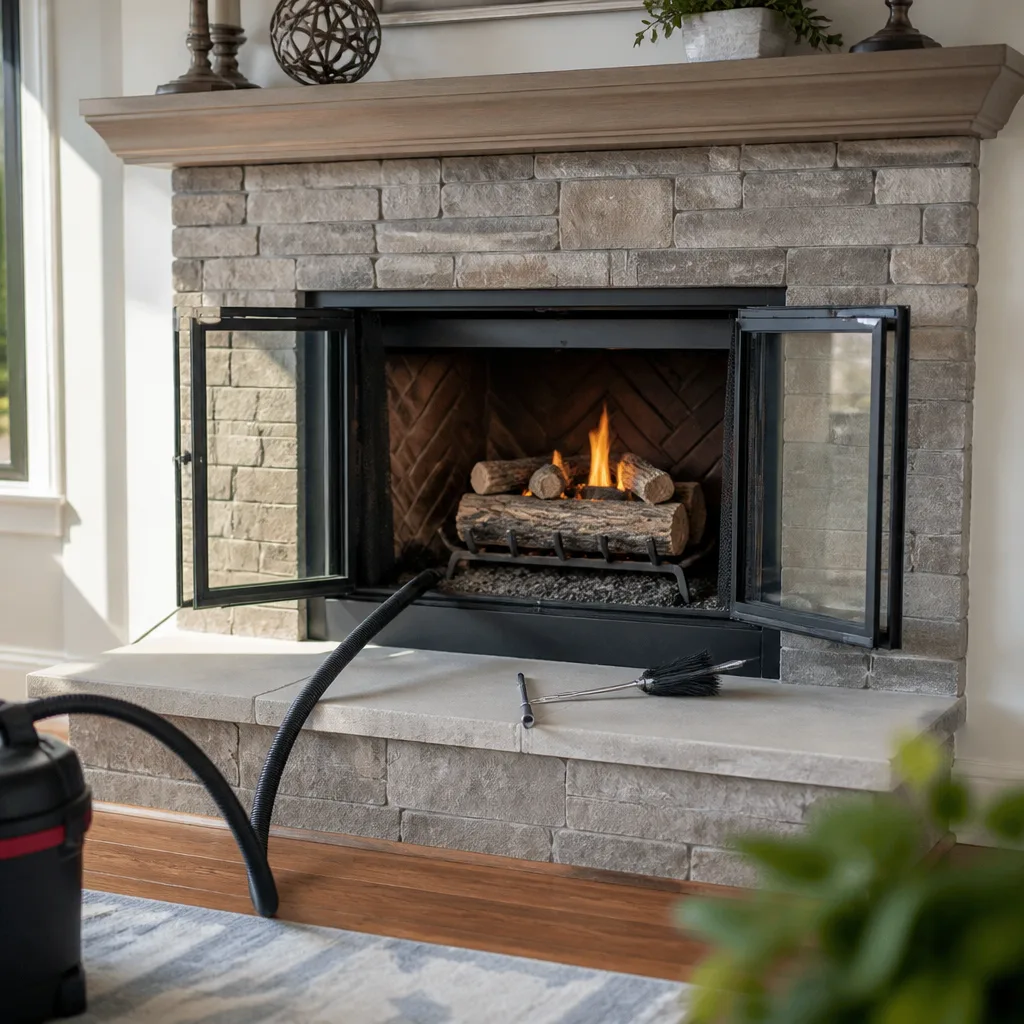 Gas fireplace service
Level 1 sweep and inspection to the NFPA 211 annual standard - flue, crown, cap, and flashing checked and photographed
Chimney sweep logs do not sweep chimneys. They loosen some creosote - which then falls where a brush and vacuum still have to collect it.
Gelco Flue Liner Replacement: The Dallas Owner’s Guide
Gelco flue liner replacement in Dallas typically runs between $2,200 and $4,800 installed, depending on the liner diameter, chimney height, and whether we’re dealing with a straight drop or a multi-offset flue. We stock Gelco-compatible stainless liners on our trucks and can usually complete the swap in one visit, usually four to six hours. Most Dallas homeowners discover the problem the hard way: a chimney inspection flags a cracked clay tile or a rusted-out steel liner, or they notice flaky debris collecting in the firebox that wasn’t there last season.
If you’re seeing that, the liner has already begun to fail. The question isn’t whether to replace it. It’s whether to do it now, before the next cold snap, or wait until the damage spreads into the surrounding masonry. Nathan Corliss has pulled enough deteriorated Gelco liners out of Dallas chimneys to tell you plainly: the liner is the one component you don’t stretch. It’s the tube that carries combustion gases out of your home, and when it fails, those gases don’t politely wait outside.
Which Gelco Models This Applies To
Gelco manufactures stainless steel flue liners in both rigid and flexible configurations, and their product line spans the common residential diameters: 4-inch through 8-inch for wood-burning fireplaces and stoves, with larger diameters up to 12 inches for open masonry fireplaces. The liner you need depends on two things: the inside diameter of your existing flue and the BTU output of the appliance venting through it.
Here’s the gotcha we see often in Dallas older homes, especially in Lakewood and the M Streets: the original clay tile flue is frequently oversized for the modern gas insert or wood stove now installed in the firebox. Homeowners assume they just need a same-size replacement for the Gelco liner that failed. But if the liner was incorrectly sized from the start, we’ll recommend the correct diameter, not just a like-for-like swap. An oversized liner cools the exhaust too quickly, which means more creosote condensation in wood systems, which means the new liner fails early for the same reason the old one did.
OEM Gelco liners are well made. Aftermarket equivalents from HeatShield and DuraFlex are equally reliable and often easier to match when the original Gelco label has corroded away. We stock both, plus the connectors, top plates, and rain caps that go with them. We’re an independent chimney service, not a Gelco distributor, so our recommendation is based on what fits your flue and holds up in Texas heat, not on what we’re obligated to sell.
Styles & brands we work with
Signs Your Gelco Flue Liner Replacement Is Failing
- Flaky rust or metal flakes in the firebox. This is the most common early sign. The stainless liner is corroding from the inside out, usually because condensation has been sitting against it during Dallas’s humid shoulder seasons. If you see this, the liner has started to separate.
- Visible cracks in the flue tiles during a flashlight check. Shine a light up from the firebox. If you see vertical or spiderweb cracks in the clay tiles above the damper area, the flue liner behind them has likely shifted or separated, and the system is no longer sealed.
- Smoke backing up into the room, even with the damper fully open. A failing liner restricts draft. When the liner collapses or buckles internally, exhaust gases lose their upward path and find the path of least resistance, which is your living room.
- A persistent damp or musty smell after rain. Water entering through a deteriorated liner and cap assembly soaks into the surrounding masonry. In Dallas, where we get heavy spring downpours followed by 100-degree days, that moisture cycles expand and contract, which accelerates liner failure.
- The liner is visible and pitted or buckled when viewed from the roof. If you can safely see the liner from the chimney top and the metal looks wavy, darkened, or pitted, it’s done. Stainless liners have a lifespan, and in North Texas, that lifespan is getting shorter with every weather cycle.
See the difference
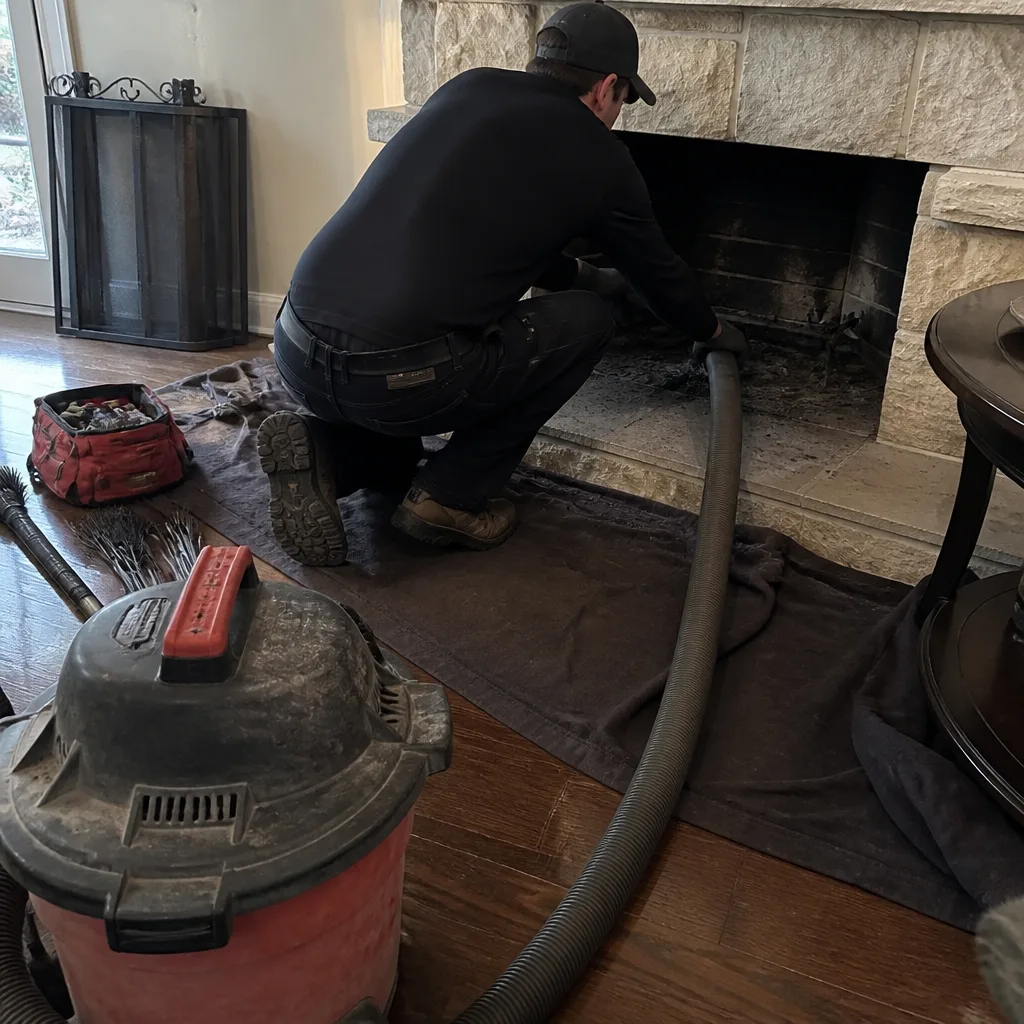 Before
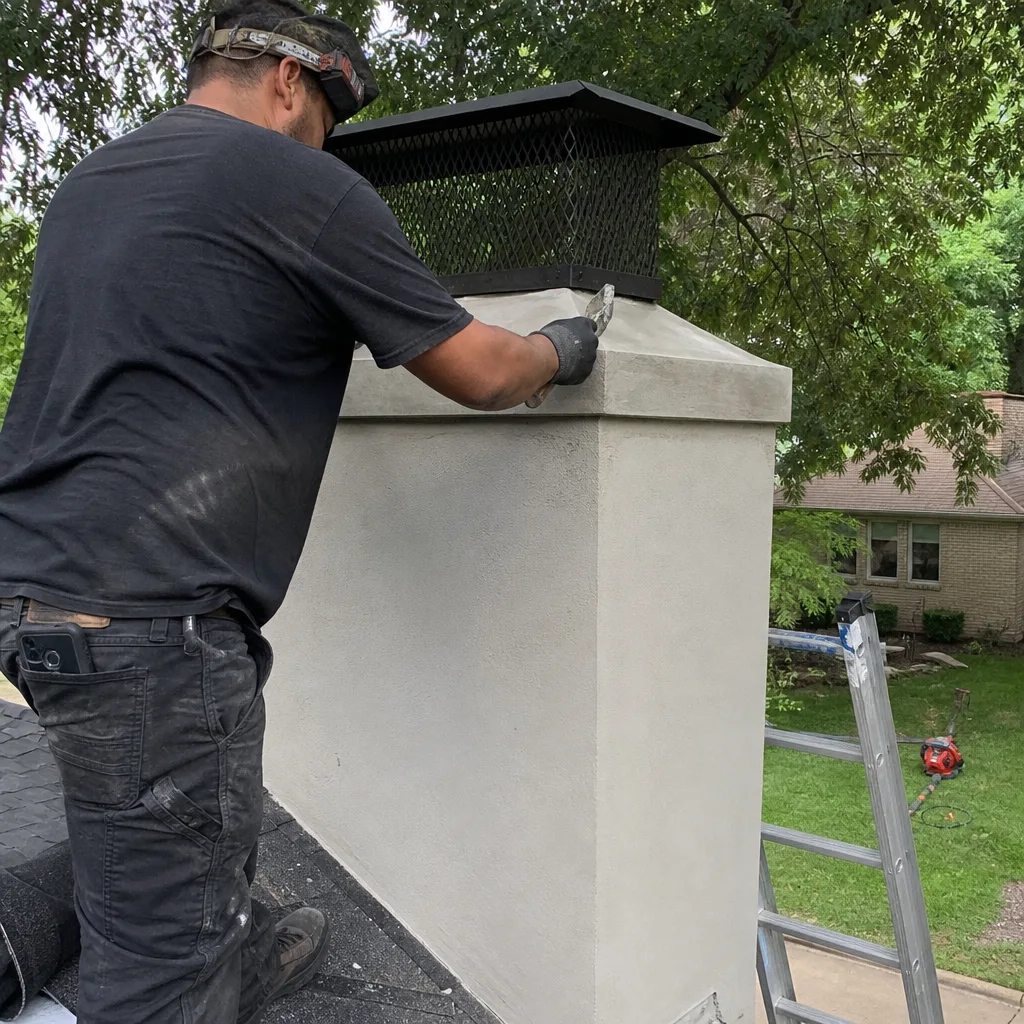 After
After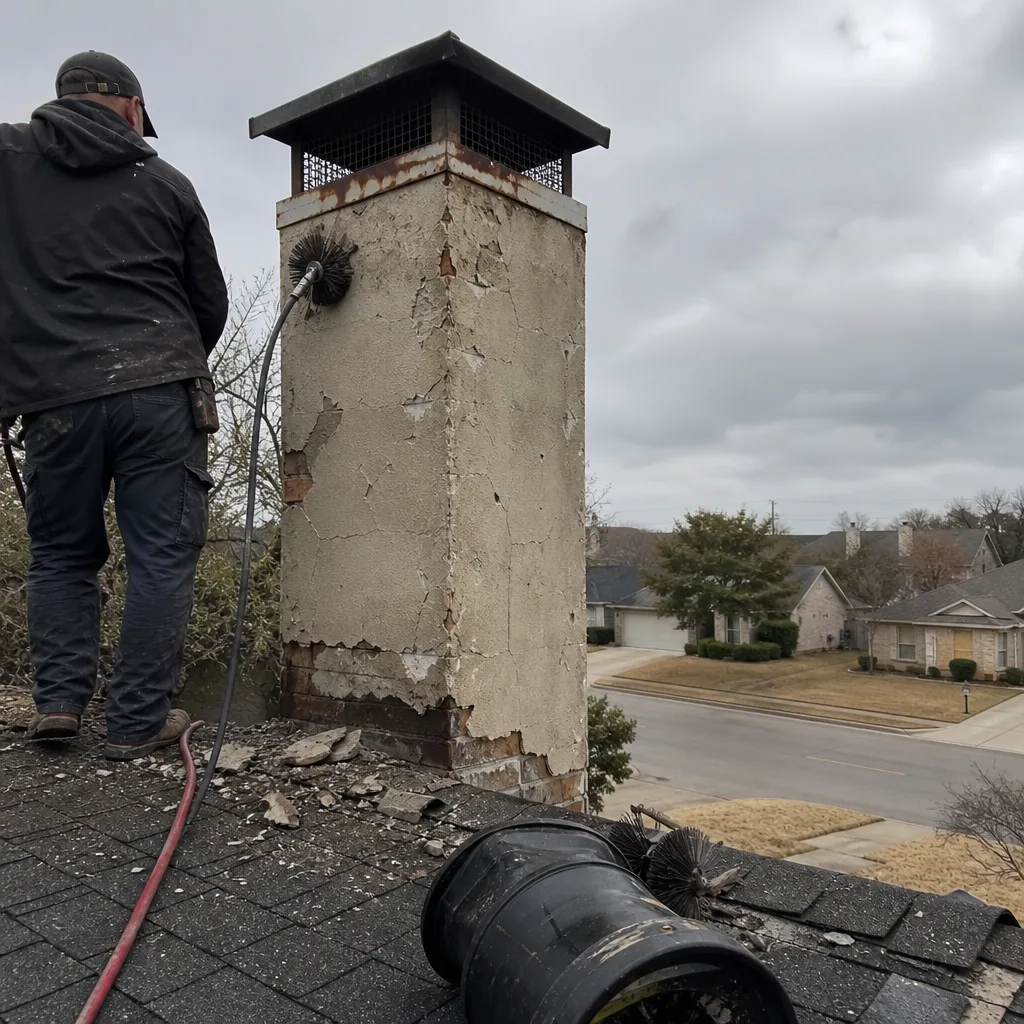 Before
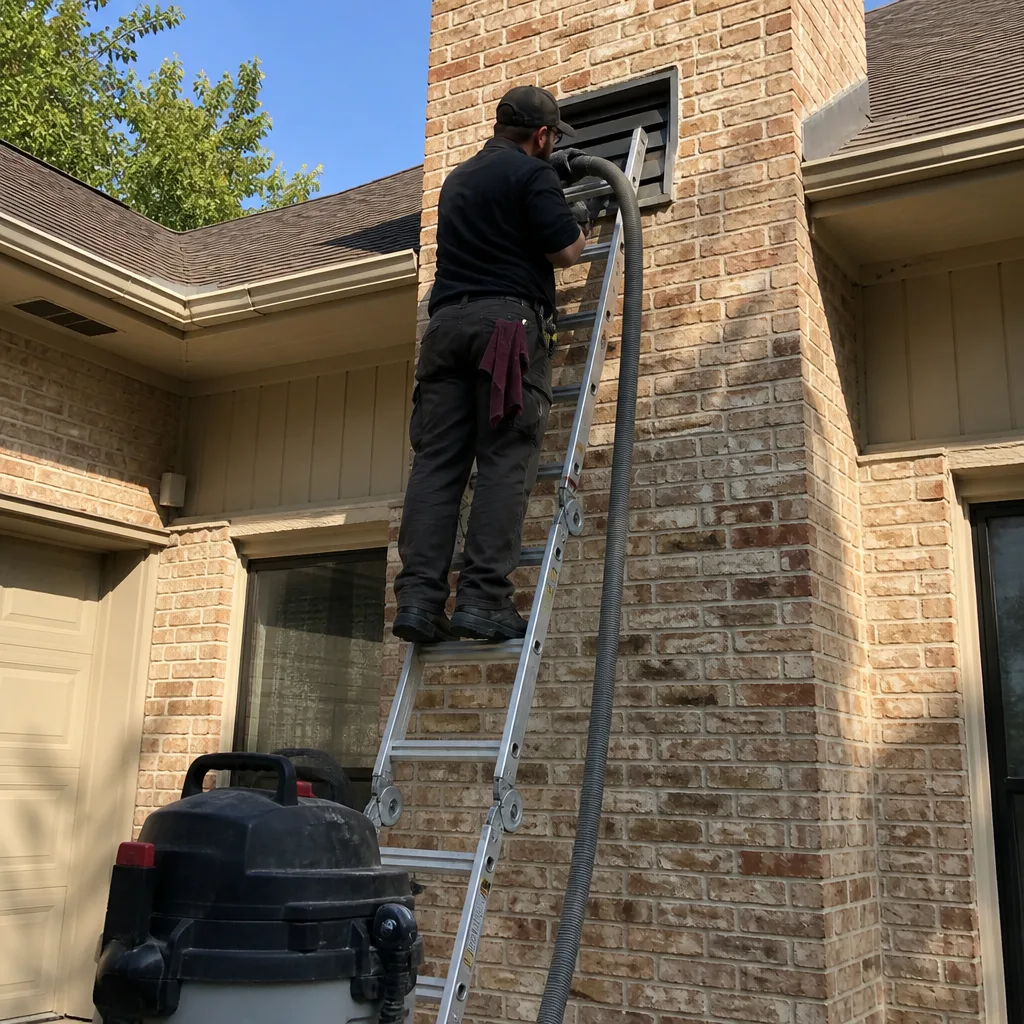 After
After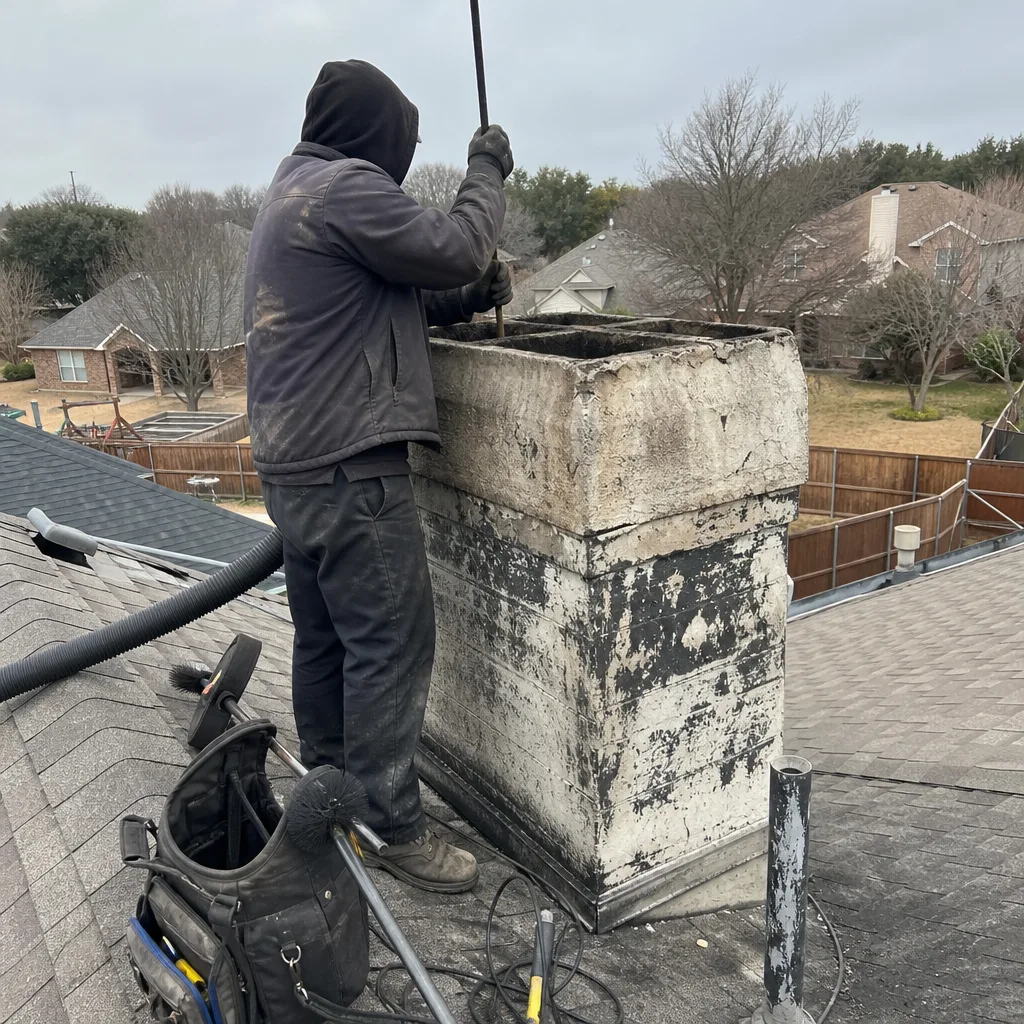 Before
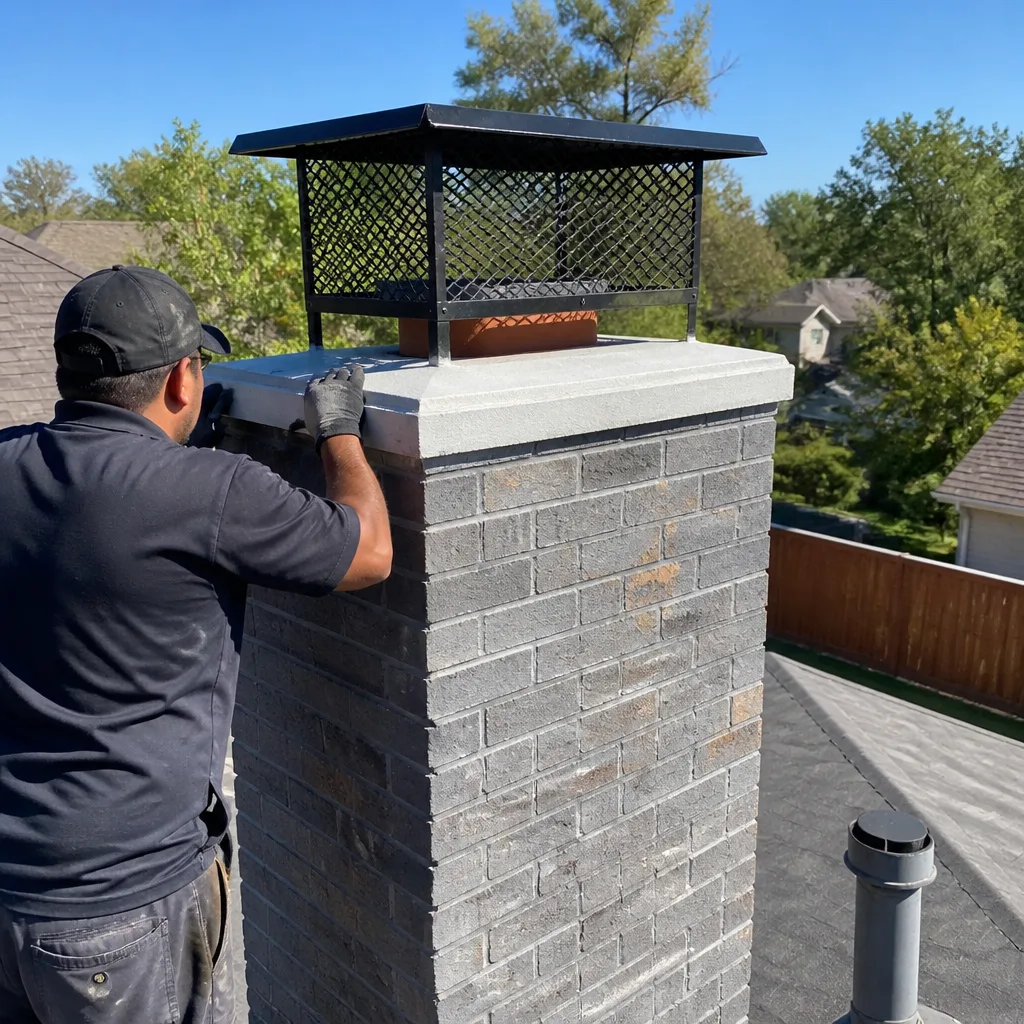 After
AfterReplacement Cost & What’s Included
Here’s the straight number, the way Nathan prefers to give it: most Gelco flue liner replacements in Dallas fall between $2,200 and $4,800 installed. A straight, single-story chimney with a 6-inch liner is going to land at the lower end. A two-story chimney with offsets, a deteriorated clay flue that needs breaking out first, or a custom top plate fabrication pushes toward the upper end.
What you’re paying for: the liner itself, the top plate, the rain cap, any connector adapters, removal of the old liner if one exists, and the labor to drop and secure the new one. We give you a written price before any work starts. The number on the invoice matches the number we quoted at the door. Every Gelco liner swap we install comes with our written guarantee, and if it fails inside the guarantee period, we return and fix it at no charge. That’s the 365-Day Done Right Promise, and it’s not an add-on. It’s the way we’ve done business since 2002.
DIY or Call Us?
You can safely do the inspection: shine a flashlight up the flue, look for rust flakes, check the firebox for debris, and look at the exterior masonry for cracks. That tells you whether you need us. What you shouldn’t do is attempt the liner removal or installation yourself. A flue liner runs through the center of your chimney and terminates above the roofline. Getting it in and sealed correctly means working on the roof, handling stainless sections that have sharp edges, and ensuring the liner is properly insulated and tensioned. If the liner is misaligned or the connections aren’t sealed, you’ve created a path for carbon monoxide into the house. That’s the worst-case scenario, and it’s not rare on DIY liner jobs.
Let us do the risky part. Call (361) 314-3193 and we’ll come out, confirm the failure, measure the flue, and hand you a written price before any work begins.
FAQs
A properly sized and installed Gelco stainless liner in the Dallas climate typically lasts 15 to 25 years, though Dallas’s hot, humid summers and occasional freeze-thaw winter cycles tend to shorten that compared to drier climates. If the liner burns wood exclusively and the chimney is swept annually, you’ll get the longer end of that range. Gas-only systems see less creosote but more condensation, which can corrode the liner from the inside. If you’re at the 15-year mark and noticing rust flakes, it’s time to have us look. Call (361) 314-3193 for an inspection and exact replacement quote.
Small gaps and cracks at the joints can often be sealed, but once the stainless itself is pitted, buckled, or separated, patching won’t hold. We’ll always show you the camera footage or photos before recommending replacement. Nothing gets replaced on a maybe. If we tell you it needs replacing, you’ll see why with your own eyes.
Most single-flue Gelco liner replacements take four to six hours from setup to cleanup. That includes removing the old liner, prepping the flue, dropping the new liner, securing the top plate and rain cap, and sealing the connections. Taller chimneys or jobs requiring clay tile breakout can push it to a full day.
We stock Gelco-compatible stainless liners in the most common Dallas residential diameters, 6-inch and 8-inch, on our trucks. For less common sizes or custom configurations, we source from Gelco, DuraFlex, or HeatShield and typically have the part within a few days. Either way, you’ll know the price and the timeline before we start.
Written by Nathan Corliss, Owner, Ashby Chimney Dallas at Ashby Chimney Dallas, serving Dallas and nearby areas.