
Last updated October 15, 2026
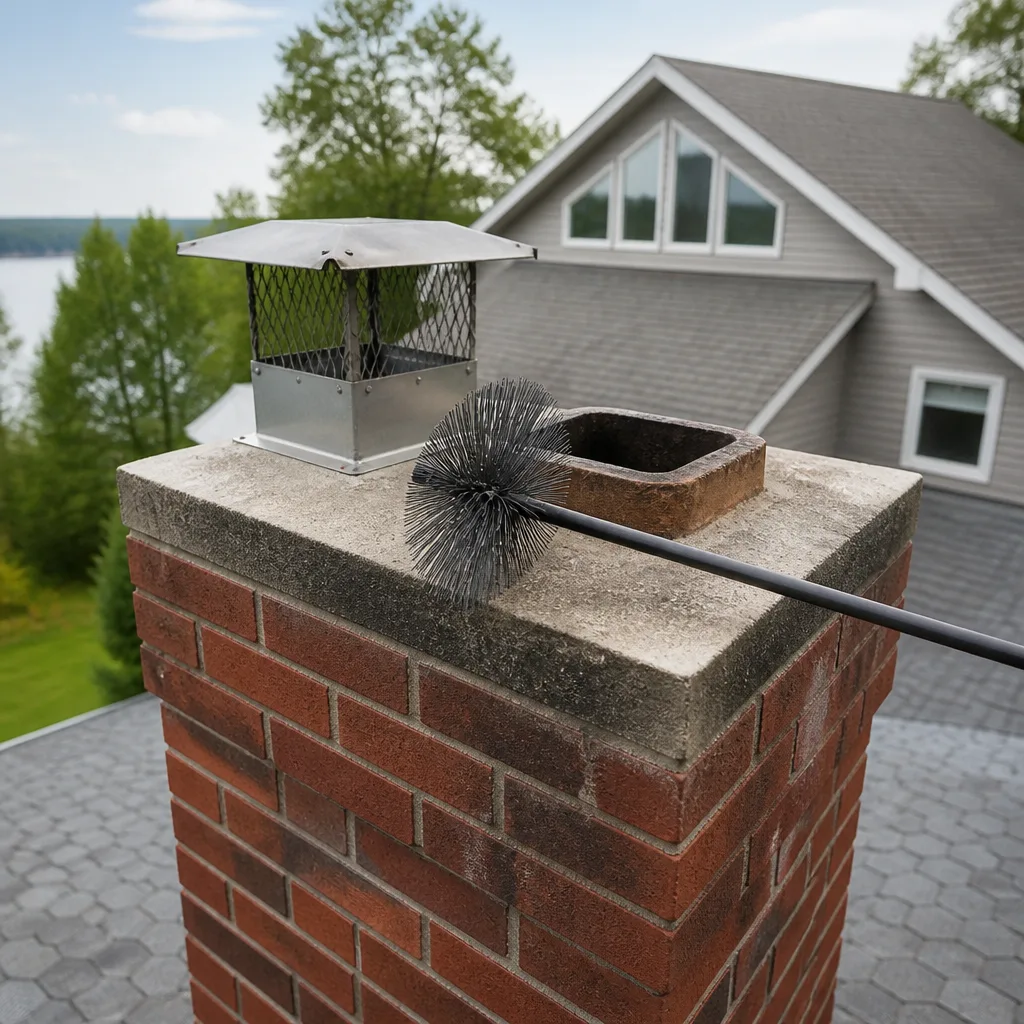 Sweep & inspection
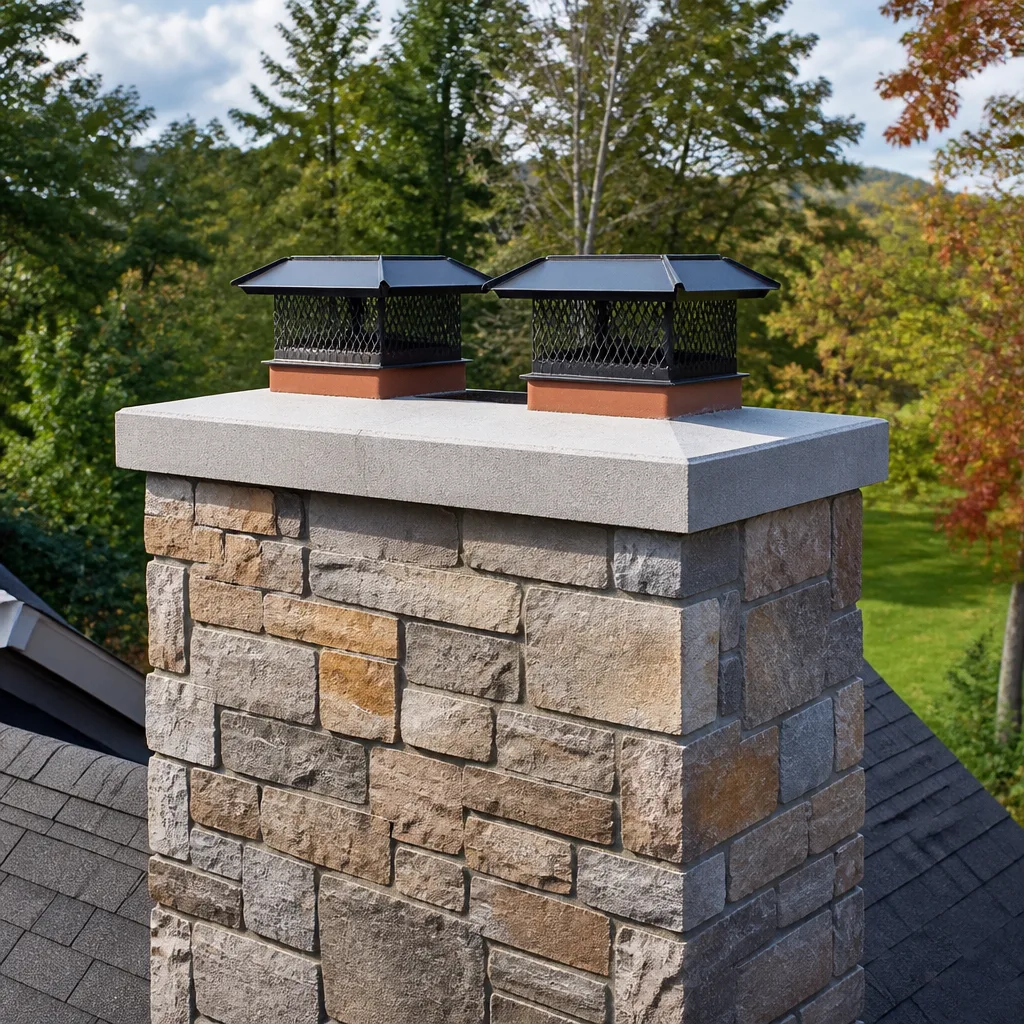 Caps & crowns
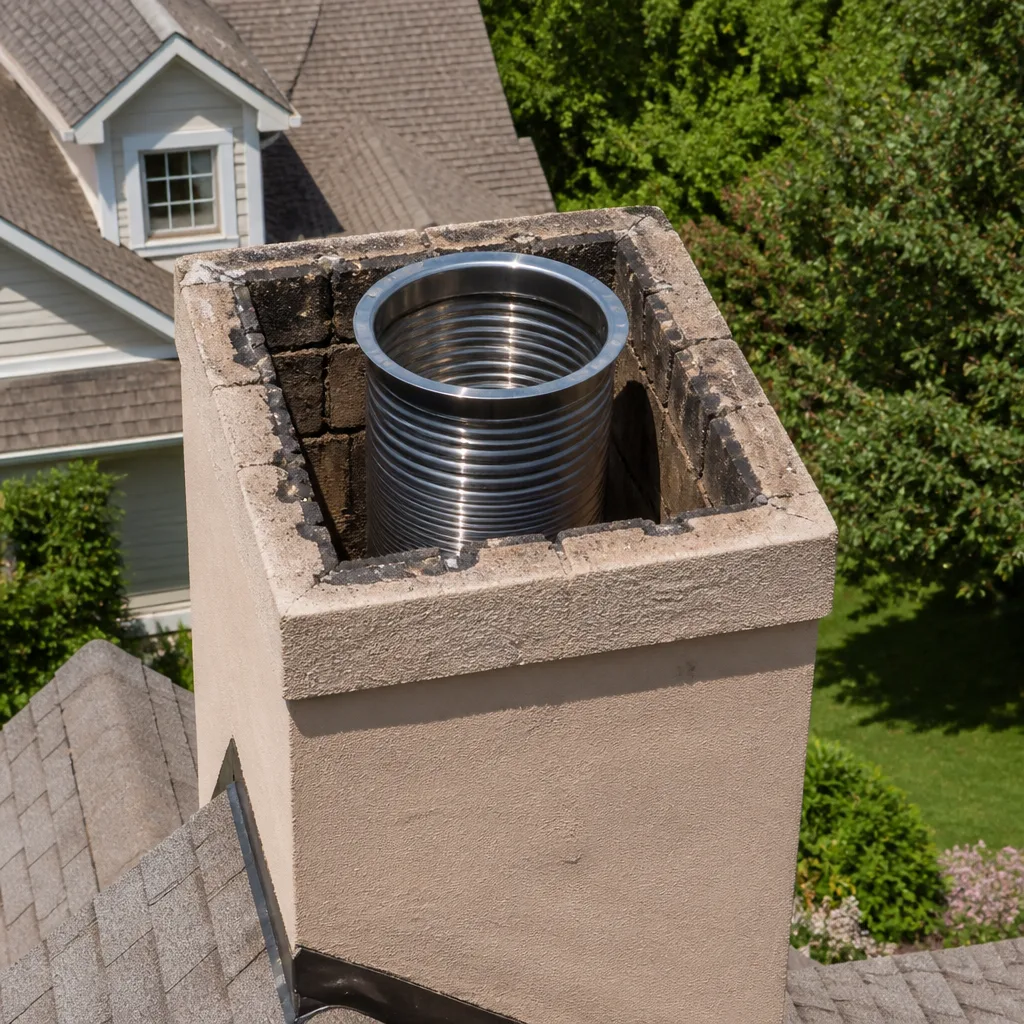 Flue relining
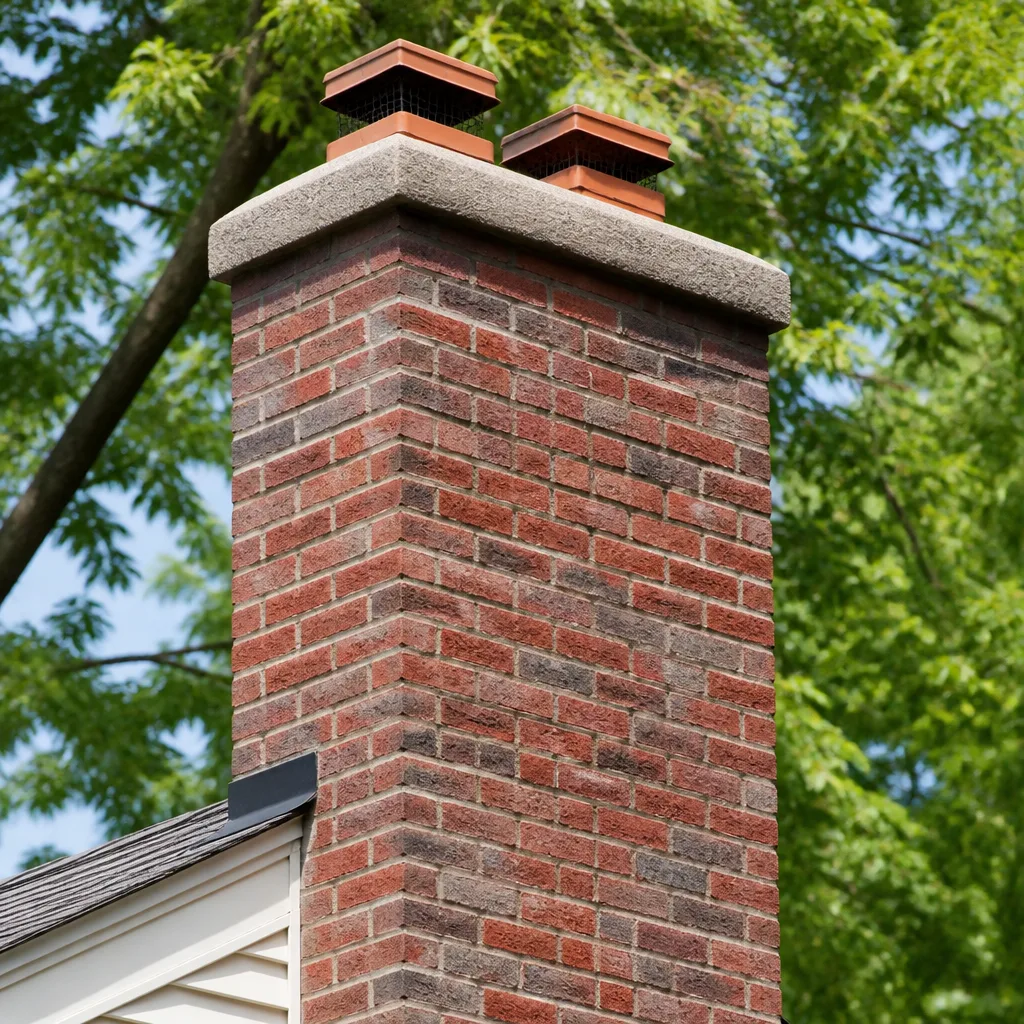 Masonry repair
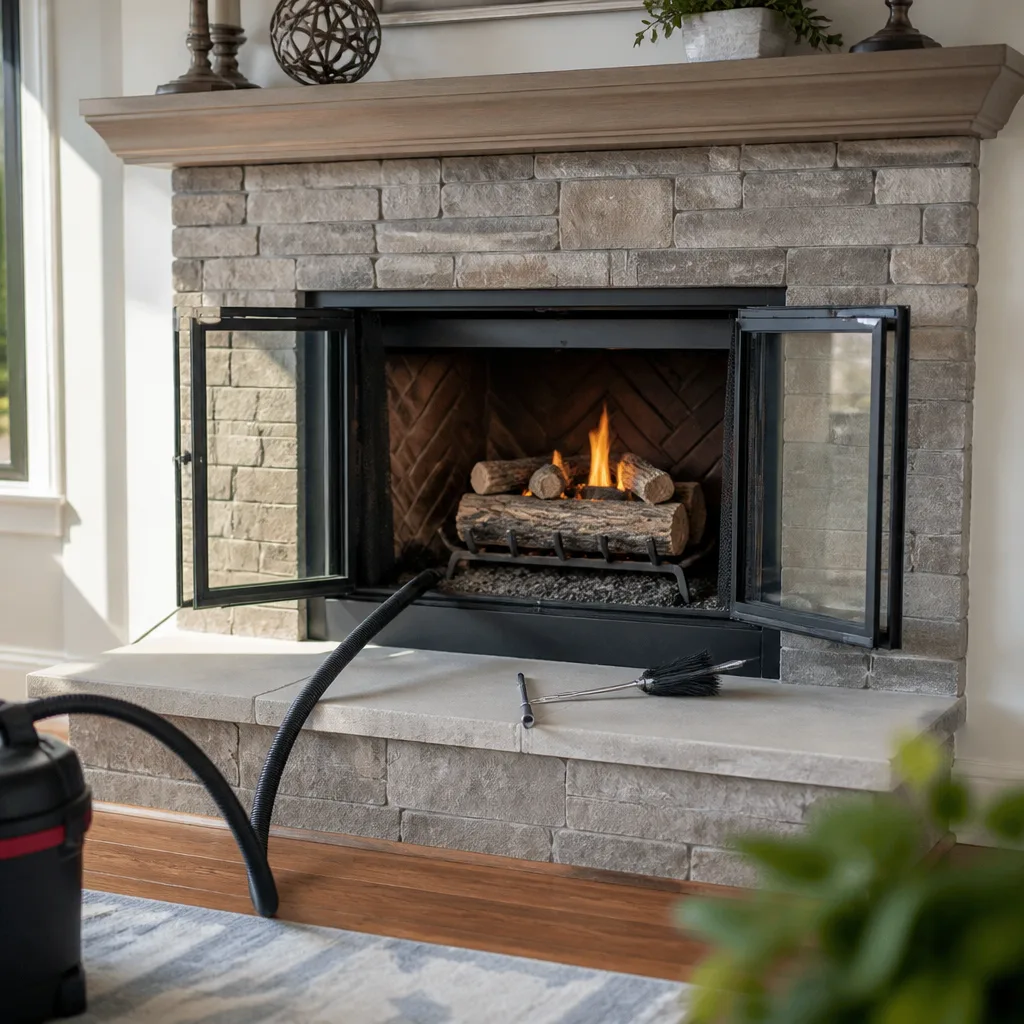 Gas fireplace service
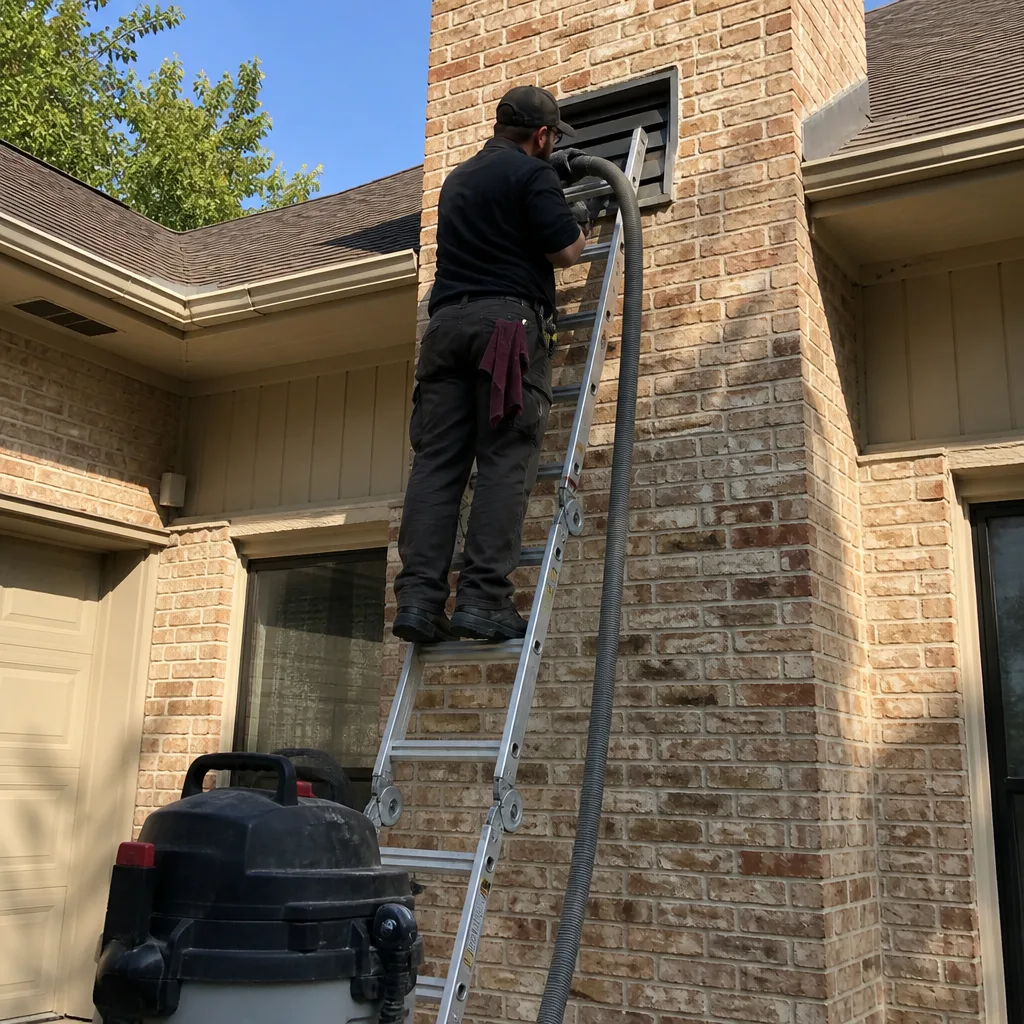
Level 1 sweep and inspection to the NFPA 211 annual standard - flue, crown, cap, and flashing checked and photographed
Chimney sweep logs do not sweep chimneys. They loosen some creosote - which then falls where a brush and vacuum still have to collect it.
Seasonal Chimney Cleaning Care for Dallas: Year-Round Homeowner’s Guide
June through August is when Dallas chimneys take their worst thermal beating, and almost no homeowner is thinking about them. That stretch of 100-degree days doesn’t just heat your attic. It bakes your chimney’s mortar joints until they expand, then the overnight cool-down contracts them again. Repeat that cycle 90 times over one Texas summer and you get hairline cracks that quietly let water in all autumn. By the time you light your first fire in November, the damage is already done. This guide walks you through what’s actually happening to your chimney in each Dallas season, when to act, what it costs, and which months give you the best combination of availability and price.
Quick Answer
The short version: your Dallas chimney needs attention in all four seasons, not just winter. Summer heat degrades mortar through thermal expansion, fall is the ideal window for a sweep and inspection before burning season, winter requires monthly creosote awareness and safe-burning habits, and spring is for storm damage assessment after North Texas hail and wind. A professional sweep once per year in September or October, plus a quick ground-level visual check each season, prevents most expensive repairs. For Chimney Cleaning Permits, Codes & Inspections in TX: What You Need to Know, check our compliance guide.
Styles & brands we work with
Table of Contents
- Summer (June – August): The Season Nobody Watches
- Fall (September – October): The Pre-Season Window
- Winter (November – February): Dallas’s Short Burning Season
- Spring (March – May): Post-Season and Storm Assessment
- The Month-by-Month Action List
- Common Mistakes to Avoid
- When to Call a Professional
- Frequently Asked Questions
Summer (June – August): The Season Nobody Watches
Most Dallas homeowners think summer is when a chimney does nothing. It sits there. What could go wrong? Plenty, and the physics is straightforward. Brick and mortar expand when heated. In Dallas, surface temperatures on a south-facing chimney can hit 140°F to 160°F on an August afternoon. At night, temperatures drop into the 80s. That’s a 60 to 80 degree swing every 24 hours for three straight months.
Mortar is the weak point. Older Dallas homes, especially in neighborhoods like Lakewood, East Dallas, and the M Streets, often have chimneys built with lime mortar rather than modern Portland cement blends. Lime mortar was designed to flex slightly. Over decades of thermal cycling, it loses that flexibility. The result: hairline cracks at the mortar joints, which then widen with each additional summer. Once a crack opens to about 1/16 of an inch, rain can penetrate, and in Dallas we do get rain, sometimes in violent bursts.
What to Watch For From the Ground
- White staining on the brick face: This is efflorescence, mineral salts left behind when water evaporates from the masonry. It means water is getting in and moving through the brick. In Dallas, this shows up most often on the south and west faces after a wet spring followed by a hot June.
- Flaking or spalling brick: If you see brick faces popping off in thin layers, water has saturated the brick and summer heat is causing it to expand and shed its surface. This is more common in Dallas than people realize, because our freeze-thaw cycle is mild, but our wet-to-dry cycle is aggressive.
- Gaps at the roofline flashing: From the ground, you can usually see where the chimney meets the roof. If the metal flashing has pulled away from the brick, or if you see caulk that’s cracked and peeling, that’s an entry point for everything that falls.
- Rust streaks running down from the crown: The crown is the concrete cap on top of the chimney. If the metal flue cap or the internal rebar is rusting, water is sitting up there or seeping through cracks you can see from below.
We’ve inspected hundreds of Dallas chimneys over the years, and the pattern is consistent: the south-facing side of the chimney deteriorates faster than the north. If your chimney has one side that looks older than the others, you’re seeing thermal cycling in action. A homeowner can spot the early signs from the ground with a pair of binoculars. You don’t need to climb anything. If you see any of the four indicators above, book a Chimney Inspection in Dallas before the next rain event.
Why You Should Care in June, Not November
The repairs that summer heat creates are cheap to fix early and expensive to fix late. A cracked crown seal might cost a few hundred dollars to reseal in July. Let it sit through fall rains and a winter freeze, and you could be looking at crown rebuild, interior water damage, and a liner that needs evaluation. In Dallas’s climate, one unnoticed summer crack can turn into a $1,500 problem by December.
Nathan Corliss puts it this way: the chimney doesn’t rest in the summer. It works, just differently. Heat work, not fire work. If you only think about your chimney when you light a fire, you’re reacting to problems instead of preventing them.
Fall (September – October): The Pre-Season Window
September and October are the sweet spot for chimney care in Dallas. Two things line up: the weather is comfortable enough that a sweep’s work doesn’t turn into a heat-stroke risk, and the schedule hasn’t filled with every homeowner in the metroplex calling about their first fire. Our busiest month for Chimney Sweep in Dallas bookings is November. By then, the calendar is full and we’re doing triage. In September, we can take time with each appointment.
There’s another reason fall is the right time: it’s before you use the fireplace, not after. A sweep removes the creosote and debris that accumulated last season and over the summer. If animal nests, leaves, or roofing debris found their way in during the off-season, you want that out before your first burn. Burning with an obstructed flue is a carbon monoxide risk, and it’s the single most preventable cause of chimney fires.
What a Fall Sweep and Inspection Should Include
- Full flue inspection from the firebox to the crown, checking for creosote buildup, debris, cracks, and obstructions. A camera inspection should be part of this or offered as an option. If a company wants to tell you about damage inside your flue without showing you pictures, that’s a red flag.
- Creosote removal appropriate for the buildup level. Even light-burning Dallas homes see creosote accumulate over the summer as humidity interacts with any residue left from last winter’s fires.
- Smoke chamber and damper check. The damper should open, close, and seat properly. A damper that doesn’t close all the way lets air-conditioned air escape all summer and lets drafts in all winter.
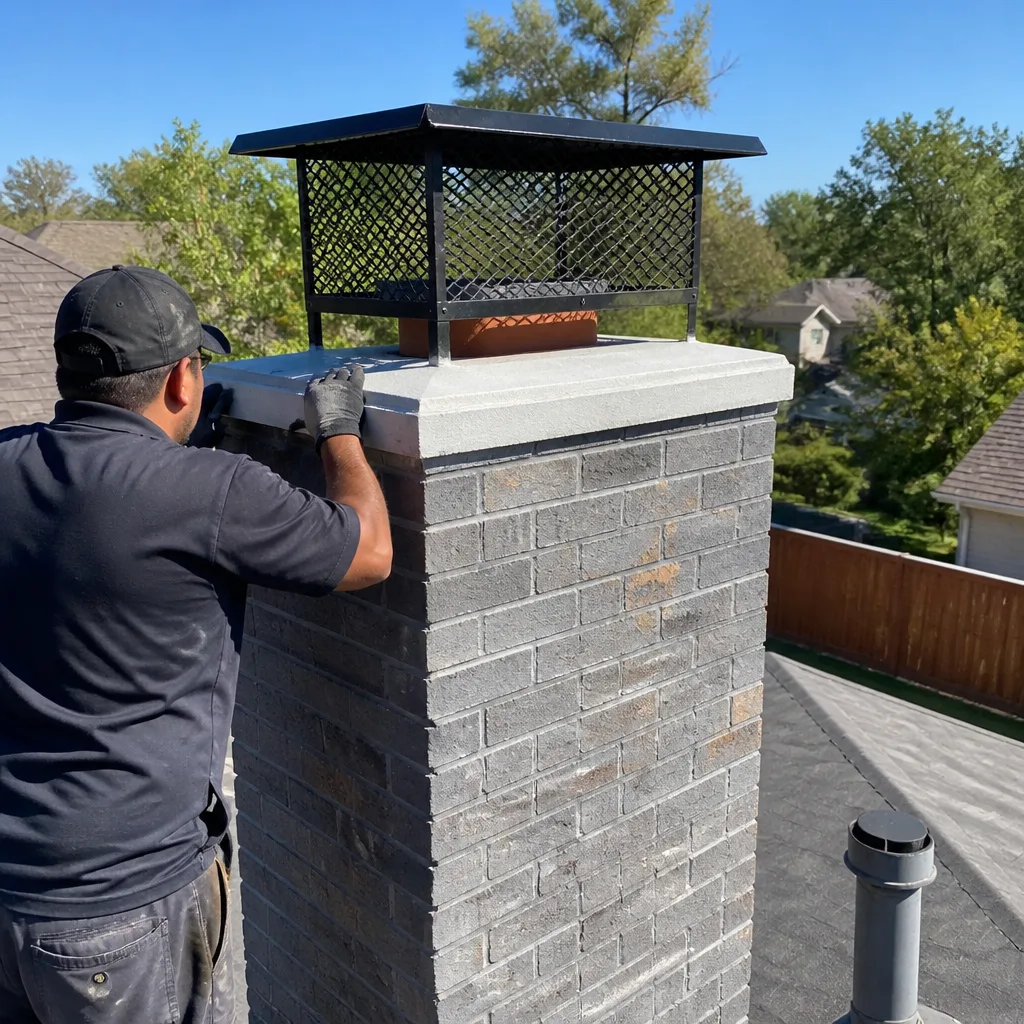
- Crown and cap assessment. The crown should be crack-free and the cap should be securely in place with a spark arrestor that’s free of rust and debris.
- Flashing inspection at the roofline, with the roofer’s eyes, because water entering around the flashing shows up inside the home long after it starts.
On pricing: in the Dallas market, a standard chimney sweep and inspection runs between $180 and $340, depending on flue height, buildup severity, and access. If a company quotes $79, they’re selling you something else. If they quote $800 for a standard sweep on a single-story home, they’re overselling. Ask for a written price before anyone touches the chimney, and make sure that written price includes everything: sweep, inspection, cap check, and no hidden trip charges. That’s how we operate at Ashby Chimney Dallas home. The number on the invoice matches the number we quoted at the door.
September vs. October: Is There a Difference?
For pricing, not really. For scheduling, absolutely. September appointments are easier to get. October fills quickly as the first cool front rolls through and people remember they own a fireplace. If you want your pick of days and times, book in September. If you wait until the first week of November, expect to wait two to three weeks for an open slot, and expect less flexibility on time-of-day.
Dallas weather also makes October the most comfortable month for a sweep to spend three hours on your roof. Once we’re into November, shorter daylight hours compress the workday. It’s a small thing, but it means September and early October appointments tend to move at a relaxed, thorough pace.
Winter (November – February): Dallas’s Short Burning Season
Dallas winters are brief but real. From November through February, homeowners in neighborhoods from Preston Hollow to North Oak Cliff and the Park Cities light fires on the coldest nights. The rest of the time, the fireplace sits cold. That usage pattern, long idle stretches punctuated by a few serious burns, creates a specific creosote profile that’s different from a cold-climate chimney used daily from October to March.
Here’s the counterintuitive part: low-frequency burning does not mean low risk. When you burn a fire only on the coldest nights, you’re burning from a cold start every time. The flue is cold. The wood is cold. The burn is less efficient, which means more smoke and more creosote deposited per fire than a stove running hot and steady. A Dallas homeowner who burns 10 to 15 fires per season can accumulate significant creosote in certain spots of the flue, particularly the upper third where the smoke cools and condenses.
Creosote Basics for Dallas Burners
Creosote forms when wood smoke cools and condenses on the flue walls. It comes in three stages. Stage one is a light, flaky soot that brushes off easily. Stage two is a tar-like, granular deposit that sticks. Stage three is a hardened, glossy glaze that’s difficult to remove and is highly combustible. Most Dallas homes with occasional burning will show stage one to early stage two creosote after a full season. That’s normal and manageable with an annual sweep. But if you burn softwoods like pine, if your wood isn’t fully seasoned, or if your flue has restricted airflow, you can push into stage two or three territory faster than you’d expect.
The safest approach: burn only seasoned hardwood, oak, hickory, or pecan if you can get it. Dallas is a pecan-smoke town, and pecan burns hot and clean when properly dried. Avoid burning pine, which is resinous and puts down creosote fast, and never burn treated lumber, construction scraps, or wrapping paper. Those release chemicals you don’t want in your home’s air.
When Mid-Season Cleaning Is Warranted
Most Dallas homes need one annual sweep. But there are warning signs that you need a mid-season sweep even with a light burn schedule:
- You notice a campfire-like smell in the home even when the fireplace is cold, especially on humid days. That’s creosote off-gassing.
- Smoke backs up into the room when you open the door or start a fire, rather than drawing up the flue.
- You hear a crackling sound from inside the flue while burning. That can be burning creosote in the upper flue, and it’s a warning sign that shouldn’t be ignored.
- The fire seems to burn sluggishly, with dark smoke and a lazy flame, even with dry wood and an open damper.
If you hit any of those markers, call a professional. A mid-season sweep in Dallas typically costs the same as a regular sweep, between $180 and $340, and it’s cheaper than dealing with a chimney fire.
One more winter-specific note: the glass doors on your fireplace are not a substitute for a properly seated damper. If your damper doesn’t seal when the fireplace is idle, the warm air in your home is drafting up the chimney all day, every day. Some Dallas homeowners report 10 to 15 percent higher heating bills with a leaking damper. That’s not a small thing. A damper repair or replacement is one of the most cost-effective Fireplace Repair in Dallas options we recommend.
Spring (March – May): Post-Season and Storm Assessment
Dallas spring is a dealer’s choice of threats: hail, derechos, gale-force gusts, and tornadic winds. March through May is when North Texas sees its most violent weather, and your chimney takes direct hits from all of it. If there’s a single season when we see the most insurance-adjacent chimney damage, it’s spring.
After any storm with hail larger than a nickel or gusts above 50 mph, take a walk around your house and look at the chimney from the ground. What you’re checking:
Post-Storm Ground-Level Inspection Checklist
- Crown cracks: Hail can crack a concrete crown, especially an older one. From below, you can’t always see the crown surface, but you can spot new rust streaks or water staining running down the brick.
- Flashing lift: Wind doesn’t usually move flashing, but it does shake the chimney if it’s already loose, and hail can dislodge caulk and sealant. Look for any metal that’s pulling away from the brick or the roof line.
- Damaged cap or spark arrestor: A metal cap takes the brunt of hail impact. If it’s dented, tilted, or visibly warped, it should be replaced. A bent spark arrestor can obstruct the flue and create a drafting problem.
- Water inside the firebox: After a heavy rain, check the firebox. If you see water, dampness, or debris washed down from above, something breached your chimney system. Don’t light a fire until it’s been inspected.
North Texas hail is hard on chimneys because the stones fall at speed. A 1.5-inch hailstone striking a concrete crown hits with enough force to chip or crack the surface. Once cracked, the crown no longer sheds water, and every subsequent rain event drives water into the masonry. That’s how a spring hailstorm becomes a summer water leak and a fall interior repair.
Why a Post-Season Inspection Matters Even If You Don’t See Damage
Some chimney damage isn’t visible from the ground. A cracked flue tile inside the chimney won’t show from the outside at all, but it can let combustion gases escape into your home’s structure. A hairline crack in the crown can be invisible from below but wide open to water intrusion. If you burned fires through the winter and then took hail in the spring, a Chimney Inspection in Dallas in April or May tells you exactly where you stand before the summer heat starts its annual assault.
Spring is also the right time to close out the season. Have the chimney swept if you didn’t do it in the fall. Close the damper firmly. Check that the chimney cap is seated and the spark arrestor is clear. Then let the chimney rest through the hot months, with the confidence that you know what condition it’s in.
The Month-by-Month Action List
Bookmark this list. It’s the entire guide compressed into twelve one-line actions, one per month, tuned to Dallas’s actual climate. For more guides & resources, visit our blog.
- January: Mid-season check. Any campfire smell on humid days or smoke backing up? If yes, schedule a sweep.
- February: Last month of regular burning. Plan to burn through any remaining seasoned wood, then stop.
- March: Storm season begins. Do a ground-level visual check after the first serious hail or wind event.
- April: Peak hail month. Inspect the chimney cap and crown from below after every major storm. Post-season sweep if you didn’t sweep in the fall.
- May: Close out the season: damper shut tight, cap secure, firebox clear. Schedule a spring inspection if anything looked off.
- June: Summer heat begins. First thermal cycle check: look for new hairline cracks or efflorescence on the south face.
- July: Hottest month. If you see new cracking or flaking this month, it’s thermal cycling damage, not age. Book an inspection.
- August: Thermal damage peaks. Mid-August is the last low-demand window before the fall rush. Good time for a pre-season crown check.
- September: Book the annual sweep and inspection. Great availability, thorough pace, before the burn season.
- October: If you haven’t booked yet, do it now. Slots fill quickly. Confirm the sweep includes a written price and a camera inspection if damage is suspected.
- November: First fires. Burn only seasoned hardwood. Keep the damper fully open while burning and properly closed when idle.
- December: Peak season. Monitor for mid-season creosote signs. If the home smells like a campfire on humid days, call for a mid-season sweep.
Print this list or save it. Twelve actions, maybe four hours of your time in a year, and you’ll catch most problems before they become expensive repair jobs.
Common Mistakes to Avoid
- Assuming summer is an off-season for chimneys. Dallas’s intense summer heat creates thermal expansion and contraction cycles that crack mortar and crowns. The chimney works hardest in July and August, not December.
- Waiting until November to book a sweep. By the time the first cold snap hits Dallas, every chimney company in the metroplex is booked out two to three weeks. September and October are the sane months to schedule.
- Burning unseasoned or softwood lumber. Pine and fresh-cut wood put down creosote fast, especially in a cold-start fireplace that’s only used occasionally. Seasoned hardwood burns hotter, cleaner, and safer.
- Ignoring the damper when the fireplace is idle. A damper that doesn’t seal lets air-conditioned air out all summer and heated air out all winter. It’s one of the cheapest repairs with the fastest utility-bill payback.
- Trusting a verbal quote. The chimney industry has its share of companies that quote one number over the phone and a different number at the door, after they’ve “found” additional work. Get the price in writing before any work starts.
- Skipping the inspection after a hail event. North Texas hail cracks crowns and dents caps. Those small breaches become big water problems by fall. A ground-level check after every major spring storm is free.
- Letting a “minor” crack ride through the summer. A small crown or mortar crack is a few hundred dollars to fix in July. By December, with rain and freeze cycles in between, that same issue can require crown replacement and interior repairs.
When to Call a Professional
You can handle the seasonal ground-level checks, the monthly visual sweeps, and the damper checks on your own. You should not handle anything on the roof, anything involving the flue interior, or anything that requires more than a flashlight and eyeballs. If you see water staining, cracking brick faces, rust streaks, or if a storm came through and you can’t confirm the crown is intact, call a professional. If you smell smoke indoors when there’s no fire, or if smoke backs up when you burn, that’s a call-your-chimney-sweep-today situation, not a wait-and-see. If it’s been more than 12 months since your last sweep, schedule one. Ashby Chimney Dallas home offers free estimates in Dallas. Call (361) 314-3193 and a live person answers, day or night, no voicemail loops.
Frequently Asked Questions
A standard chimney sweep and inspection in Dallas runs between $180 and $340 for a single-flue residential chimney, depending on height, access, and creosote buildup. Some companies advertise $79 or $99 specials; those are usually loss leaders designed to get a technician in the door so they can upsell repairs. Others quote $500 or more for a standard sweep, which is high for the market. Expect a written price before any work begins, and confirm the quote includes the sweep, the inspection, and the cap check. Call (361) 314-3193 for an exact quote on your chimney. Estimates are free.
A liner replacement is only warranted if the existing liner is cracked, spalling, or improperly sized for the appliance, and the company should show you camera footage of the damage before asking you to commit to a repair. Clay tile liners crack over time from thermal stress, and in Dallas, summer heat cycling is a common culprit. Steel liners from brands like DuraFlex and Copperfield are a long-term fix when a liner has failed. But no homeowner should accept a liner recommendation without seeing the camera evidence. If a company says you need a new liner and refuses to show you the video, get a second opinion. Our approach at Ashby Chimney Dallas is that nothing gets recommended without camera evidence you can see for yourself, and we’ll tell you plainly when work can safely wait.
Once a year for most Dallas homes, regardless of how often you burn. Even light-burning homes accumulate creosote, animal debris, and summer heating damage that needs professional attention annually. If you burn 30 or more fires per season, or if you burn softwood or less-than-seasoned wood, you may need a mid-season sweep. If you notice a campfire smell on humid days, smoke backing up, or a sluggish, smoky fire, schedule a sweep right away rather than waiting for the annual visit. For a free estimate on an annual sweep, call (361) 314-3193.
Creosote accumulates in the flue, and at stage two or stage three, it becomes a fuel source for chimney fires that can damage the flue liner, crack masonry, and in the worst cases, spread into the home’s structure. A chimney fire burns hotter than the chimney was designed to handle, and that heat can crack a clay tile liner in seconds. Once the liner is cracked, combustion gases can escape into the home, which is a carbon monoxide risk. The other consequence of skipping sweeps is unseen water damage: the sweep is normally when small crown cracks, flashing failures, and water entry points get caught, before they rot the framing and drywall around the chimney. One annual sweep catches both. Call (361) 314-3193 to get caught up if it’s been a while.
Pine burns hot and fast, but it also produces more creosote than hardwoods because of its resin content, and in a fireplace that’s only used occasionally, that creosote condenses in the upper flue and builds up quickly. Occasional pine fires aren’t going to ruin your chimney, but if pine is your primary wood, expect heavier creosote deposits and plan for more frequent sweeps. The best wood for a Dallas fireplace is seasoned oak, pecan, or hickory, and Dallas is surrounded by pecan country, so it’s usually available. Dry it for at least six months after splitting, and store it covered but ventilated. If you’ve been burning pine all season, mention it when you book your sweep so the technician knows to expect a heavier deposit.
The price for a chimney sweep in Dallas doesn’t actually drop in summer. What changes is availability and leverage. In September, you can book on your schedule, get a technician who isn’t rushing to the next job, and often combine a sweep and inspection more smoothly than you can during the November through January rush. Some companies run mild off-peak offers in July and August, but the better argument for summer booking is the calendar: you avoid the November backlog and the mid-winter emergency rates. If you want the best combination of availability, attention, and reasonable pricing, aim for September or early October. Call (361) 314-3193 to check current availability and get a written quote.
The Bottom Line
Your Dallas chimney lives on a Texas calendar, not a generic one. Summer heat cracks mortar and crowns. Fall is your golden window for a sweep and inspection before the rush. Winter’s occasional fires still build creosote, and spring storms punish any weakness the other seasons created. Twelve one-line actions per year, ground-level checks you can do in five minutes, and one professional sweep and inspection in September or October cover almost everything. The rest is knowing when to bring in someone who has your back in writing. We’ve been doing this in Dallas since 2002, with written prices before any work starts and a written guarantee on every repair. That’s how it should work. If you’re ready to get your chimney on the right seasonal schedule, call (361) 314-3193 and ask for a free estimate. We’ll give you the price in plain dollars, before anyone touches your chimney.
Written by Nathan Corliss, Owner at Ashby Chimney Dallas, serving Dallas since 2002.
See the difference
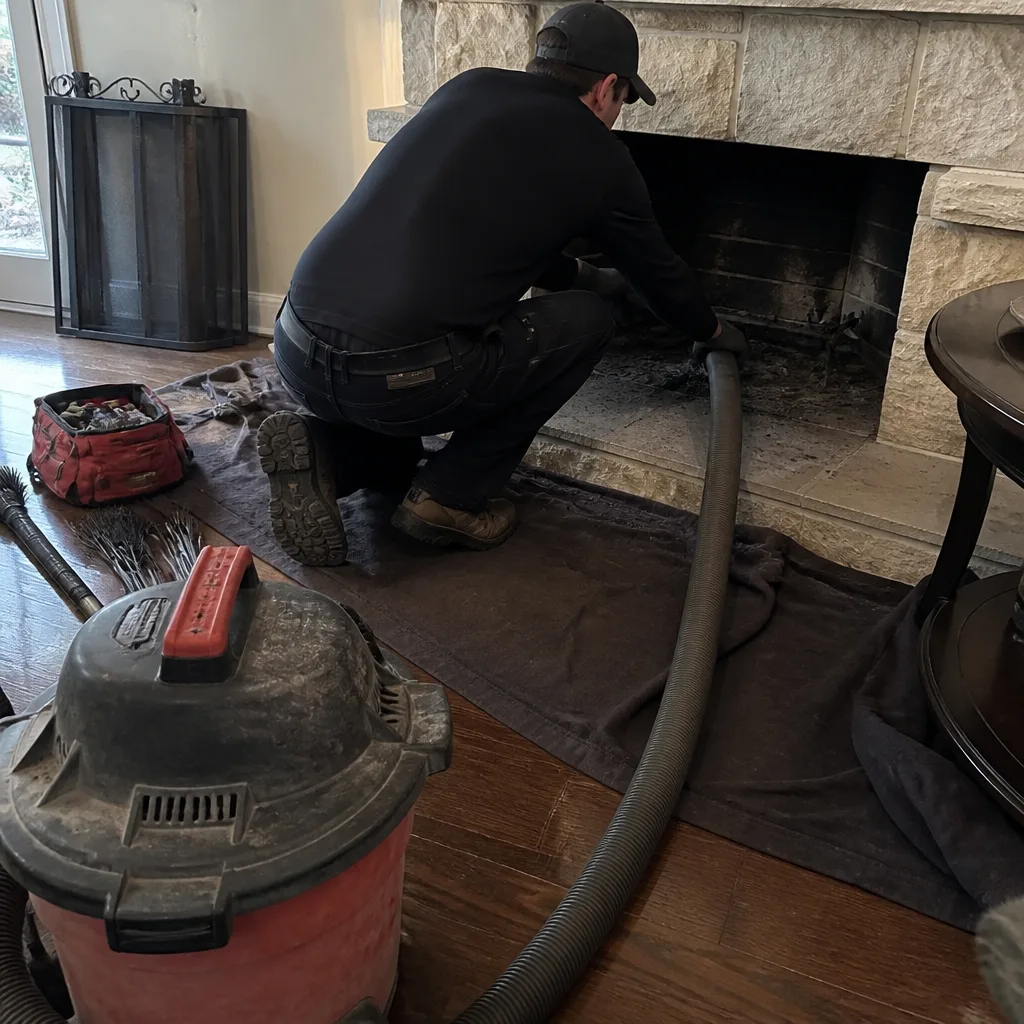 Before
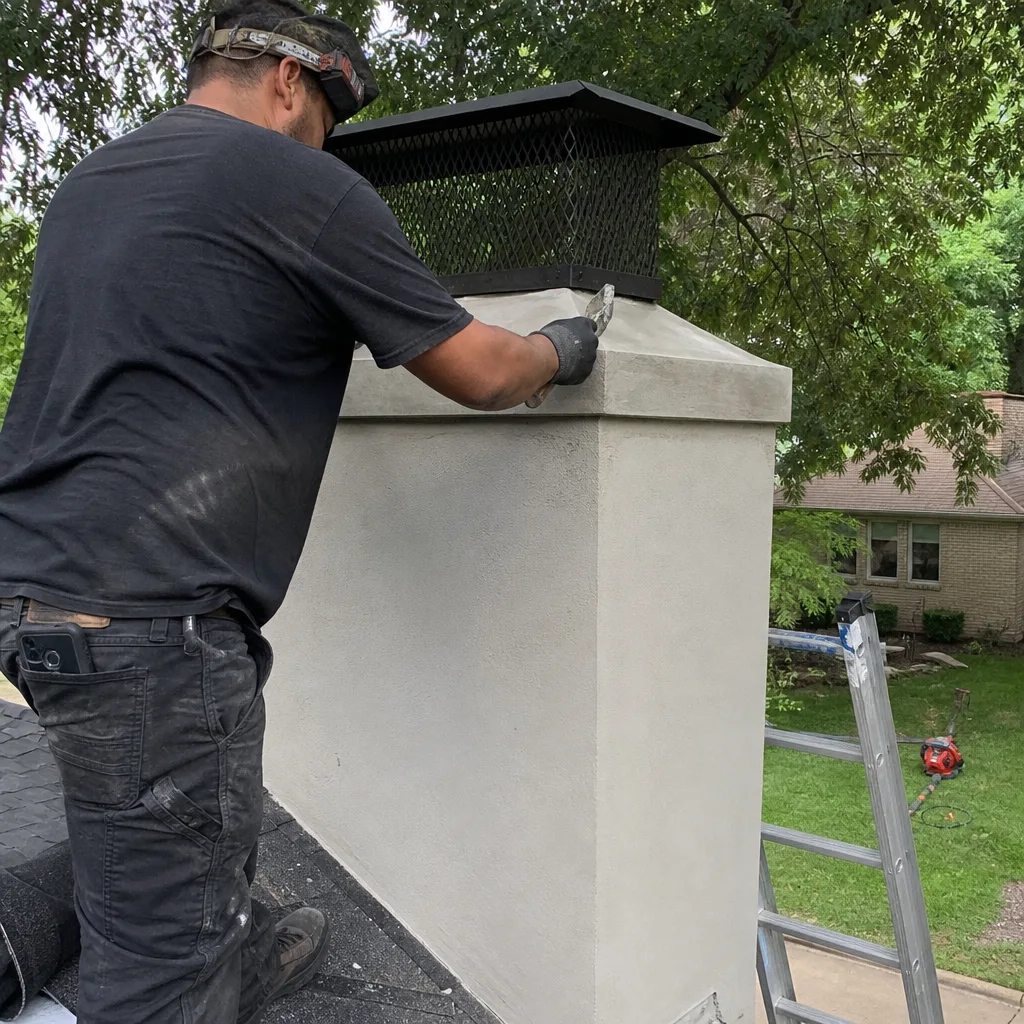 After
After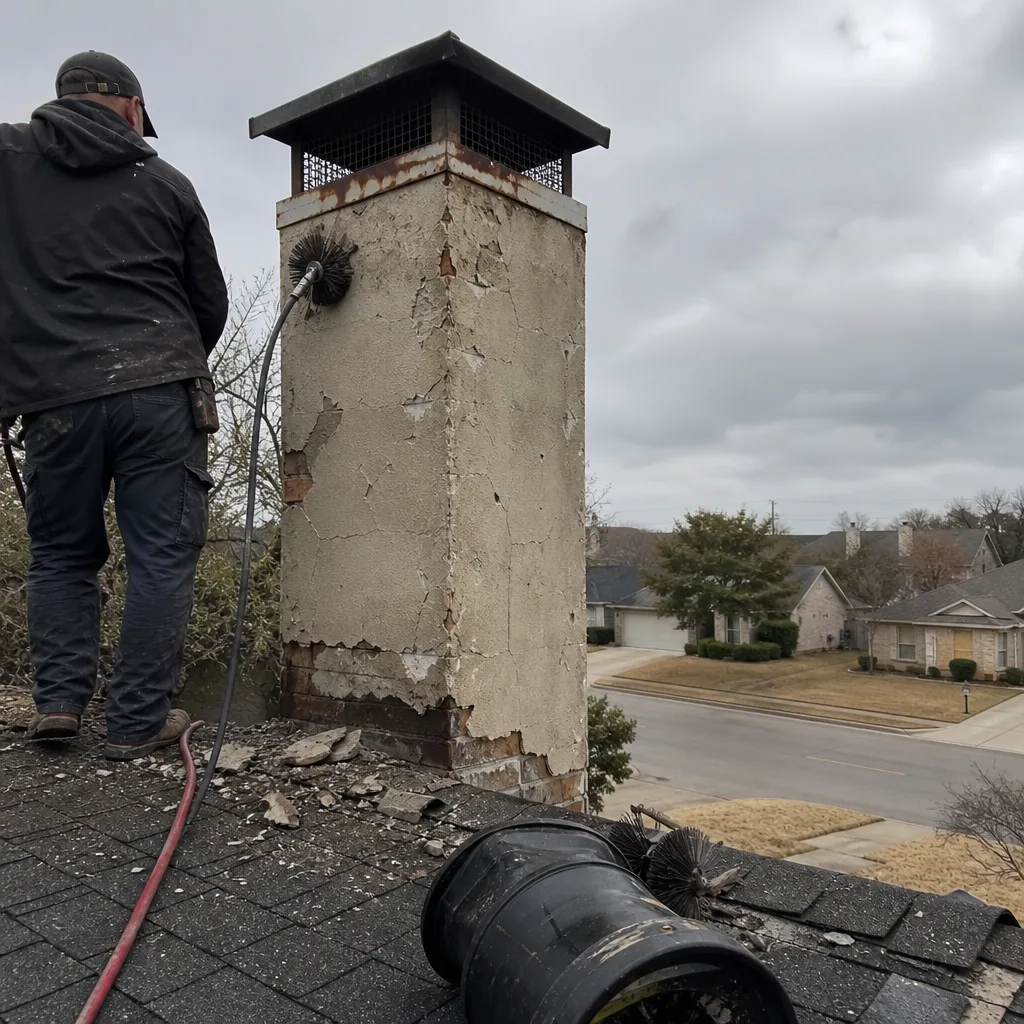 Before
 After
After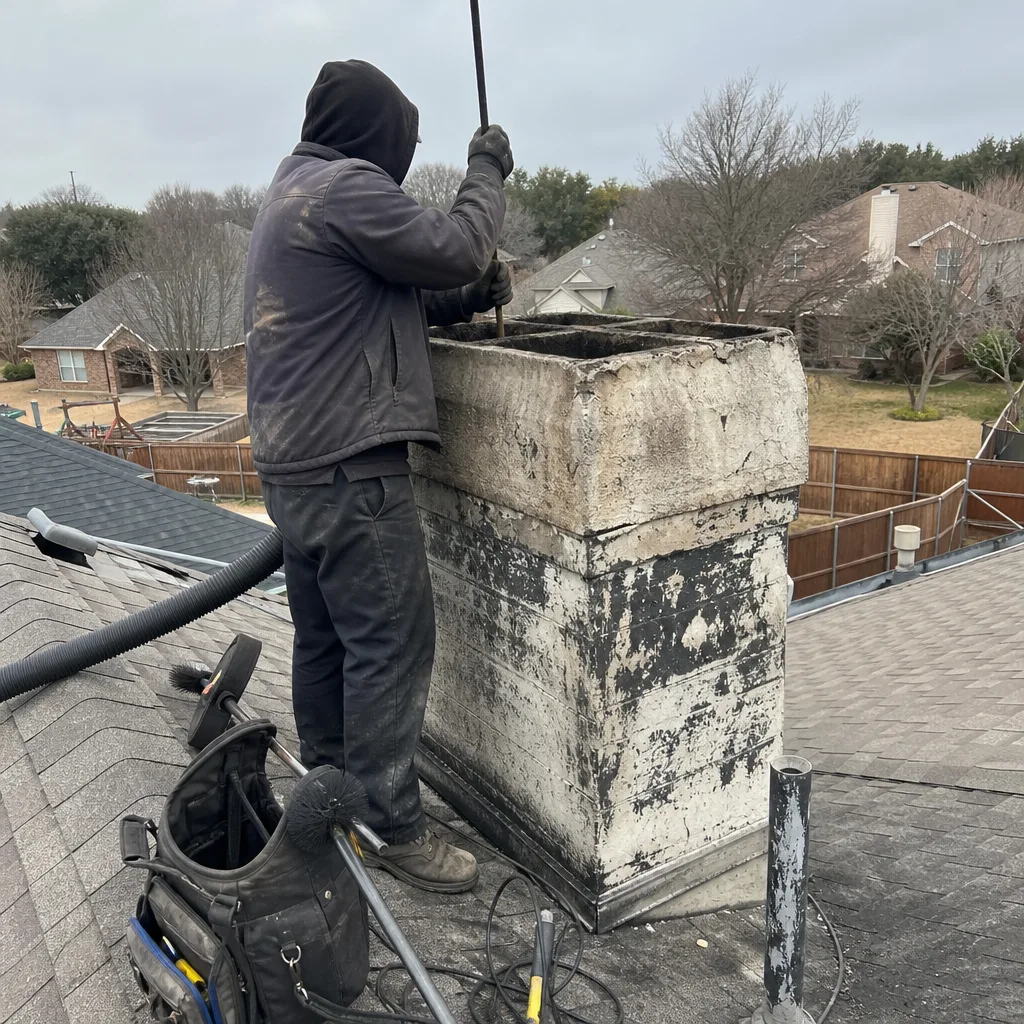 Before
 After
After