
Last updated October 15, 2026
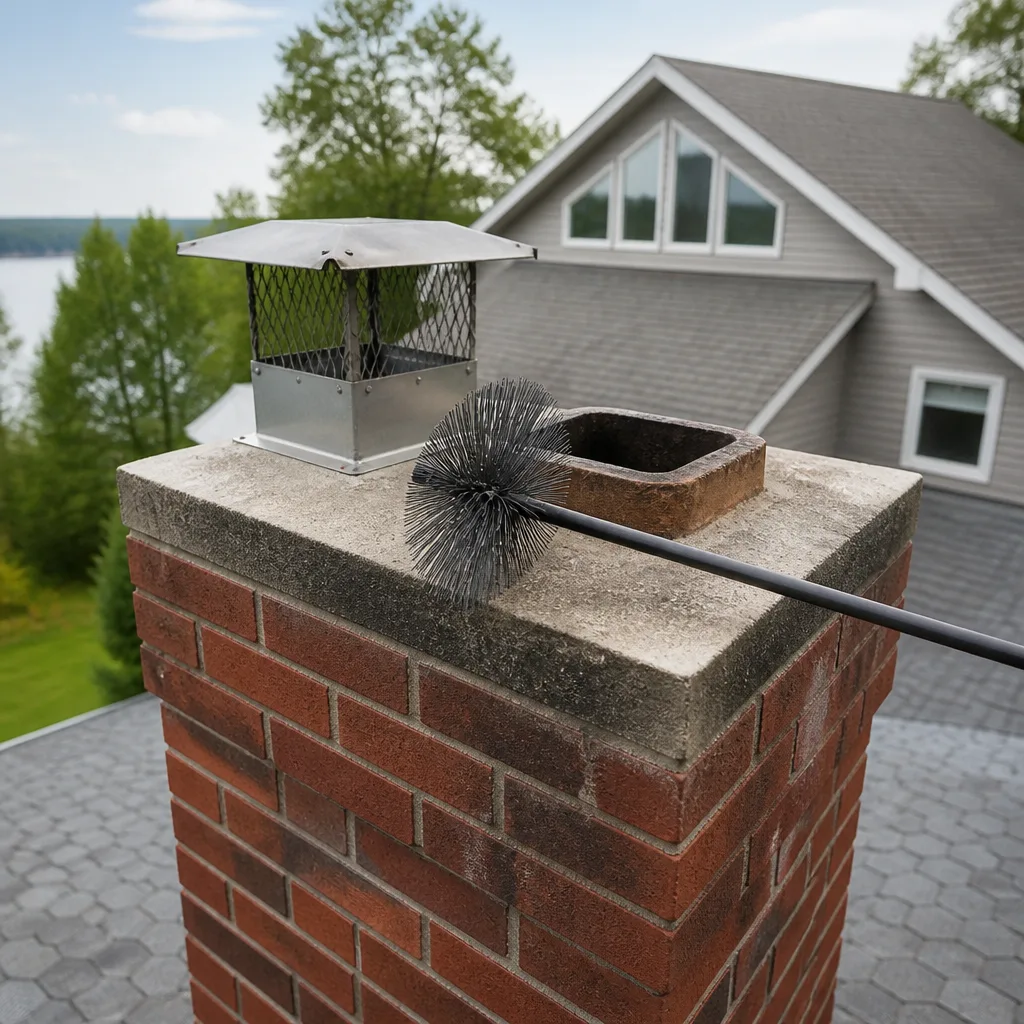 Sweep & inspection
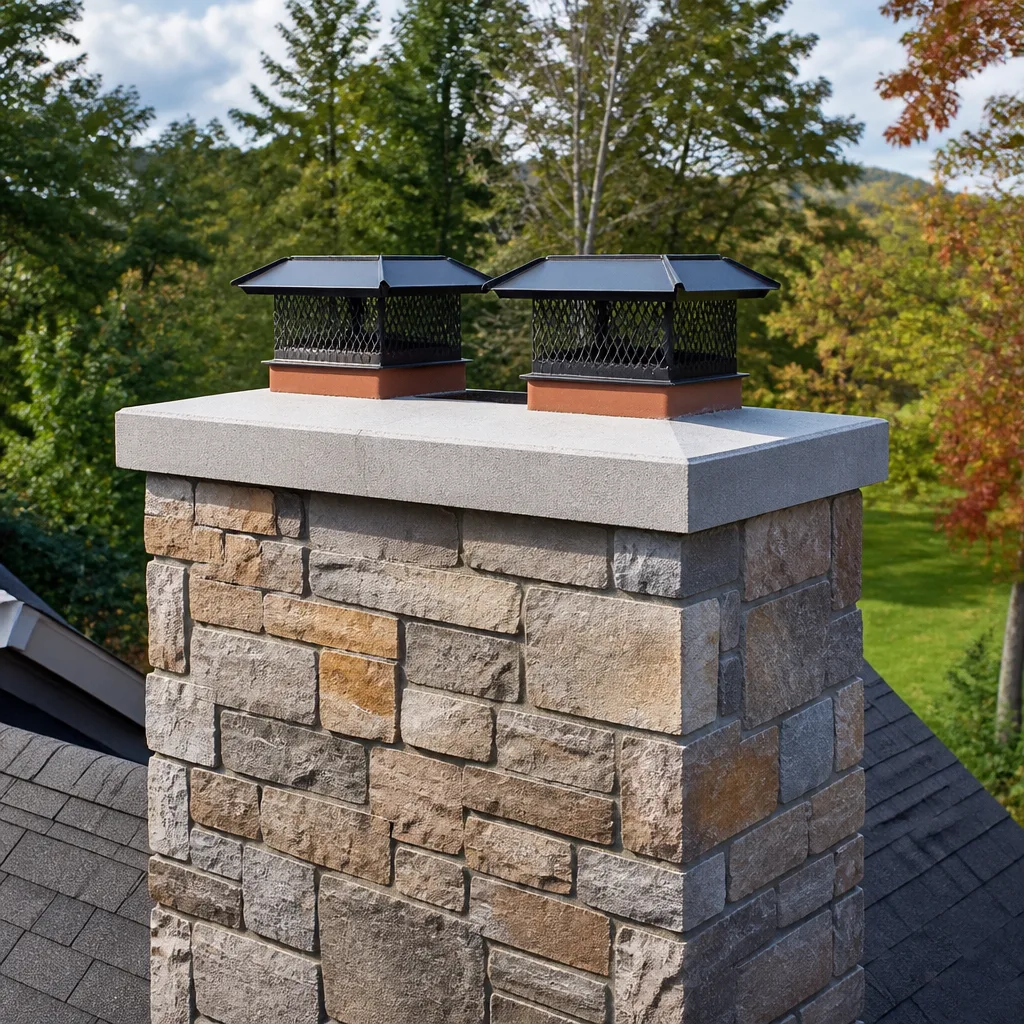 Caps & crowns
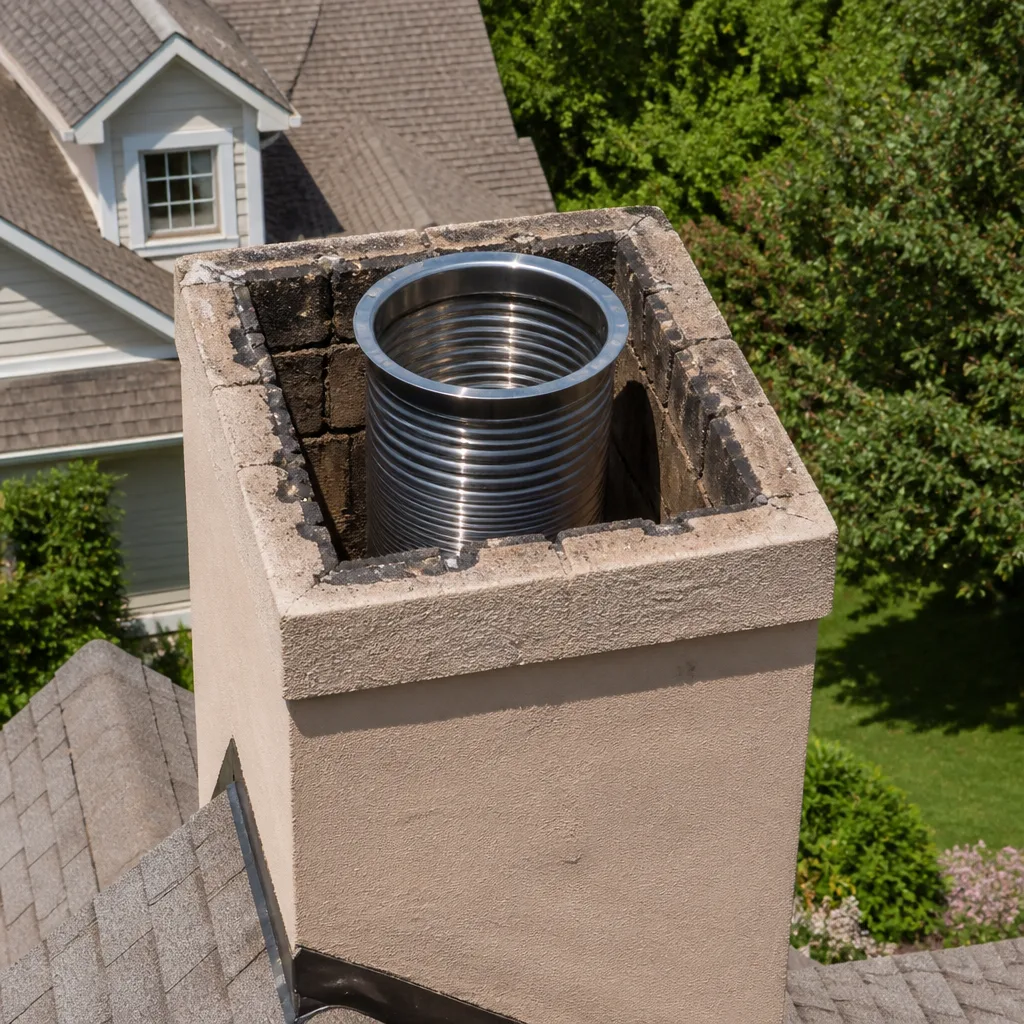 Flue relining
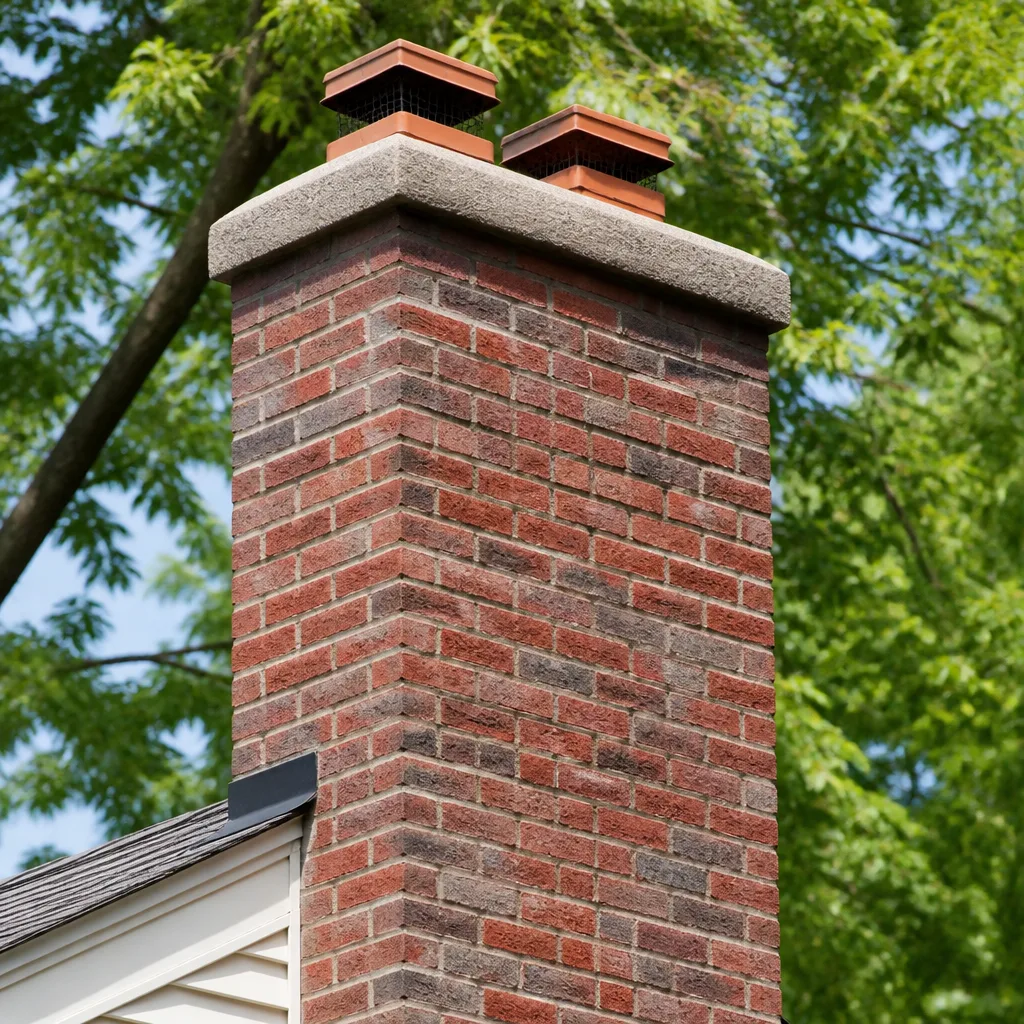 Masonry repair
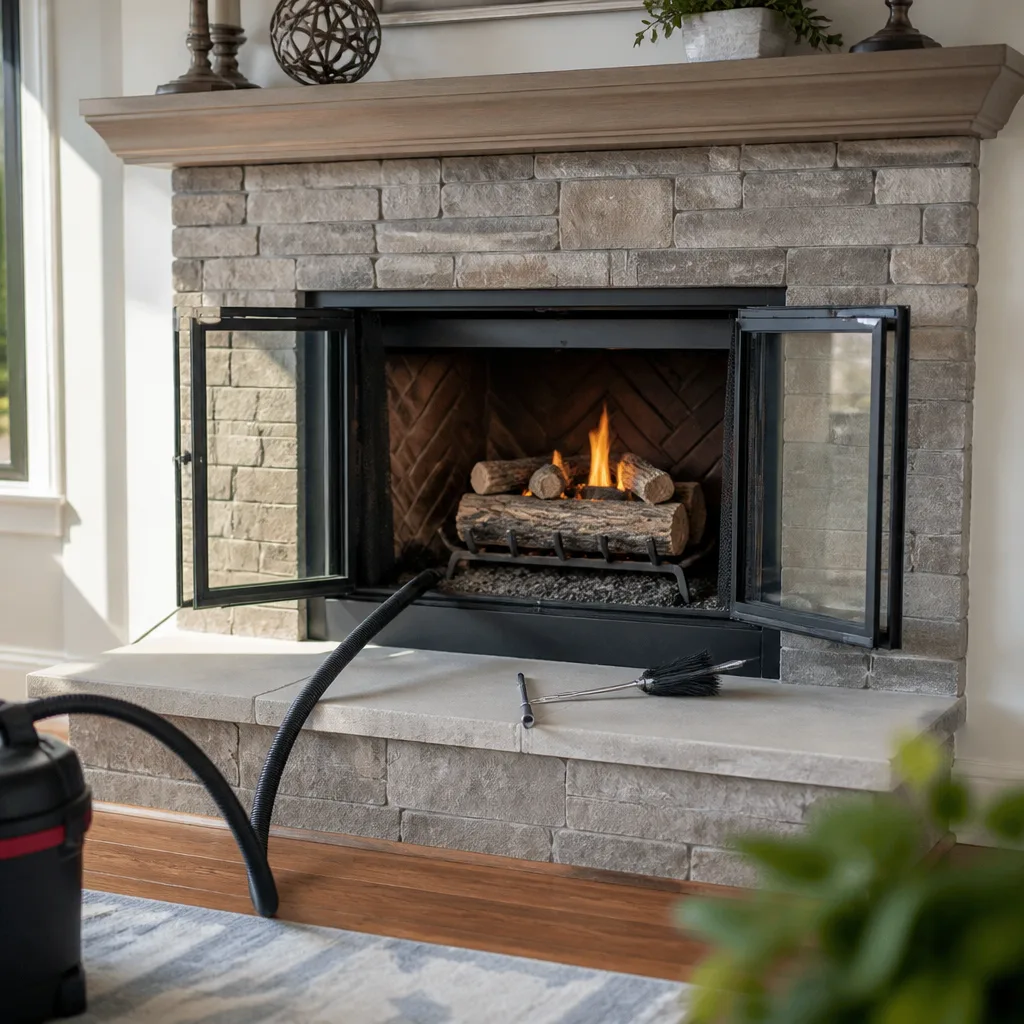 Gas fireplace service
Level 1 sweep and inspection to the NFPA 211 annual standard - flue, crown, cap, and flashing checked and photographed
Chimney sweep logs do not sweep chimneys. They loosen some creosote - which then falls where a brush and vacuum still have to collect it.
Chimney Cleaning Permits, Codes & Inspections in TX: What You Need to Know
Most homeowners assume any contractor working on their chimney is handling whatever paperwork the city requires. That assumption costs people real money. Unpermitted chimney work discovered during a home sale becomes a negotiating chip for buyers, a red flag for insurance adjusters, and a liability you carry long after the contractor has driven off. The counterintuitive part: a basic chimney sweep in Dallas needs no permit at all, while a liner replacement often does, and plenty of contractors will tell you the opposite because pulling a permit takes time they would rather not spend. This guide explains exactly which chimney services trigger Dallas permit requirements, how Texas building codes shape those rules, what happens when unpermitted work surfaces at resale, and how to verify a permit before you pay the final invoice. For a deeper dive, see The Complete Guide to Chimney Cleaning in Dallas.
Styles & brands we work with
Quick Answer
Chimney cleaning and routine inspections in Dallas do not require a permit. Chimney repairs that involve structural changes, liner replacement, firebox rebuilding, or masonry alterations generally do require a City of Dallas building permit. A contractor who tells you otherwise should put that claim in writing; if they won’t, that is your answer.
Table of Contents
- Which Chimney Services Require a Dallas Permit (and Which Don’t)
- How Texas Building Codes Apply to Chimney Work
- Where Dallas Amendments Change the Rules
- What Happens When Unpermitted Chimney Work Is Discovered
- How to Verify a Dallas Chimney Permit, Step by Step
- Contractor Inspection vs. Code-Compliance Inspection
- Common Mistakes to Avoid
- When to Call a Professional
- Frequently Asked Questions
- The Bottom Line
Which Chimney Services Require a Dallas Permit (and Which Don’t)
The short version: sweeping, inspection, and minor component replacement do not require a permit in Dallas. Structural work does. Here is the breakdown.
No Permit Required
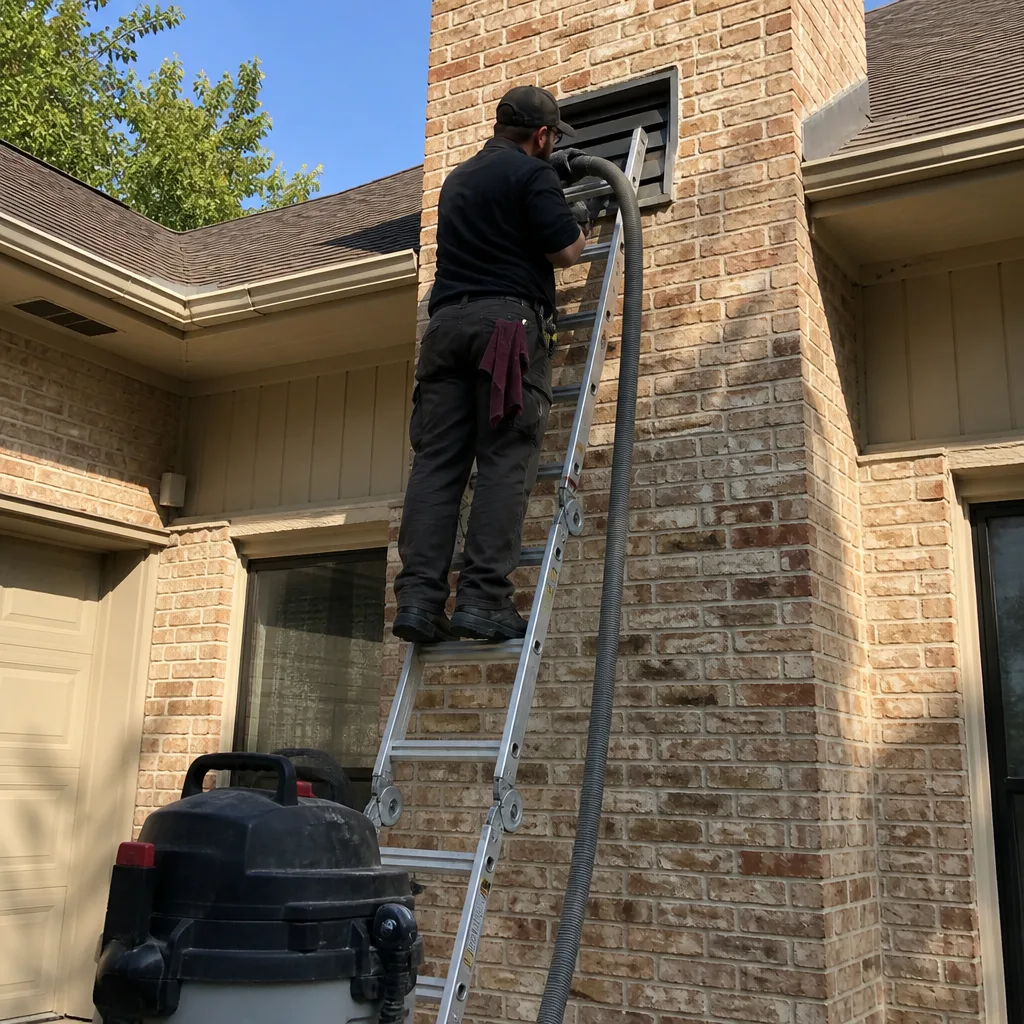
- Chimney sweeping – removing creosote and soot from the flue is maintenance, not construction. The City of Dallas does not require a permit for this.
- Level 1 and Level 2 chimney inspections – visual and video camera inspections are diagnostic work. No permit needed.
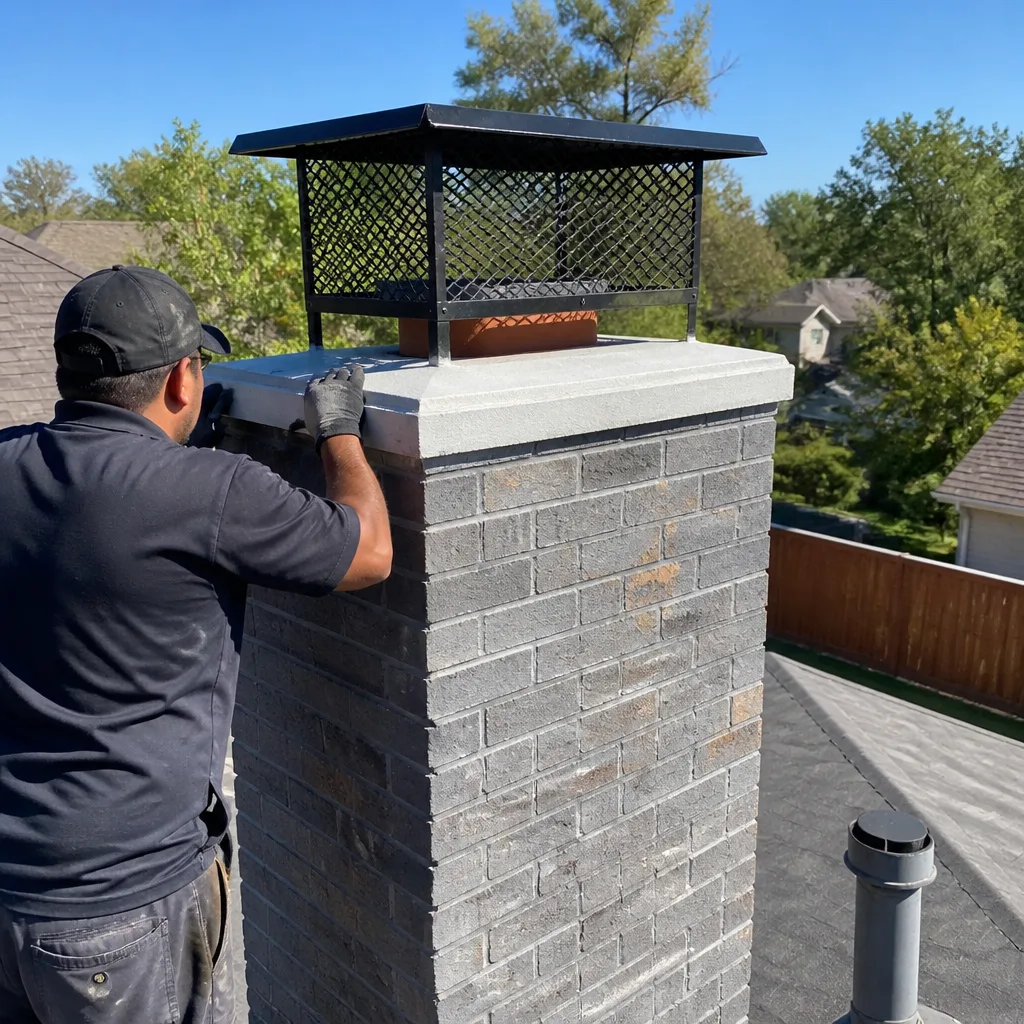
- Minor repairs – replacing a damper, a chimney cap, flashing around the base of the chimney, or a spark arrestor. These are component swaps, not structural changes.
- Chase cover replacement – the metal lid on a factory-built chimney. No permit required in Dallas for direct replacement.
Permit Required
- Flue liner replacement – installing a new stainless steel liner (DuraFlex is one brand we use regularly) or rebuilding a clay tile flue changes the venting system’s configuration. The City of Dallas treats this as mechanical and structural work requiring a permit.
- Firebox rebuilding – new firebrick, new mortar joints, or a full firebox reconstruction alters the combustion chamber. This requires a permit.
- Chimney rebuilding – partial or full teardown and reconstruction of the chimney stack. Structural masonry work, always permitted.
- Relining with poured material – products like HeatShield or Gelco that resurface the flue fall into a gray zone; if the liner is being restored to original function without changing dimensions, some jurisdictions treat it as repair. Dallas generally expects a permit for any relining that involves removing the old liner first. We pull permits on these jobs because the cost of being wrong lands on the homeowner.
- Changing venting configuration – converting a wood-burning fireplace to gas, adding a new flue, or altering the chimney height. Permitted work, every time.
If you are reading this in a Dallas neighborhood like Lakewood, Preston Hollow, or East Dallas, the rules are the same citywide. The permit requirement follows the scope of work, not the zip code. A chimney sweep in Dallas that stays strictly to cleaning and inspection will not need to pull a permit for your job. A repair that touches the liner, firebox, or masonry structure will.
How Texas Building Codes Apply to Chimney Work
Texas does not have a single statewide building code that every city enforces uniformly. Instead, the state adopts the International Residential Code as a baseline, and local jurisdictions can amend it. For chimneys, the relevant chapter is IRC Chapter 10, which governs chimneys and fireplaces. The mechanical code provisions also apply when the work involves the venting system itself.
What this means in practice: the IRC sets the safety standards for clearances, flue sizing, liner materials, and masonry construction. Dallas has adopted the IRC with local amendments, which means the code requirements here are largely the national standard with some city-specific tweaks. When a contractor pulls a permit for a liner replacement in Dallas, the city inspector checks the work against the adopted IRC provisions and Dallas amendments.
The key IRC requirements that affect homeowners:
- Flue sizing – the flue must match the appliance and the fireplace opening. An oversized flue causes poor draft; an undersized one is a carbon monoxide hazard.
- Clearances – combustibles must be kept away from the chimney structure. The IRC specifies minimum distances based on chimney type.
- Liner materials – the code allows clay tile, stainless steel, or listed poured-in-place liners. Not all stainless liners are code-compliant for all fuels; a liner rated for gas is not automatically approved for wood.
- Chimney height – the chimney must extend at least 3 feet above the roof penetration and at least 2 feet above anything within 10 feet. This matters for draft and for code compliance.
For homeowners, the practical takeaway is that Texas code compliance is not a formality. It is the difference between a chimney that vents properly and one that leaks carbon monoxide into the house or catches fire at the roofline. We have repaired liners in Dallas homes where the previous contractor installed a gas-rated liner on a wood-burning fireplace. The homeowner had no idea until an inspection flagged it.
Where Dallas Amendments Change the Rules
Dallas adopts the IRC but modifies it through local amendments. The most relevant changes for chimney work involve permit thresholds, inspection requirements, and the definition of a minor repair. Here is what we have encountered on jobs across Dallas.
Permit threshold. Some Texas cities exempt repairs under a certain dollar value. Dallas does not have a blanket dollar-amount exemption for chimney work in the way smaller municipalities sometimes do. If the work is structural, the permit requirement applies regardless of project cost. A $900 firebox repair and a $9,000 chimney rebuild can both require permits if the scope is structural.
Historic district rules. Homes in Dallas historic districts such as Swiss Avenue, Munger Place, and parts of Oak Cliff carry additional review requirements for exterior work. If your chimney is visible from the street and you are in a designated historic district, the rebuild may need approval from the Landmark Commission before the city issues a permit. This adds time, not just paperwork. We have worked on chimneys in Munger Place where the approval process added several weeks to the project timeline.
Gas conversion permits. Dallas requires a permit for converting a wood-burning fireplace to gas. The gas line installation triggers a separate mechanical permit in addition to the chimney work permit. Two permits, two inspections. Contractors who say one permit covers everything are wrong, and the second inspection will catch it.
Rental properties. Dallas requires a rental registration and periodic inspections for rental housing. If a chimney repair in a rental property involves unpermitted work, the city can flag it during the rental inspection process and require the owner to retroactively permit and correct the work. That retroactive permit is often more expensive than the original would have been.
What Happens When Unpermitted Chimney Work Is Discovered
Unpermitted chimney work usually surfaces at one of three moments: a home inspection during resale, an insurance claim, or a city rental inspection. None of them are convenient.
At resale. A buyer’s home inspector flags a recently replaced liner or rebuilt firebox and asks for a permit number. The seller does not have one because the contractor never pulled it. The buyer then has leverage: the sale price drops, the seller credits funds for retroactive permitting, or the deal falls apart. In Dallas, where homes in neighborhoods like Lake Highlands and Casa View commonly sell with fireplaces as a selling point, a chimney permit issue can knock thousands off the negotiated price. We have been called in to inspect and re-permit work after exactly this scenario, and the correction usually costs more than the original permit would have.
At insurance claim time. If a chimney fire damages the home and the insurer discovers the liner was replaced without a permit, the claim can be denied or reduced. The insurer’s position is simple: unpermitted work is unverifiable work, and unverifiable work is a risk they do not have to cover. Texas homeowners insurance already has specific exclusions for damage caused by lack of maintenance; unpermitted repairs stack the deck against the homeowner even further.
At city inspection. Dallas does not send inspectors door to door looking for chimney permits. But if a city inspector visits for another reason and notes recent structural work with no permit on file, they can issue a stop-work order and require a retroactive permit. The retroactive permit often requires opening up completed work so the inspector can see what was done, which means paying twice for labor.
The common thread: the homeowner owns the risk, not the contractor. By the time unpermitted work is discovered, the contractor is often unreachable or has moved on. Requiring a permit before work starts is the only protection that actually works.
How to Verify a Dallas Chimney Permit, Step by Step
Dallas makes permits searchable online through the city’s permitting portal. Verifying a permit takes about ten minutes, and you should do it before making the final payment on any permitted chimney work. Here is the process we recommend to homeowners, step by step.
- Visit the City of Dallas Development Services permit lookup tool. The city maintains an online portal where anyone can search permits by address. You do not need an account to search.
- Enter your property address. Use the same address format as your water bill. The system matches permits to the property, not to the contractor.
- Look for the permit type. A chimney liner replacement generally appears under mechanical or building permits. A firebox rebuild appears under building permits. A gas conversion appears under mechanical and possibly plumbing permits for the gas line.
- Match the permit date to the project start. The permit should have been pulled before work began. A permit pulled after work started is a red flag that the contractor is retroactively covering themselves.
- Check the status. A valid permit will show as issued or, after inspection, as passed/finaled. If the permit shows as issued but not finaled, the inspection has not been completed and the work is not closed out with the city.
- Confirm the contractor name. The permit should list the contractor who did the work, not a subcontractor you have never heard of. If the permit lists a different company than the one on your invoice, ask why.
- Verify the inspection passed. The final inspection record is the proof that the work meets code. Without a passed inspection, the permit is incomplete.
One note: the Dallas permit portal is not always intuitive. If you cannot find the permit, call the Development Services office and ask them to look it up by address. A few minutes on the phone is cheaper than discovering a missing permit at closing.
Contractor Inspection vs. Code-Compliance Inspection
These are not the same thing, and confusing them causes real problems. A contractor inspection is what we do with a camera to assess the condition of your chimney. A code-compliance inspection is what the City of Dallas does after permitted work is complete to confirm the work meets adopted codes. You may need both, and they serve different purposes.
A chimney inspection in Dallas from a qualified sweep evaluates the actual condition of the flue, liner, firebox, and exterior masonry. It tells you whether your chimney is safe to use and what repairs are needed. This is a diagnostic service and has nothing to do with the city permit system. The inspection we provide includes a camera report so you can see the inside of the flue yourself, not take our word for it.
A code-compliance inspection is performed by a Dallas building inspector after permitted work. The inspector checks that the work matches the approved permit scope and meets the adopted IRC provisions and Dallas amendments. The inspector does not evaluate whether the chimney is clean or whether it drafts well under all conditions; they are checking code compliance, not performance.
Here is the sequence that protects a Dallas homeowner:
- A contractor inspection identifies what needs repair.
- The contractor pulls a permit for the permitted repair scope.
- The repair is completed.
- The city inspector performs the code-compliance inspection.
- The permit is finaled, and the homeowner receives documentation.
Skipping step 5 leaves the permit open and the work technically incomplete in the city’s eyes. If you sell the home while a permit is still open, the buyer’s title company will likely require it to be closed first. We close out every permitted job before we consider it finished, and we provide the finaled permit number to the homeowner.
Common Mistakes to Avoid
- Taking the contractor’s word that “no permit is needed” without verification. If the job involves a liner, firebox, or structural masonry, verify with the City of Dallas directly. A contractor who is wrong costs you money and creates a resale problem.
- Paying in full before the permit is finaled. The final inspection is your leverage. If the contractor wants full payment, ask for the finaled permit number first. A contractor who has been paid has little reason to return for inspections.
- Confusing a sweeping certification with a building permit. A CSIA certification from an organization like the Chimney Safety Institute of America is a professional credential. It is not a permit from the City of Dallas and does not satisfy the city’s requirements for structural work.
- Letting a handyman perform structural chimney repairs. A general handyman rarely carries the insurance or the permit history for liner replacements or firebox rebuilds. When the work fails, or when the city asks for a permit that was never pulled, the homeowner is on the hook.
- Skipping the camera inspection before agreeing to repairs. Some contractors recommend a new liner based on a visual check from the rooftop. A camera inspection shows the actual condition of the flue and gives you evidence to make an informed decision. We include a camera inspection with our chimney inspections in Dallas.
- Assuming the home inspector at resale caught everything. A home inspector does a visual review, not a code-compliance audit. Unpermitted work can pass a home inspection and still surface later through the title company’s permit search.
- Ignoring historic district requirements. Homeowners in Swiss Avenue, Munger Place, and other Dallas historic districts who skip the Landmark Commission review risk a stop-work order and retroactive approval, which is slower and more expensive.
When to Call a Professional
Call a chimney professional if you have never had your chimney inspected since buying the home, if you see white staining or crumbling mortar on the exterior chimney, if you smell smoke in the house after a fire, or if you notice the damper does not open and close properly. Also call a professional before any repair, not after. A fireplace repair in Dallas that starts with a proper inspection and a written price protects you from discovering mid-job surprises. If you are unsure whether your repair needs a permit, ask the contractor to confirm in writing. If they will not, find someone who will. Ashby Chimney Dallas offers free estimates in Dallas – call (361) 314-3193 and we will walk you through what your chimney needs and whether a permit applies.
Frequently Asked Questions
No. Chimney sweeping is classified as routine maintenance in the City of Dallas, and no permit is required. The same applies to standard chimney inspections. You can book a Dallas chimney cleaning without involving the city permit office.
Yes. Replacing a flue liner is considered mechanical and structural work under the Dallas building code, and a permit is required. If your contractor says otherwise, ask them to put that claim in writing and verify with the city before work begins.
Search your address in the City of Dallas permit lookup tool. You can find the permit by the property address, and you should match the permit date, contractor name, and status. A permit that was pulled after work started or is still open is a red flag.
The buyer’s title company may flag the unpermitted work during the closing process. You could be required to retroactively permit and correct the work before the sale closes, or the buyer may negotiate a price reduction. Homeowners in neighborhoods like Lakewood and Preston Hollow have seen sales delayed or repriced over exactly this issue.
No. A contractor inspection evaluates the current condition of the chimney, usually with a camera. A code-compliance inspection is performed by a city inspector after permitted work and confirms the work meets the adopted building code. You may need both for a full picture.
Permit fees in Dallas vary by project scope and valuation, but a typical chimney repair permit runs in the range of $100 to $400. The exact amount depends on the work type and the city’s current fee schedule. The cost of failing to pull the permit is almost always higher than the permit fee itself. For an exact quote on your project, call (361) 314-3193.
The Bottom Line
Chimney cleaning and inspection in Dallas are permit-free, which means you can book a sweep without paperwork. But the moment the work involves a liner, firebox, or structural masonry, the rules change, and the permit becomes your protection. Require written confirmation from any contractor who says a permit is not needed, verify permits through the Dallas portal before final payment, and insist on a finaled permit before the job is considered done. That approach costs a little time and, occasionally, a little money. It is a lot cheaper than an unpermitted liner discovered at closing. For more guides & resources, or for any chimney question in Dallas, call Ashby Chimney Dallas at (361) 314-3193 and we will give you a straight answer and a written price, the way it should have been the first time.
Written by Nathan Corliss, Owner at Ashby Chimney Dallas, serving Dallas since 2002.
See the difference
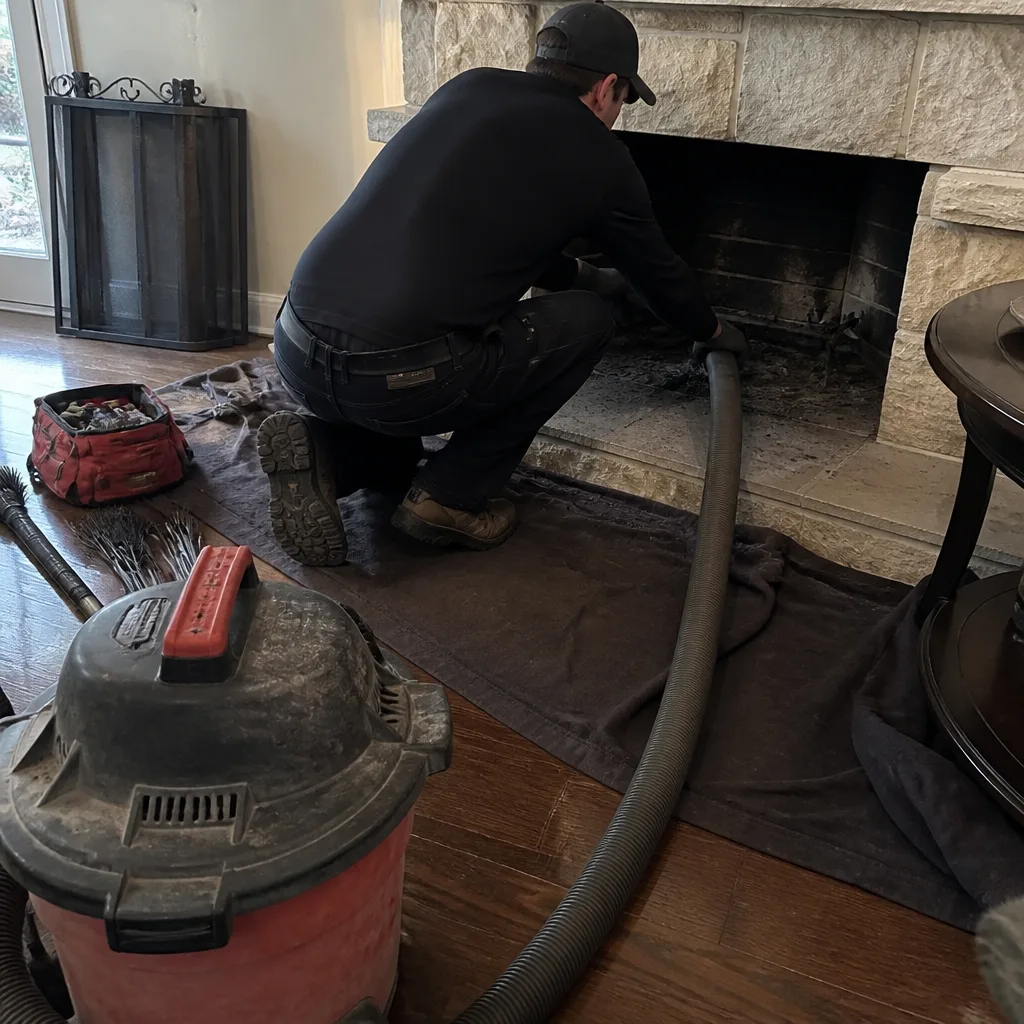 Before
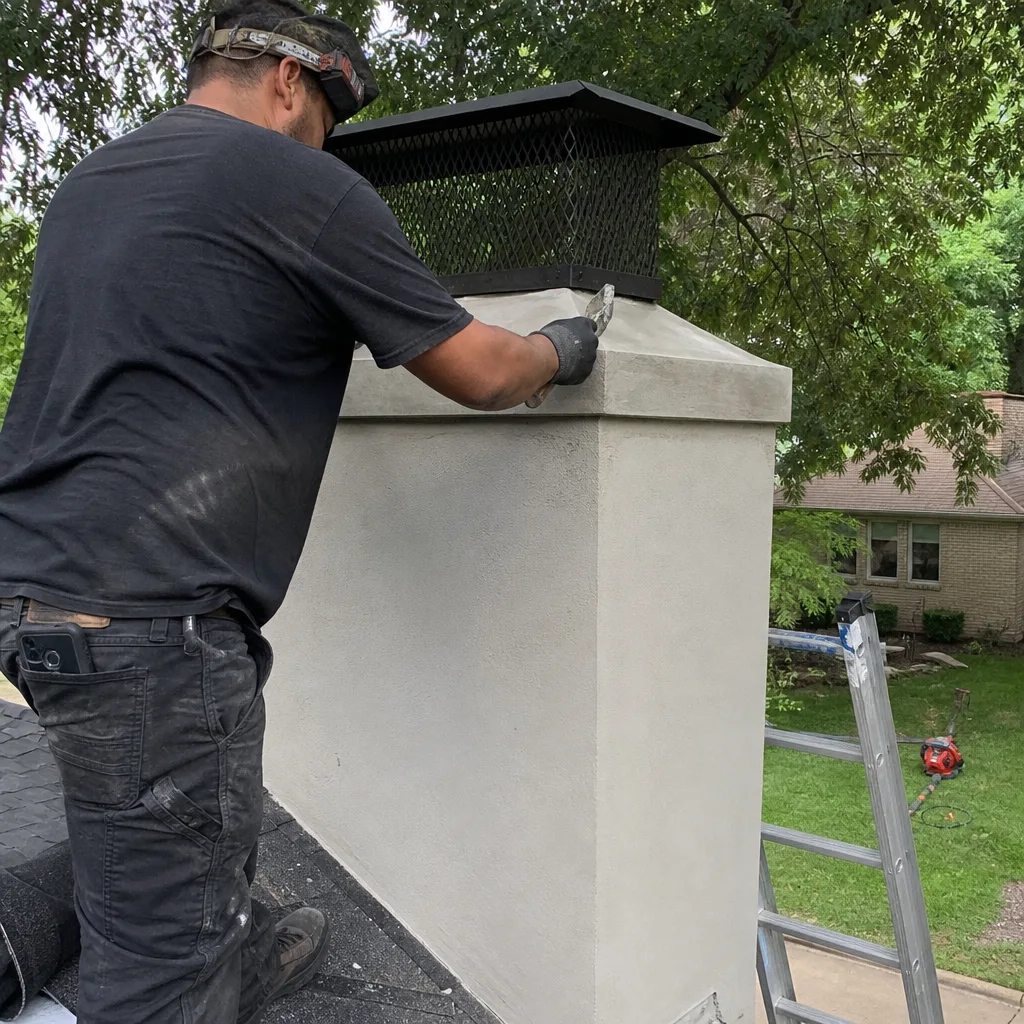 After
After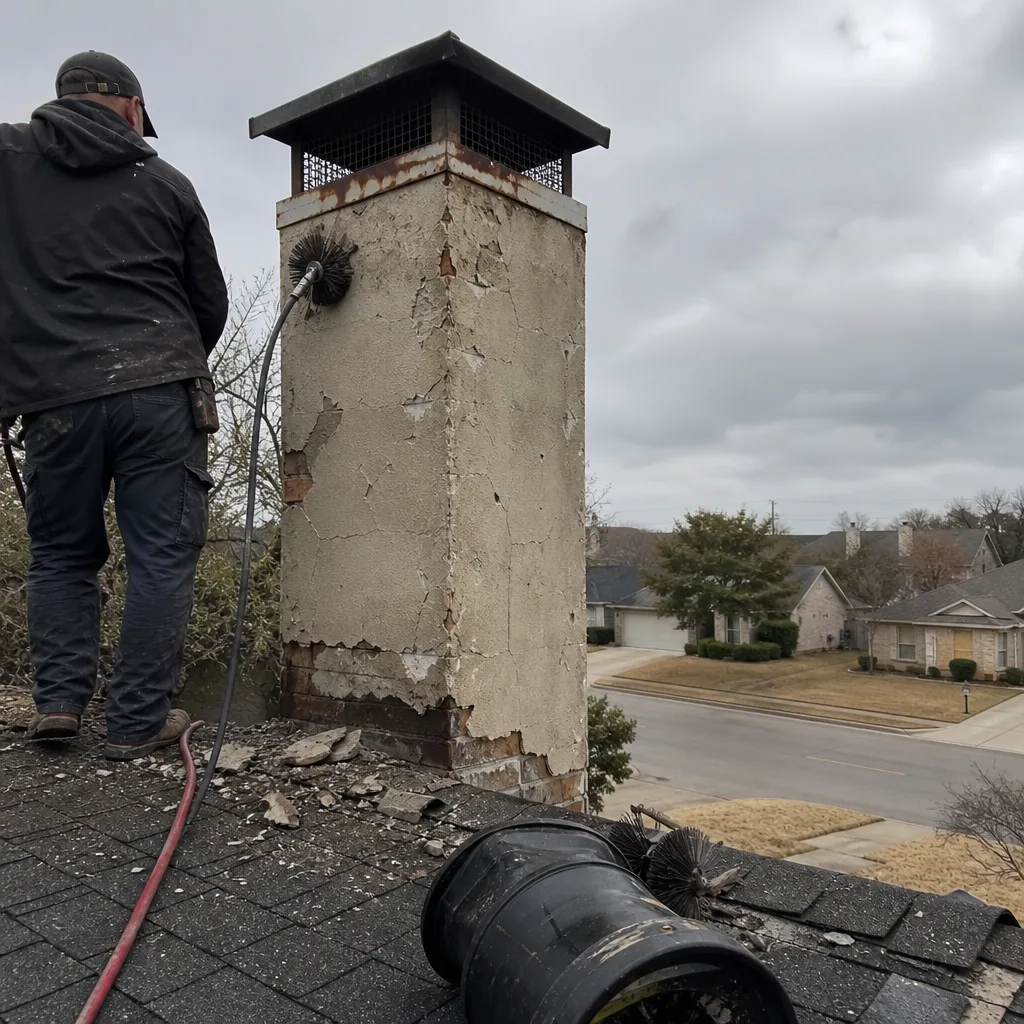 Before
 After
After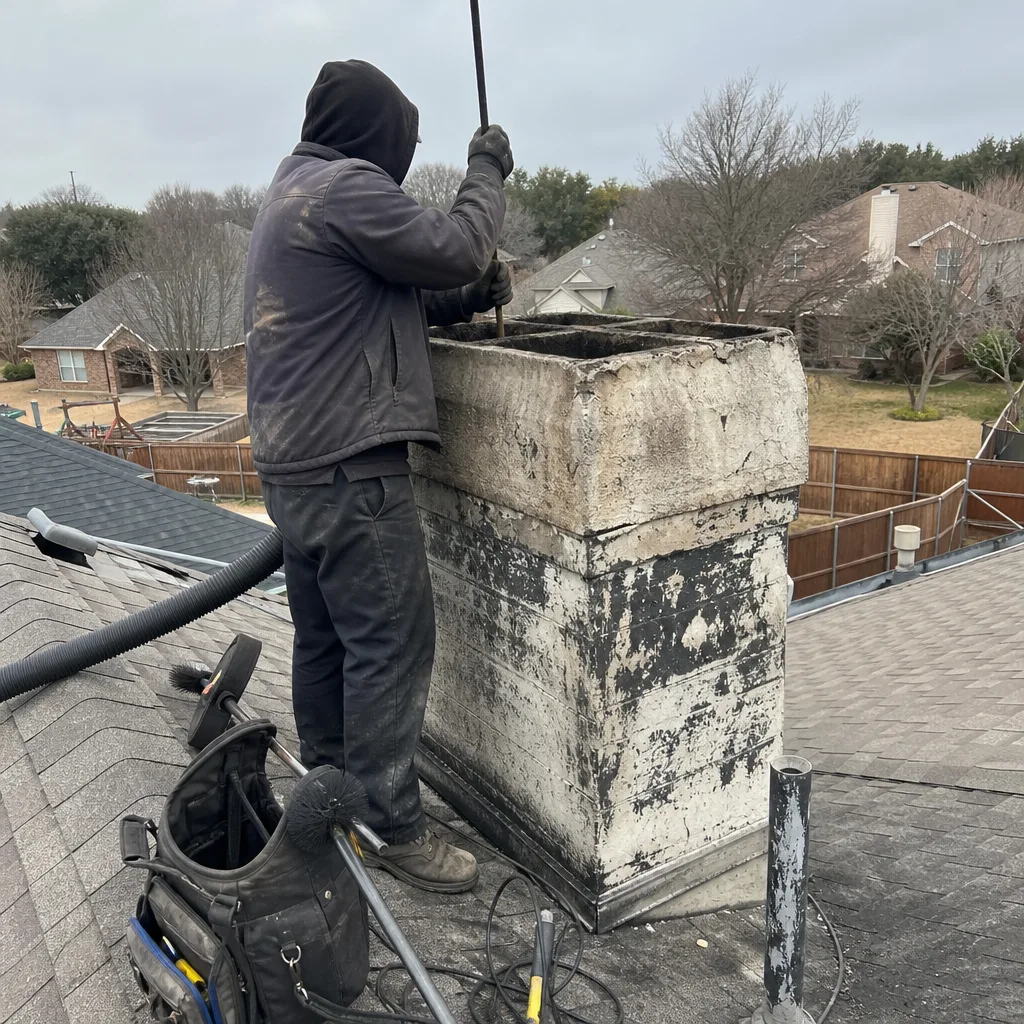 Before
 After
After