
Last updated October 15, 2026
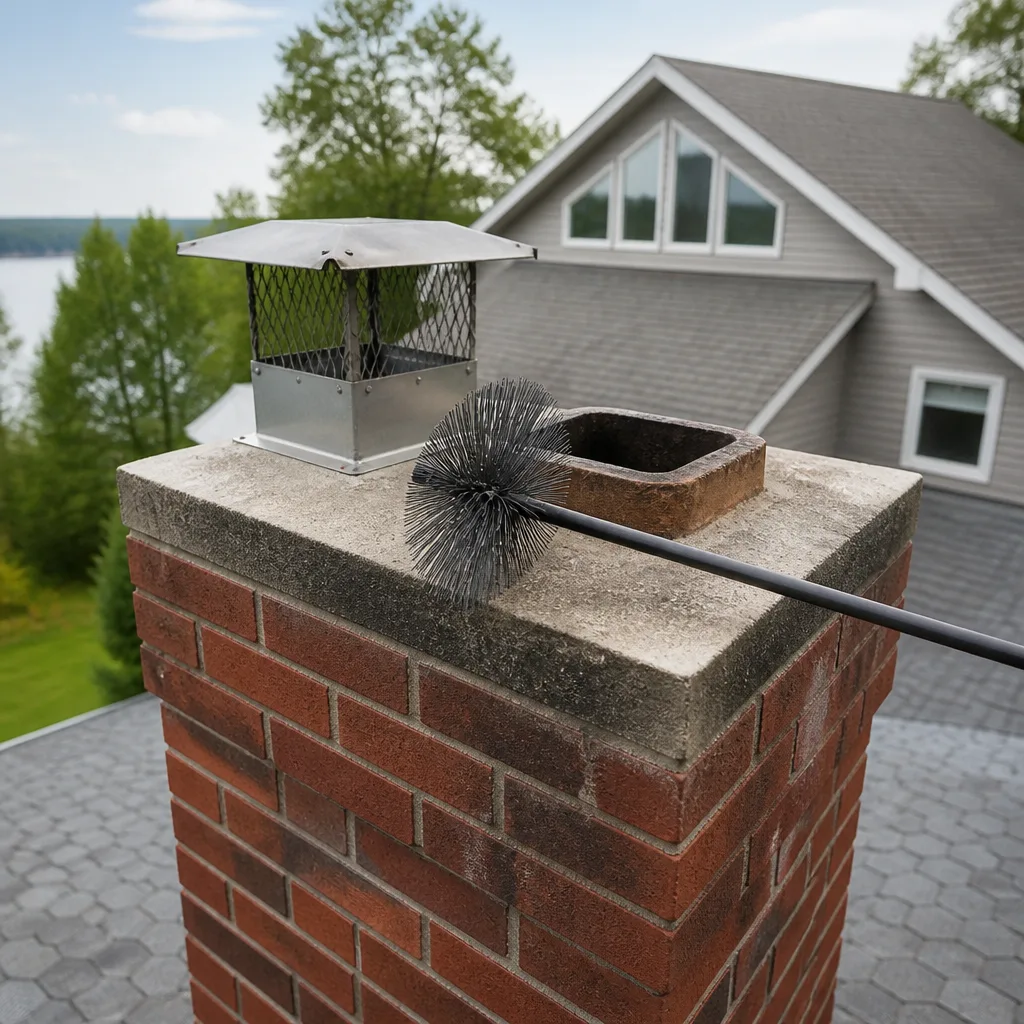 Sweep & inspection
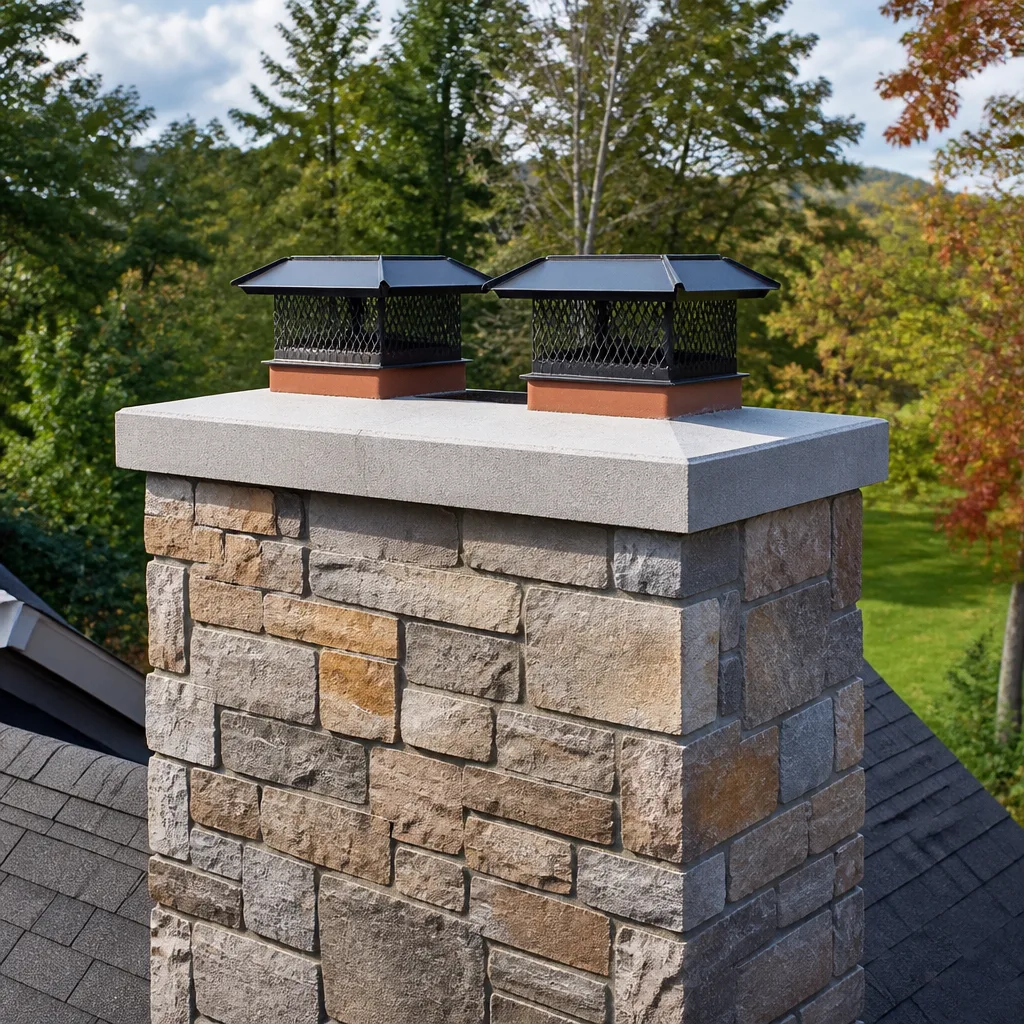 Caps & crowns
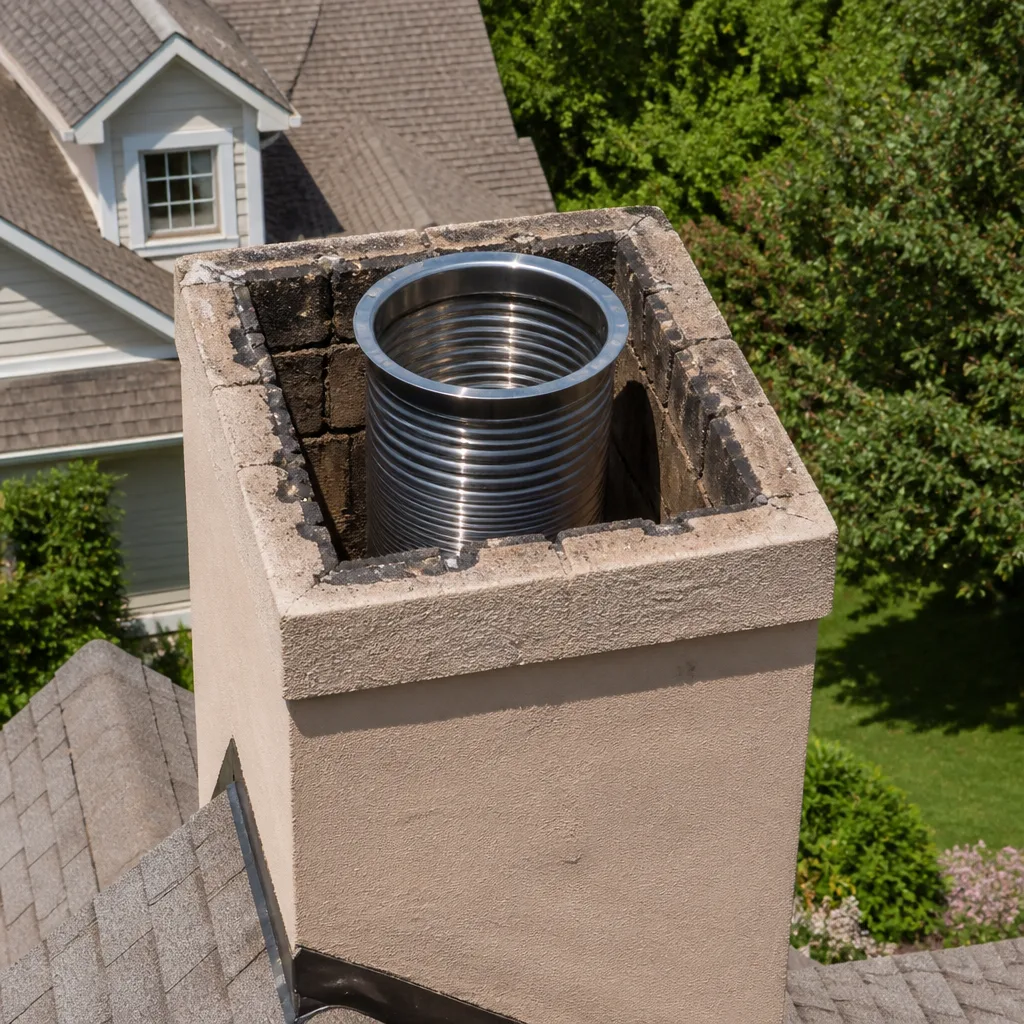 Flue relining
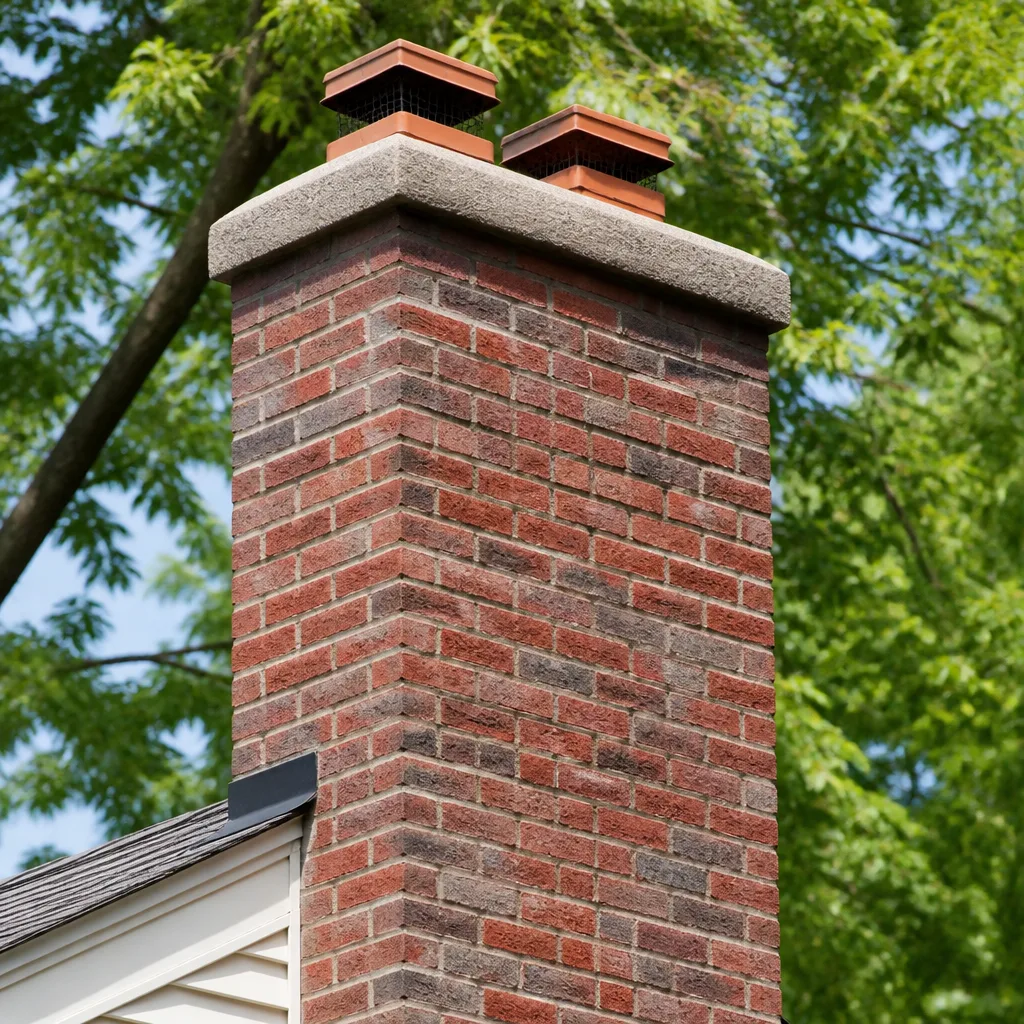 Masonry repair
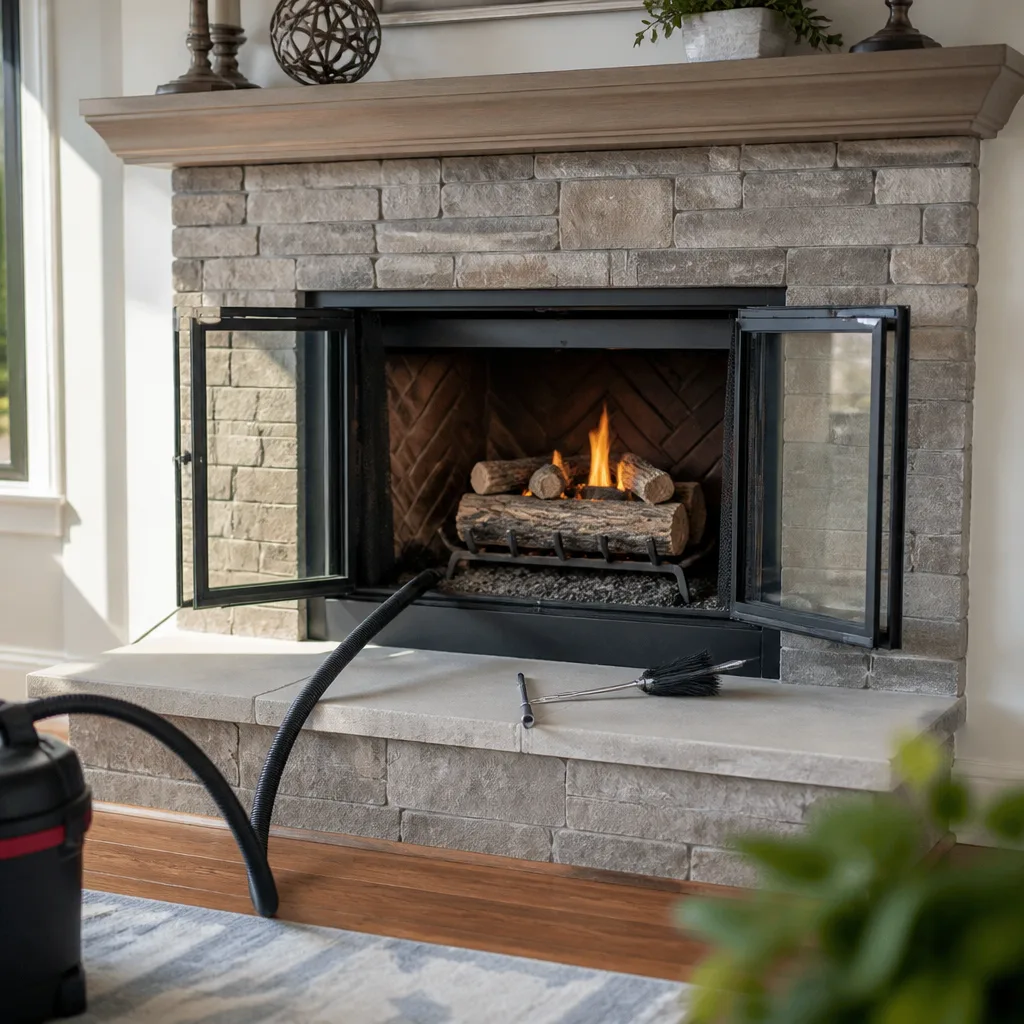 Gas fireplace service
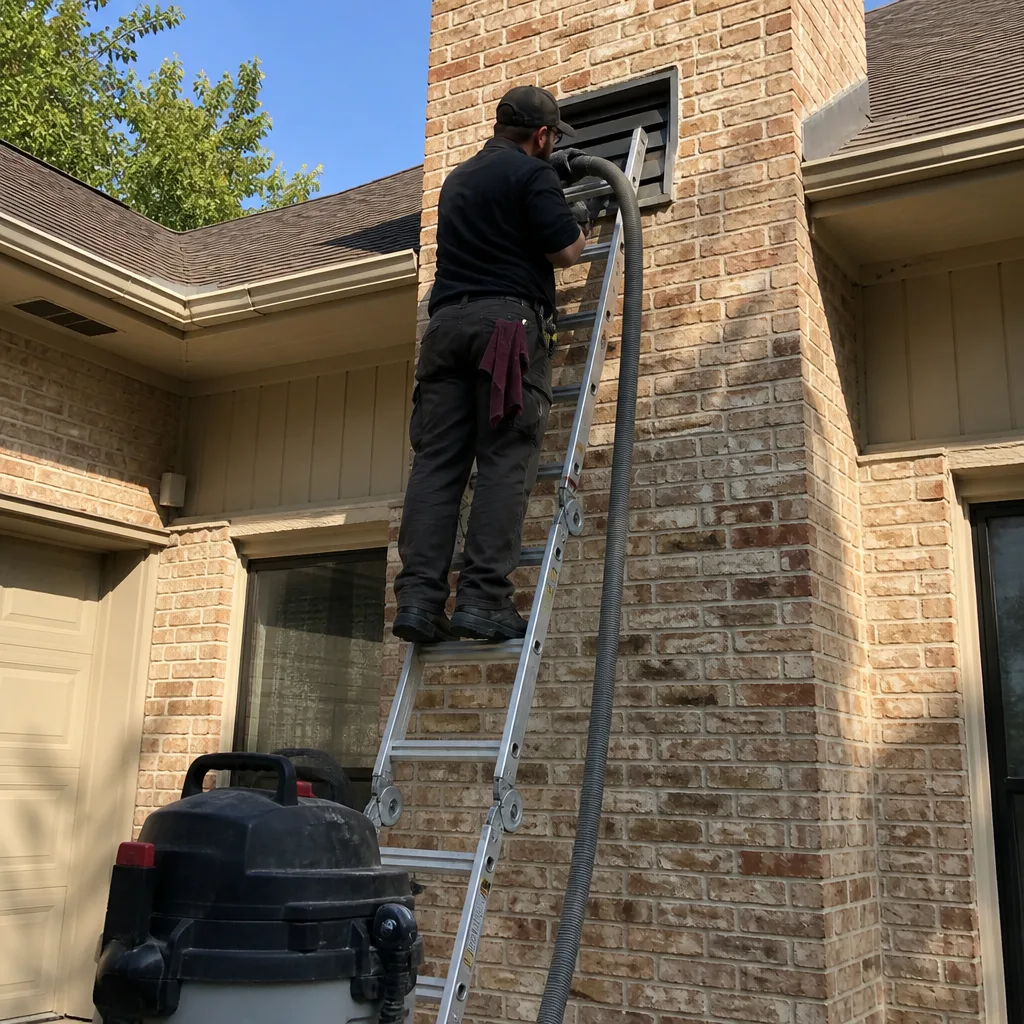
Level 1 sweep and inspection to the NFPA 211 annual standard - flue, crown, cap, and flashing checked and photographed
Chimney sweep logs do not sweep chimneys. They loosen some creosote - which then falls where a brush and vacuum still have to collect it.
Chimney Cleaning Warning Signs: A Dallas Homeowner’s Reference Guide
A smoky smell in your living room in July, when you haven’t touched the fireplace since February, is not a mystery. It’s a diagnosable problem with a specific cause, and it’s sending you a signal months before burn season starts. Most Dallas homeowners only notice chimney trouble when it becomes impossible to ignore: smoke rolling into the room, water stains spreading across the ceiling, or that sharp acrid odor that hangs around after a rainstorm. By then, the fix is more involved and more expensive. This guide and our Complete Guide to Chimney Cleaning in Dallas teach you to read the earlier signals, the ones visible right now without any special tools, so you can make a calm, informed decision instead of a panicked one. We’ll cover what different warning signs actually mean, which ones are urgent, which ones can wait, and what a fair price looks like in the Dallas market.
Quick Answer
A chimney needs attention when you notice any of these: a campfire or barbecue smell when the fireplace isn’t in use, visible smoke entering the room during a fire, dark staining on the wall above the fireplace opening, white powdery deposits on exterior brick, cracked or flaking mortar joints, or water in the firebox after rain. Some of these mean schedule a cleaning soon; a few mean stop using the fireplace entirely until a professional inspection rules out structural or venting failure. In Dallas, a standard chimney sweep for a regularly used fireplace costs between $189 and $289, and most jobs are completed in under two hours. See our Chimney Sweep Maintenance Checklist for Dallas Homeowners for what to expect.
Styles & brands we work with
Table of Contents
- The Three Problems Behind Most Dallas Chimney Warning Signs
- Inside Warning Signs You Can Check Without Tools
- Exterior Warning Signs Visible From the Ground
- The Severity Scale: Monitor, Schedule Soon, or Stop Using Now
- Why Dallas Weather Creates Chimney Problems Other Cities Don’t See
- What Chimney Work Costs in Dallas: Plain Numbers
- Common Mistakes to Avoid
- When to Call a Professional
- Frequently Asked Questions
The Three Problems Behind Most Dallas Chimney Warning Signs
Almost every chimney warning sign a Dallas homeowner notices falls into one of three buckets: a drafting problem, a creosote problem, or a structural problem. They present differently, they smell differently, and they require different responses. Learning to tell them apart is the single most useful skill in this entire guide, because it tells you whether you’re looking at a $200 cleaning or a $2,400 repair.
A drafting problem means smoke is not moving up and out the way it should. The chimney’s job is to create a column of rising hot air that pulls combustion gases away from your living space. When that column weakens or reverses, smoke enters the room. You’ll notice it as a faint smoky smell that appears when the fireplace is lit, or when the wind blows from a certain direction, or on humid days. In Dallas, drafting problems are common in homes near White Rock Lake and in older neighborhoods like Lakewood and East Dallas, where mature trees and tightly packed rooflines disturb airflow around chimney caps. A drafting problem might be as simple as a missing or undersized chimney cap, or as serious as an improperly sized flue liner (the clay or steel tube that vents combustion gases out of your home).
A creosote problem is the one most people associate with chimney sweeping, and for good reason. Creosote is the tarry, flammable residue that condenses inside the flue when wood smoke cools before it exits the chimney. It smells like a sharp, acrid campfire, and the odor often becomes more noticeable in summer when humidity rises and the creosote absorbs moisture. In our experience, homes in Dallas’s northern suburbs, like Plano, Richardson, and Carrollton, that burn mostly oak or pecan often develop heavy creosote faster than homeowners expect because those dense woods burn hot but produce a lot of smoke early in the fire. A creosote problem usually means schedule a sweep. In severe cases, where creosote has hardened into a shiny, tar-like glaze, it can fuel a chimney fire, which is a different conversation entirely.
A structural problem involves the masonry, the flue liner, the chimney crown, or the flashing (the metal seal where the chimney meets the roof). Water is almost always the trigger. Dallas’s freeze-thaw cycles, where temperatures swing from the 60s to the 20s within days each winter, are brutal on brick and mortar. Water seeps into tiny cracks, freezes, expands, and widens those cracks. Over a few seasons, that process turns hairline fissures into spalling brick and crumbling mortar joints. Structural problems usually announce themselves with water stains on interior ceilings near the chimney, white mineral deposits on exterior brick (called efflorescence), or pieces of mortar showing up in the firebox.
How to Tell Them Apart by Smell, Sight, and Sound
- Drafting problem: Smells like smoke only when the fireplace is lit or in specific weather conditions. You may hear wind across the chimney top. No visible staining.
- Creosote problem: Smells like old campfire or barbecue, especially when the fireplace has been unused for months. Visible black, crusty buildup if you look up into the flue with a flashlight.
- Structural problem: Smells musty or damp after rain. Visible white staining on brick, flaking brick faces, or water in the firebox. Often accompanied by mortar bits on the hearth.
Inside Warning Signs You Can Check Without Tools
You don’t need any special equipment to spot most early chimney warning signs. A flashlight, your nose, and a willingness to look closely at the fireplace opening will catch a surprising amount.
Step-by-Step Inside Check
- Open the damper and look up. The damper is the metal plate just above the firebox that opens and closes the flue. With the damper open, shine a flashlight up into the flue. You’re looking for black, crusty deposits that look like dried tar or flaky charcoal. A light dusting is normal. A quarter-inch of shiny, glassy buildup is a creosote problem that needs attention before the next fire.
- Check the damper operation. Open and close it a few times. It should move smoothly and seat firmly. A damper that’s rusted open or jammed shut compromises the chimney’s ability to draft properly and to seal out outside air when the fireplace isn’t in use.
- Examine the firebox walls. The firebox is the chamber where the wood burns. Look for cracked firebrick, missing mortar joints, or a white, chalky film on the brick surface. That film is another form of water intrusion, and it’s telling you that moisture is getting through the chimney structure somewhere above.
- Look for debris on the smoke shelf. The smoke shelf is the flat area just above the damper, designed to catch falling debris and prevent downdrafts. You may need to reach up and feel, or use a mirror. If it’s accumulating chunks of mortar or pieces of flue tile, that’s structural material falling from higher in the chimney. Call for an inspection.
- Check the hearth and surrounding floor. Cracks in the hearth slab, especially diagonal cracks running from the firebox toward the room, can indicate foundation movement or heavy structural stress. Small hairline cracks are usually cosmetic, but gaps wider than a nickel deserve professional evaluation.
- Smell the firebox on a rainy day. A musty, damp odor after rain suggests water is getting past the chimney cap or crown. That’s an early structural warning sign that will only get worse, because each freeze-thaw cycle widens whatever gap is letting water in.
This inside check takes about ten minutes and costs nothing. Do it twice a year, once before burn season in October and once after it ends in March. Most Chimney Inspection in Dallas calls we field could have been avoided, or at least simplified, if homeowners had done this basic look before problems compounded.
Exterior Warning Signs Visible From the Ground
You should never climb onto a Dallas roof to inspect a chimney. Sloped roofs, especially after rain or early morning dew, are dangerous, and chimney tops often hide damage that isn’t visible from the roofline anyway. But you can learn a lot from the ground with a pair of binoculars or a telephoto phone camera.
The Four Exterior Signs That Matter Most
Efflorescence. That’s the white, powdery residue that appears on brick faces. It’s not mold, and by itself it’s not dangerous. What it is, is dissolved salt that water carried through the masonry and left behind when it evaporated. Efflorescence means water is moving through your chimney in a way it shouldn’t be. In Dallas, where we get heavy spring downpours followed by long dry spells, efflorescence is one of the most common exterior warning signs, and one of the most ignored.
Spalling brick. When the face of a brick flakes off or pops loose, that’s spalling. It happens when water inside the brick freezes and expands, literally breaking the brick apart from the inside. In Dallas’s freeze-thaw climate, spalling typically starts on the north side of the chimney, where the brick stays wet longest. Spalling is a structural warning sign, not a cosmetic one. Ignored, it leads to bricks that need full replacement and moisture intrusion into the home’s framing.
Mortar gap erosion. Run your eyes along the horizontal and vertical joints between bricks. The mortar should be flush or slightly recessed, with no gaps where the joint disappears entirely. If you can see openings where mortar used to be, water is getting in, and tuckpointing (replacing the damaged mortar) is the fix. In our experience, chimneys built in the 1970s and 1980s in Dallas neighborhoods like Richardson, Garland, and Mesquite are reaching the age where original mortar joints are failing en masse.
Flashing separation. The flashing is the sheet metal where the chimney meets the roof line. Over time, roofing tar dries out, nails back out, and the metal lifts. When flashing separates, every rainstorm sends water running down the chimney chase and into the attic or ceiling cavity. You’ll often see interior water stains near the fireplace or along ceiling beams before you notice the flashing itself. From the ground, look for lifted metal edges or visible gaps at the chimney-roof junction.
Ground-Level Exterior Checklist
- White powdery deposit on any brick surface (efflorescence)
- Flaking, peeling, or missing brick faces (spalling)
- Gaps or crumbling where mortar used to be (mortar joint erosion)
- Lifted or separated metal at the roof line (flashing failure)
- Missing or crooked chimney cap
- Visible cracks in the concrete crown at the chimney top
Any one of these signs is worth a phone call. Any two together usually indicate a water intrusion problem that has been active for more than one season. For a full exterior assessment, an Chimney Inspection in Dallas includes checking these items from the roof side with professional equipment.
The Severity Scale: Monitor, Schedule Soon, or Stop Using Now
Not every warning sign demands the same response. Some can be noted and watched. Some mean book a cleaning in the next few weeks. A handful mean close the damper, move the woodpile, and don’t light another fire until a qualified professional has looked at the system. Here’s the plain-language scale we use when homeowners in Dallas ask us how worried they should be.
| Warning Sign | Severity | Action |
|---|---|---|
| Faint smoky odor when fireplace has been unused for weeks | Monitor | Note the conditions when it appears. Check again after next rain. If it persists or worsens, call for a sweep. |
| Light black soot accumulation in firebox after normal use | Monitor | Normal for wood-burning fireplaces. Schedule a sweep when buildup approaches 1/8 inch. |
| Strong campfire smell in summer, especially with humidity | Schedule soon | Creosote is absorbing moisture and releasing odor. Book a sweep before burn season. |
| White efflorescence on exterior brick | Schedule soon | Water is moving through masonry. Have the source identified before winter freeze cycles. |
| Smoke entering the room during a fire | Stop using now | Drafting failure or flue obstruction. Do not use the fireplace until inspected. |
| Water in the firebox after rain | Stop using now | Active water intrusion. The flue and structure need professional evaluation. |
| Falling mortar or flue tile pieces in the firebox | Stop using now | Flue liner is failing. This is a serious structural and fire safety issue. |
| Spalling brick or visible mortar gaps on the exterior | Stop using now | Structural degradation has reached an advanced stage. Inspection required. |
The logic behind this scale is simple: fire and water problems are urgent, creosote problems are schedulable, and cosmetic issues that haven’t turned structural are monitorable. When in doubt, err toward caution. The cost of an inspection is modest compared to the cost of repairing a chimney fire’s aftermath.
Why Dallas Weather Creates Chimney Problems Other Cities Don’t See
Dallas sits in a climate zone that’s genuinely hard on masonry. We get cold snaps where temperatures drop twenty degrees in a few hours. We get spring storms that dump inches of rain in a day. We get summer heat that bakes brick and mortar until they expand and contract like a living material. And we get the freeze-thaw cycles that turn small cracks into big ones.
Here’s the sequence we see repeatedly across Dallas neighborhoods. A hairline crack opens in the crown or mortar joint during a winter freeze. Spring rains push water into that crack. The North Texas summer bakes the moisture back out, leaving behind efflorescence on the brick face. The next winter, the water that’s now trapped deeper in the masonry freezes again, and the crack widens. By the third cycle, what started as a cosmetic issue has become a structural one. This is why proactive chimney maintenance in Dallas is not optional, and why waiting until the next burn season often means the repair bill grew by 40% or more while the fireplace sat unused. Read our DIY vs Professional Chimney Cleaning: The Dallas Homeowner’s Decision Guide to decide what’s right for your situation.
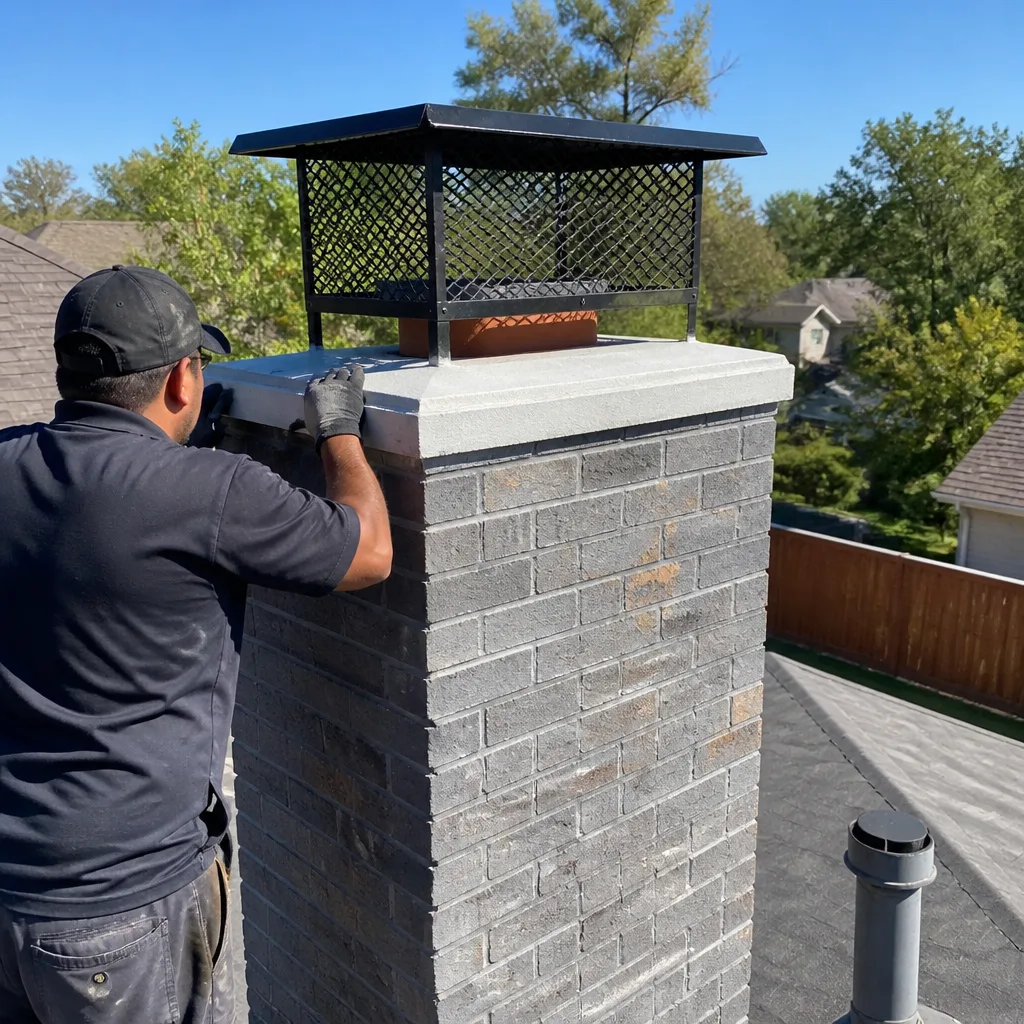
Local building codes reflect this reality. The City of Dallas requires chimney caps that meet specific coverage standards, and many suburbs in Collin County, including Plano and Frisco, have adopted similar regulations because of the number of water intrusion claims tied to uncapped or improperly capped chimneys. A quality chimney cap costs between $150 and $400 installed and prevents more chimney problems in Dallas than any other single fix.
For homeowners considering a pre-season check, our Chimney Sweep in Dallas service includes a full inspection of the cap, crown, and visible flue condition as part of the cleaning visit.
What Chimney Work Costs in Dallas: Plain Numbers
We believe in saying the price out loud. Here’s what chimney work actually costs in the Dallas market in 2026, based on what we charge and what we consistently see from other reputable firms in the area.
Standard Service Pricing
| Service | Typical Dallas Price Range | What’s Included |
|---|---|---|
| Standard chimney sweep | $189 – $289 | Full flue brushing, firebox cleaning, damper check, visual inspection, disposal of debris |
| Level 1 chimney inspection | $129 – $199 | Visual inspection of accessible chimney components, no teardown, written report |
| Level 2 chimney inspection | $249 – $399 | Camera scan of flue interior, detailed condition report, typically required for real estate transactions |
| Chimney cap supply and install | $150 – $400 | Depending on cap size, material, and roof access difficulty |
| Tuckpointing (per chimney side) | $350 – $800 | Mortar joint removal and replacement, material cost varies with brick type |
| Flue relining (stainless steel) | $2,400 – $4,800 | Full liner replacement, typically DuraFlex or equivalent, includes cap and connection |
These are honest numbers. A sweep in Dallas should never cost $600. A full relining job should never be quoted at $900 with a wink. If a price seems dramatically off in either direction, ask questions. The written price you receive before work starts should match the invoice exactly, with no add-ons explained after the fact.
We complete every Fireplace Repair in Dallas job with professional-grade materials from established chimney-trade manufacturers like DuraFlex and HeatShield, not whatever generic product was cheapest at the supply house that morning. The material cost difference is modest. The longevity difference is years. And every repair we complete carries a written guarantee. If a covered repair fails within the guarantee period, we return and correct it at no charge. That’s the 365-Day Done Right Promise, and it’s backed by the Kingswell Guarantee, a set of standards each independently owned location follows.
Common Mistakes to Avoid
- Burning “chimney cleaning logs” as a substitute for sweeping. Those products break down light creosote, but they don’t remove hardened deposits, and they can’t inspect anything. Use them between sweeps if you like, but don’t count them as maintenance.
- Ignoring a summer smell because “we’re not using the fireplace.” Odor in summer is often the clearest signal that creosote has accumulated beyond safe levels. The fireplace is talking to you. Listen.
- Painting over efflorescence to hide it. The white deposits will reappear, and paint traps moisture in the brick, accelerating spalling. Fix the water path, not the symptom.
- Waiting until November to book a sweep. Every Dallas chimney company is backlogged from October through January. You’ll pay more, wait longer, and possibly burn in a dirty chimney because you couldn’t get on the schedule. Book in August or September.
- Assuming a “newer” home doesn’t need chimney work. We’ve found cracked crowns and poorly installed flashing on homes built in the last ten years across Frisco, McKinney, and Prosper. Builders don’t always prioritize chimney detailing.
- Getting a sweep without any written record. A verbal price and a handshake doesn’t protect you if something goes wrong. Every job should produce a written price before work and a written guarantee after. If a company won’t put it in writing, walk away.
- Climbing on the roof to “check things out.” Roof falls are one of the most common homeowner injuries. A chimney inspection from the roof is a job for someone with the right ladder, safety gear, and insurance. The view from the ground is enough for you to spot warning signs.
When to Call a Professional
Call a professional whenever a warning sign lands in the “schedule soon” or “stop using now” column of the severity scale above. Specifically: smoke entering the room, water in the firebox, falling debris, spalling brick, or any sign of flue liner damage. Also call if you’ve recently bought a home in Dallas and don’t know when the chimney was last inspected, because you inherited whatever condition the previous owner left behind. Nathan Corliss founded Ashby Chimney Dallas on the idea that a chimney company should say its price up front, show up when it promised, and put its guarantee in writing. Every Ashby technician is background-checked and uniformed, and the phone is answered by a live person around the clock, because chimney problems don’t respect business hours. Ashby Chimney Dallas offers free estimates throughout the Dallas area. Call (361) 314-3193 to schedule yours.
Start with Ashby Chimney Dallas home for an overview of services and coverage.
Frequently Asked Questions
Most standard chimney sweeps in Dallas cost between $189 and $289, depending on the size of the flue, the level of creosote buildup, and roof access difficulty. Ashby Chimney Dallas provides a written price before any work starts, so the number you’re quoted is the number on the invoice. Call (361) 314-3193 for a free estimate specific to your chimney.
A wood-burning fireplace used regularly throughout the fall and winter should be swept once per year, ideally in late summer or early fall before burn season starts. Fireplaces used only occasionally can go two years, but an annual inspection is still recommended because Dallas weather causes structural issues independent of usage, including water intrusion from freeze-thaw cycles.
Creosote smells like an old campfire or a heavily used barbecue pit, sharp and smoky rather than fresh. You smell it more in summer because Dallas humidity rises, the creosote absorbs moisture from the air, and the odor releases into your living space through the open damper. A strong summer smell usually means creosote has built up enough to warrant cleaning before the next burn season.
That white powdery substance is efflorescence, which is dissolved mineral salt left behind when water evaporates from the brick surface. It tells you that water is moving through your chimney masonry, usually because of a cracked crown, damaged flashing, or eroded mortar joints. The fix is to stop the water at its source, not to scrub the brick. Call (361) 314-3193 to schedule an inspection that identifies where the water is getting in.
Yes, and it’s one of the best returns on investment in chimney care. A cap keeps rain out, which prevents most of the water damage we see in Dallas chimneys, including cracked crowns during freeze-thaw cycles. It also keeps out birds, squirrels, and the occasional Dallas raccoon. A quality cap costs between $150 and $400 installed, a small price compared to a $2,400 relining job.
In most cases, a smoky smell when the fireplace is not in use indicates creosote buildup, which is a fire hazard. You can likely use the fireplace safely one more time to confirm the odor increases with use, but the safer and smarter move is to have it swept before lighting another fire. Sweeping costs less than $300 in Dallas and eliminates the creosote that’s causing the smell and the risk.
The Bottom Line
Chimney warning signs in Dallas rarely appear without a traceable cause. A summer smell points to creosote. A rainstorm stain points to water intrusion. Smoke in the room points to a drafting failure or obstruction. You now know how to tell them apart and what to do about each one. The homeowners who fare best are the ones who check their chimneys twice a year, book sweeps before October, and don’t ignore the small signals while they’re still small. For ongoing care tips, visit our more guides & resources page. Ashby Chimney Dallas has been serving the Dallas area since 2002 with straightforward pricing, written guarantees, and work that stands behind the name. When you notice something that doesn’t look right, or when it’s simply been too long since the last sweep, call (361) 314-3193. We’ll give you a written price, do the work right, and put the guarantee in writing.
Written by Nathan Corliss, Owner at Ashby Chimney Dallas, serving Dallas since 2002.
See the difference
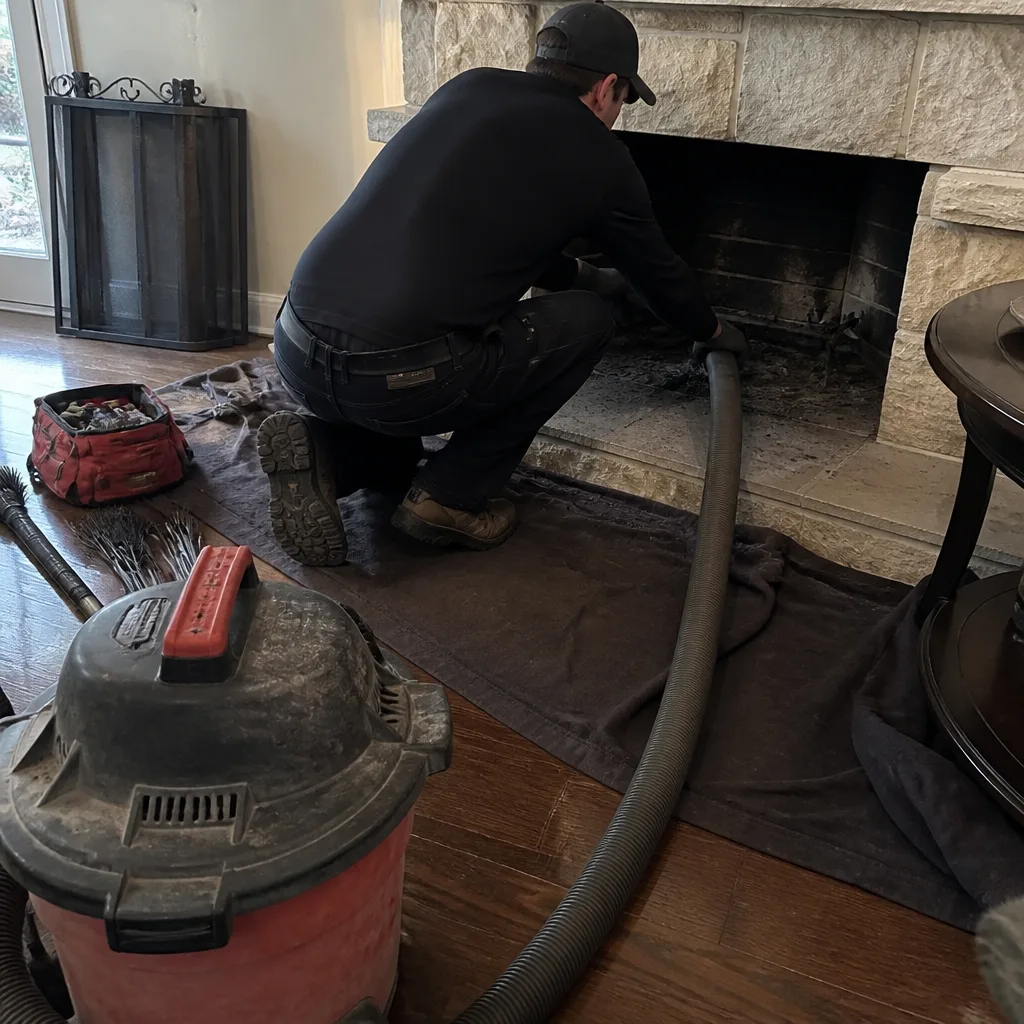 Before
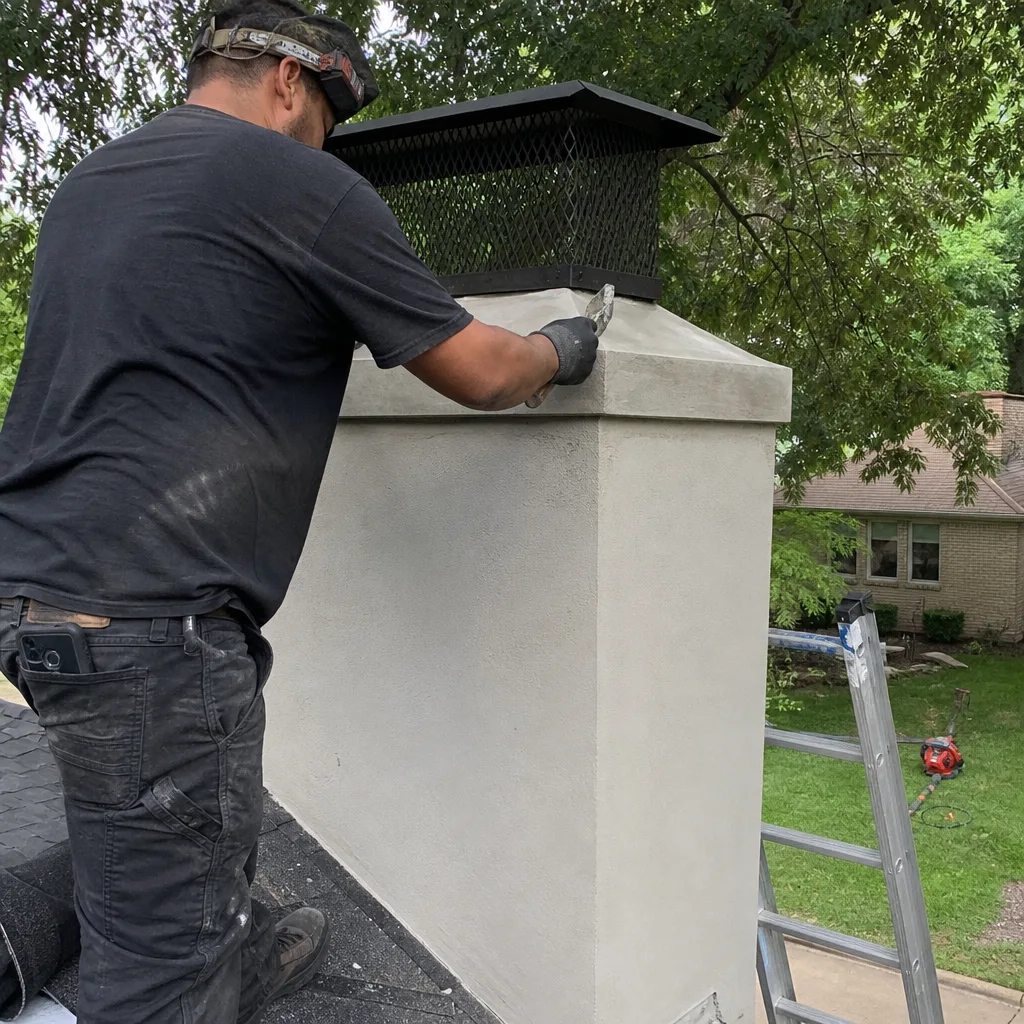 After
After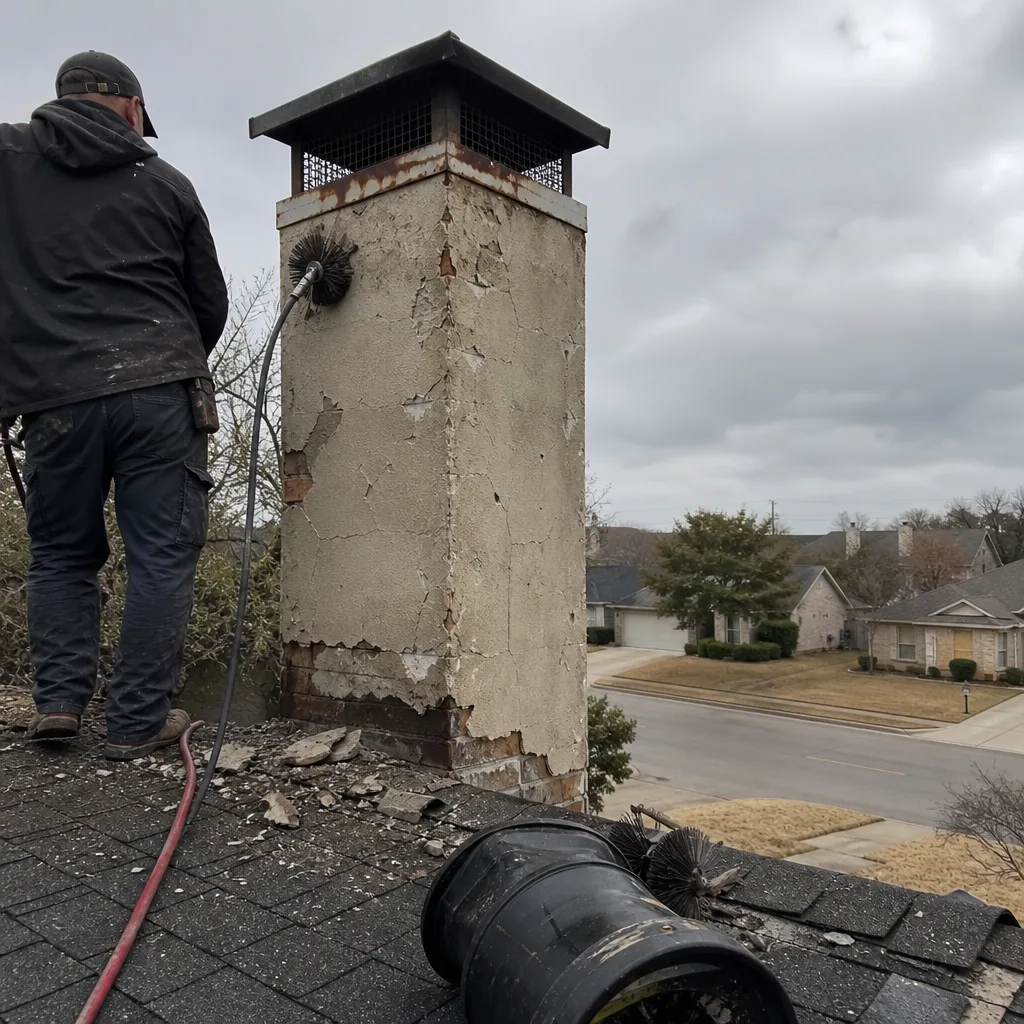 Before
 After
After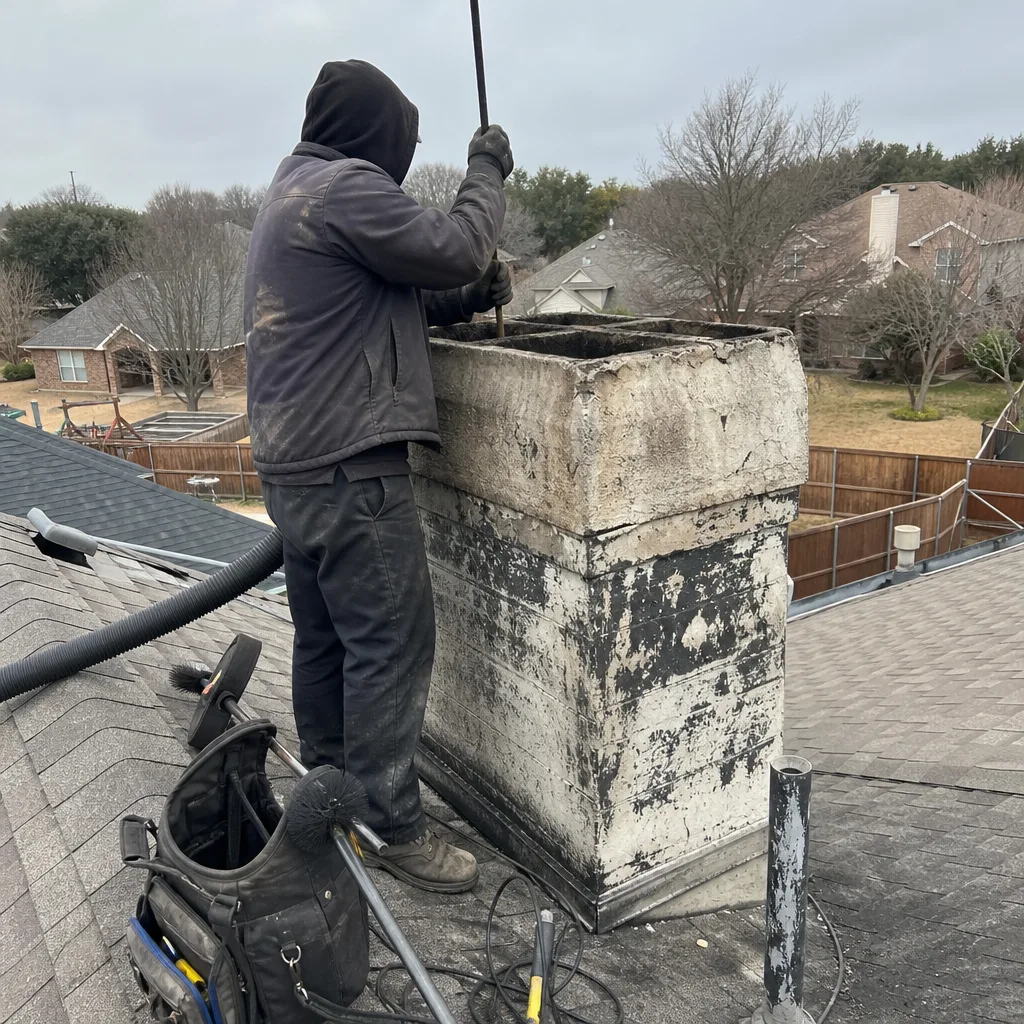 Before
 After
After