
Last updated October 15, 2026
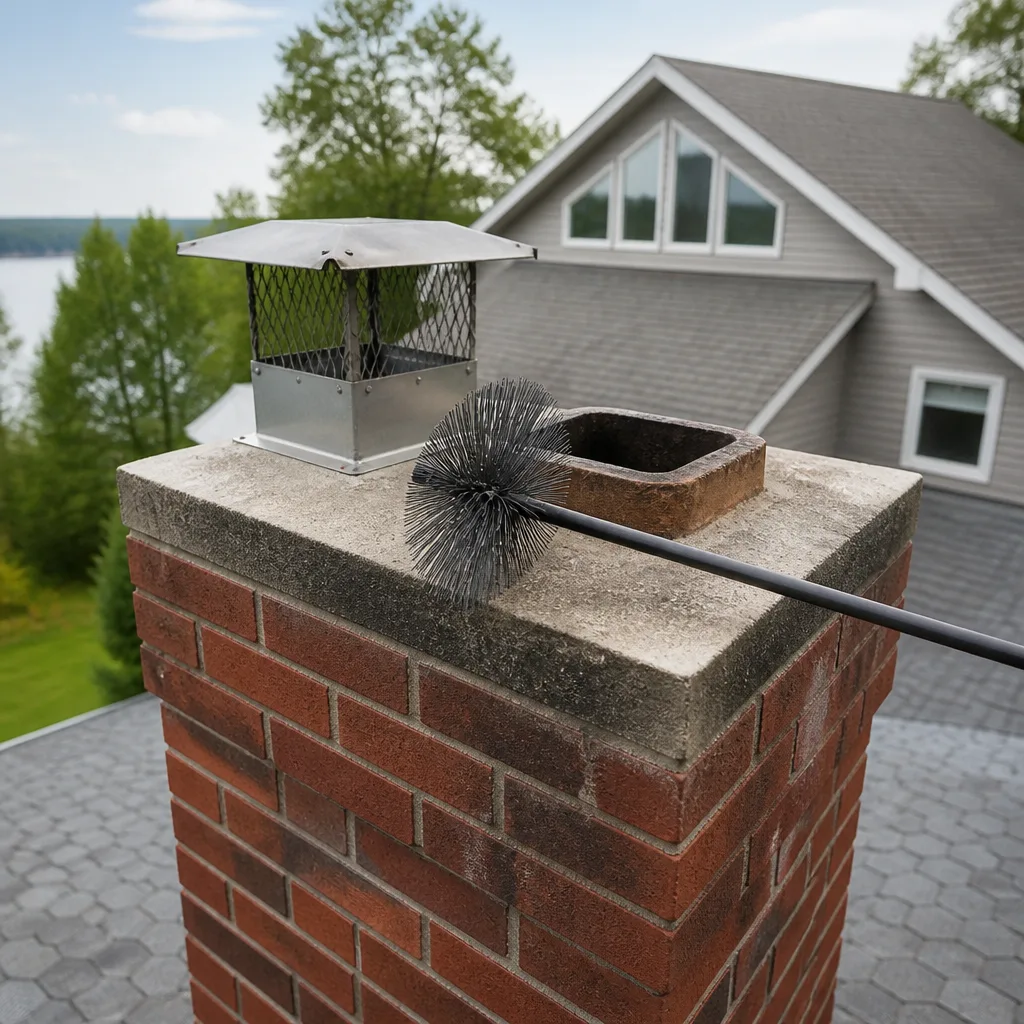 Sweep & inspection
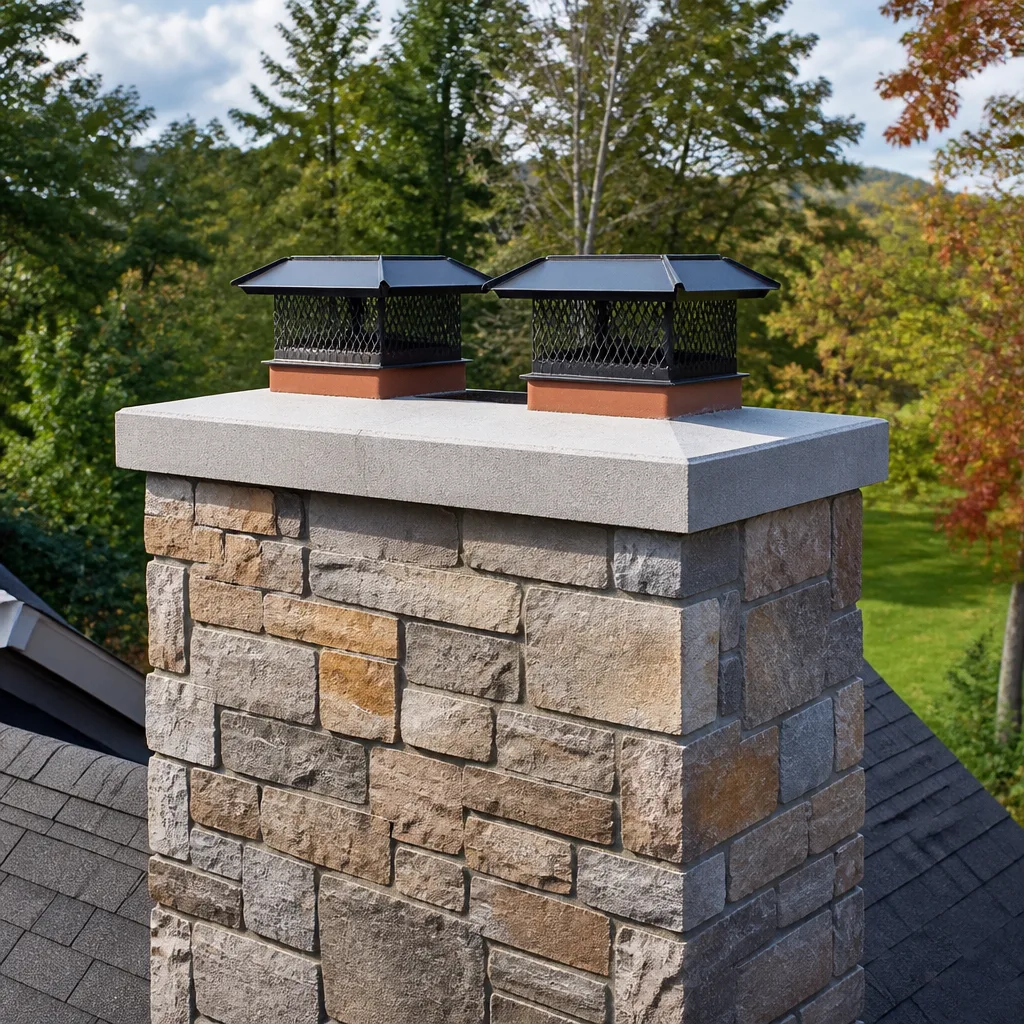 Caps & crowns
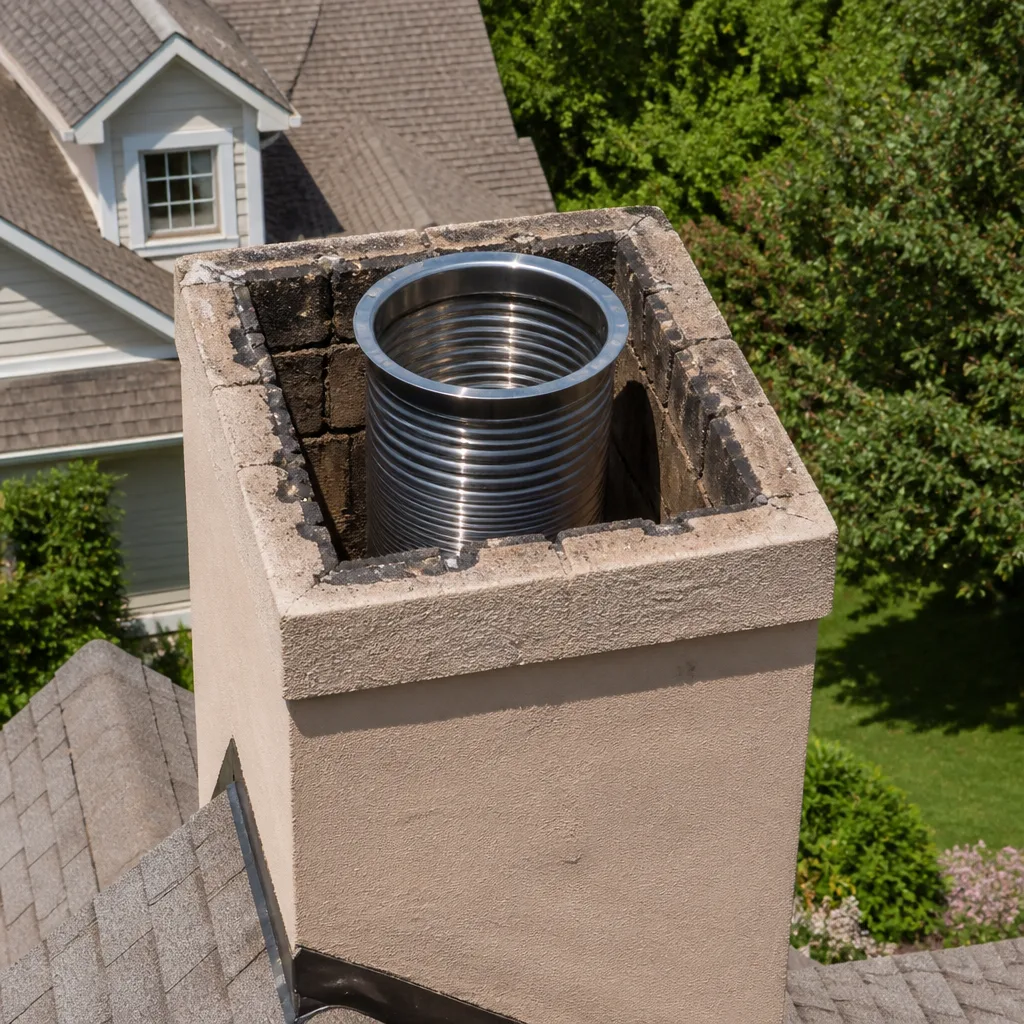 Flue relining
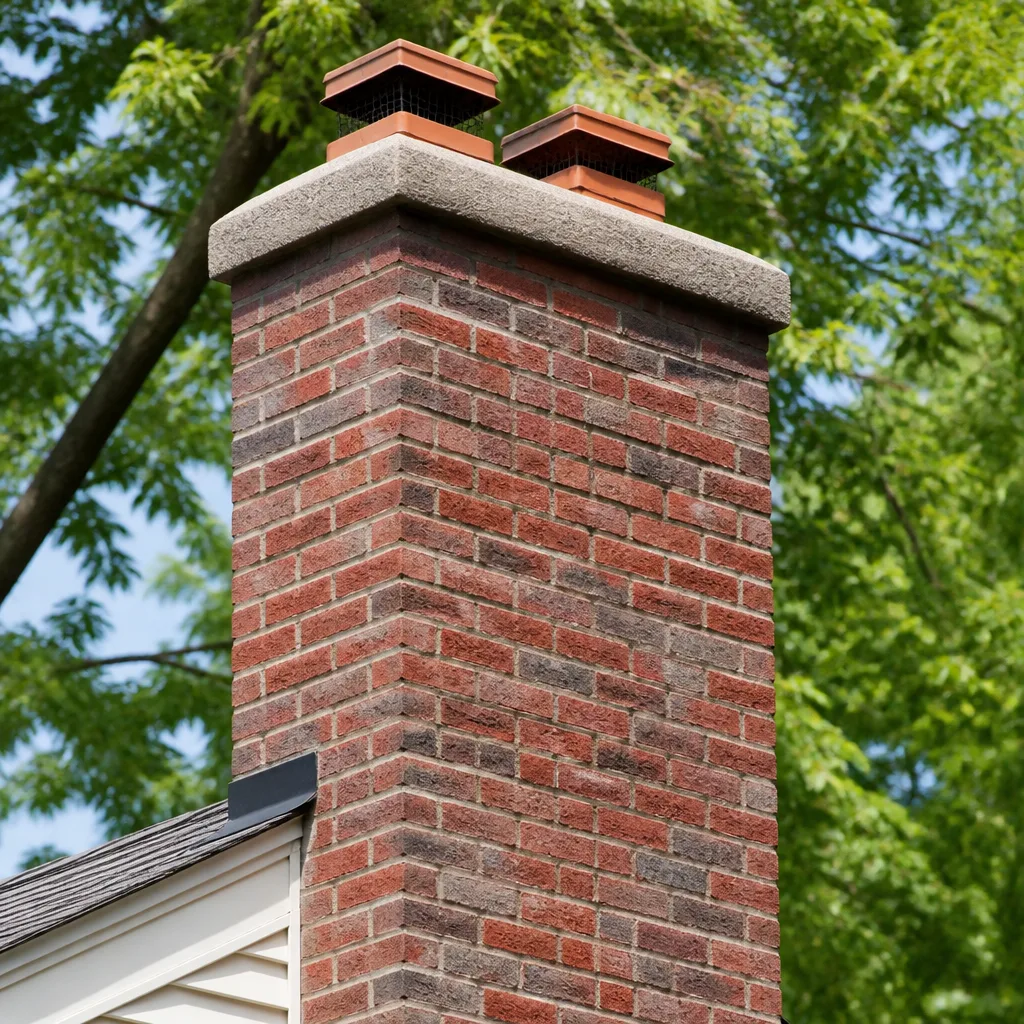 Masonry repair
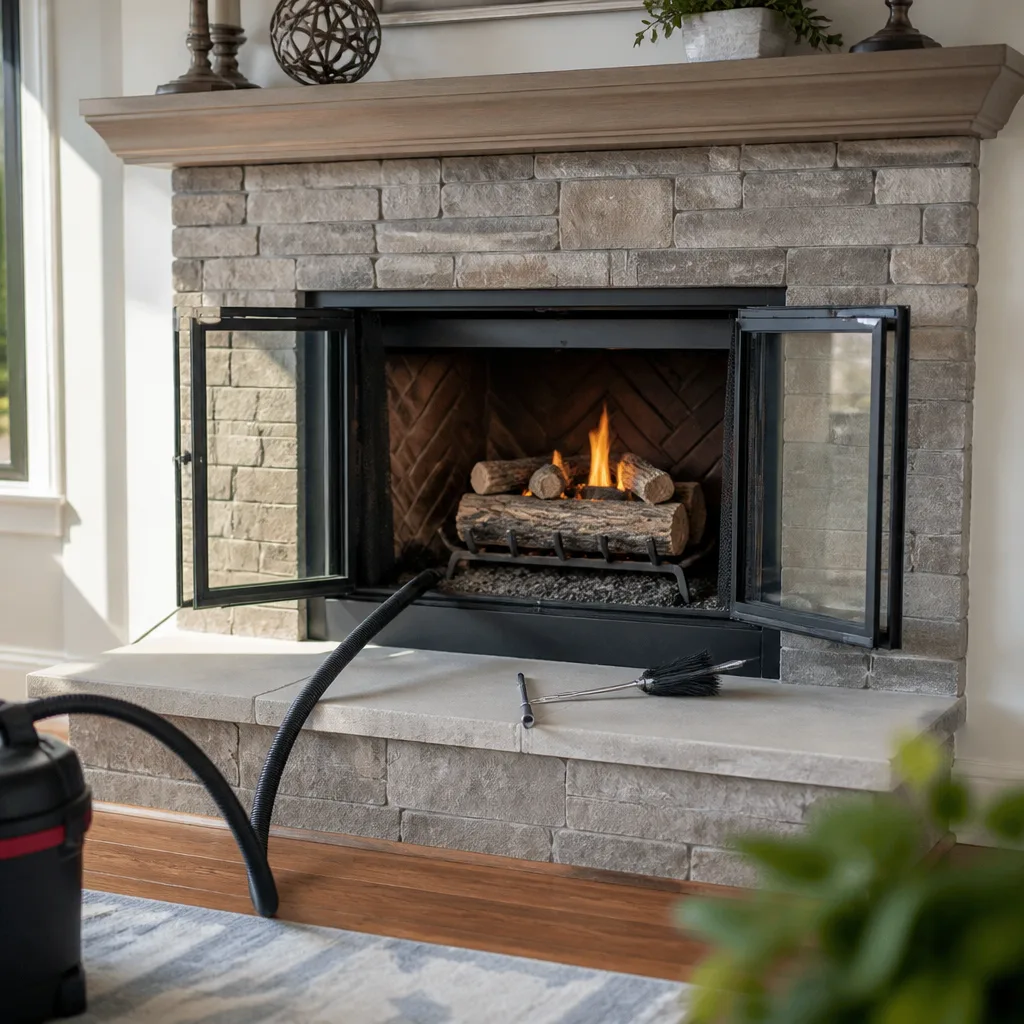 Gas fireplace service
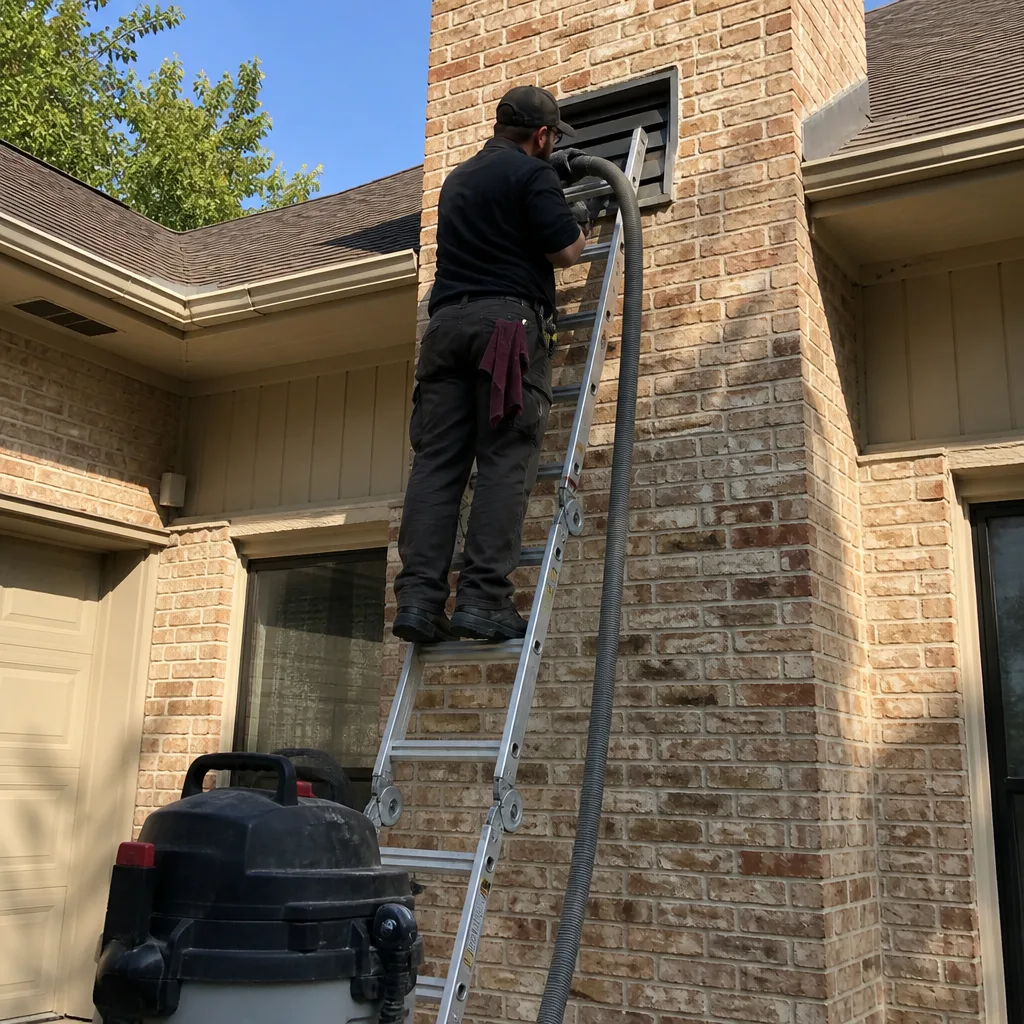
Level 1 sweep and inspection to the NFPA 211 annual standard - flue, crown, cap, and flashing checked and photographed
Chimney sweep logs do not sweep chimneys. They loosen some creosote - which then falls where a brush and vacuum still have to collect it.
Chimney Sweep Maintenance Checklist for Dallas Homeowners
Here’s a counterintuitive fact about Dallas fireplaces: most of the damage we repair happens during the months when nobody is burning anything. A Dallas summer means six months of 95-degree heat, spring hailstorms, and the occasional soaking rain, all of it working on a chimney that isn’t being used. By the time that first cold snap hits in November, we’re not surprised to find cracked flue tiles, animal nests, or a damper that’s rusted shut. This guide is a practical maintenance checklist built around that reality: a short, sporadic burn season bookended by long stretches of neglect. You’ll learn what to check before the first fire, what to watch during the short Dallas burn window, and why March is actually the smartest month to book a chimney sweep in Dallas.
Styles & brands we work with
Quick Answer
A chimney maintenance checklist for Dallas works best in three parts: a September/October pre-season check (visual inspection from the firebox and a look at the roof cap), an in-season routine from November through February (watch for smoke spillage, unusual smells, and creosote buildup every 6-8 weeks of use), and a post-season sweep in March or April when the weather is mild and scheduling is easy. Most Dallas homeowners should sweep once per year, and a professional chimney inspection should happen annually for wood-burning fireplaces, regardless of how little you burned the previous winter. For DIY vs professional chimney cleaning considerations, see our Dallas homeowner’s guide.
Table of Contents
- Pre-Season Checklist: September and October in Dallas
- In-Season Checklist: November Through February
- Post-Season Checklist: Why March Is the Best Time to Sweep
- What You Can Check From the Ground vs. What Needs a Pro on the Roof
- Year-Round Maintenance Habits That Prevent Big Repairs
- Dallas-Specific Risks: Heat, Storms, and What They Do to Chimneys
- What Does a Chimney Sweep Cost in Dallas?
- Common Mistakes to Avoid
- When to Call a Professional
- Frequently Asked Questions
- The Bottom Line
The single most skipped maintenance task by Dallas homeowners isn’t the annual sweep. It’s the five-minute visual check before the first fire of the season. Every fall, we get calls from homeowners in Lakewood, Richardson, and Plano who flipped on the gas starter or lit a log for the first time and immediately smelled something wrong. Birds nest in chimney caps during spring. Summer storms knock caps loose or drop tree limbs onto flue crowns. A quick look up the flue with a flashlight and a check of the damper catches most of this before it becomes a $2,000 repair. That’s the whole point of this checklist: cheap, simple habits built around how Dallas actually burns wood.
Pre-Season Checklist: September and October in Dallas
September in Dallas is still hot, but it’s the right time to start checking. You want any repairs completed before the first burn, not discovered during it. Here’s the step-by-step pre-season routine we recommend for every wood-burning fireplace owner in Dallas. Most of this takes under ten minutes and requires nothing more than a flashlight, a phone camera, and a willingness to look up.
- Open the damper and look up the flue with a flashlight. You’re checking for three things: animal debris (twigs, grass, feathers), visible soot that looks thick or shiny, and any obstruction blocking the top of the flue. If you see daylight at the top, the cap is still in place and the flue is open. If you see nothing, that’s a problem.
- Check the firebox floor for debris. Before you start a fire, clear out any old ash, but leave a thin layer (about half an inch) at the bottom. That ash bed insulates the firebox floor and helps the fire start faster. Remove any large chunks of charred wood, and look for small animal droppings, which indicate something got down the flue.
- Inspect the damper mechanism. Dampers rust in Dallas, not from overuse but from disuse and humidity. Open and close it fully a few times. If it sticks, squeals, or won’t seal fully, that’s a $100-$250 repair now, or a nasty draft all winter if you ignore it.
- Look at the roof cap from the ground. You can’t see everything from the yard, but you can spot a missing cap, a leaning cap, or a cap that’s covered in leaves. If the cap is gone, animals have an open invitation.
- Check for water stains on the ceiling around the fireplace. Dallas summer storms can reveal a flashing leak that you won’t notice until you’re sitting in the living room during a November rain. Brown rings, bubbling drywall, or a musty smell near the chimney are all signs that water is getting in somewhere.
- Sniff the firebox. A strong, acrid, campfire smell in September with no fire burning usually means creosote deposits are thick and humidity is activating them. It’s a telltale sign the flue needs cleaning before you burn again.
In our experience, about one in three pre-season checks we do in Dallas turns up something that should be fixed before the first burn. Most of it is minor: a tightened damper, a cleaned cap, a small flashing patch. But catching that in October means it’s fixed by Thanksgiving, not discovered on Christmas Eve when the family is over and the fireplace is the centerpiece of the room.
In-Season Checklist: November Through February
Dallas burn seasons are short and unpredictable. Some winters you’ll burn two or three times a week from Thanksgiving through Valentine’s Day. Other winters, you’ll get three cold snaps and barely touch the fireplace. Either way, the in-season checklist is the same: watch, smell, listen, and stop burning if anything feels off. Here’s what to check while the fireplace is actually doing its job.
Every 6-8 weeks of active burning:
- Check for smoke spillage into the room. A properly drafting chimney pulls smoke up and out. If you see smoke curling back into the room, especially when the fire is first lit or when a door opens, that’s a draft problem. It could be a cold flue, a clogged cap, a damper that’s not fully open, or a flue that’s too narrow for the firebox. Don’t just live with it.
- Look at the creosote on the flue walls. Use your flashlight and look up from the firebox. Creosote comes in three stages: flaky and gray (first degree, normal), shiny black tar (second degree, needs sweeping soon), and glassy, hard, or dripping (third degree, a serious fire risk). If you see anything that looks wet, shiny, or thick, stop burning and book a sweep.
- Smell the chimney on cold mornings. A cold fireplace that smells strongly of smoke or tar when not in use means creosote has built up enough that humidity is releasing odors. It’s a sign the flue needs cleaning, even if you’ve only burned a dozen fires.
- Listen for animal sounds. Scratching, scurrying, or chirping from the chimney means something got past the cap. Animals and fire don’t mix. Don’t smoke them out; call a professional who can remove them safely and fix the cap.
Every fire, before you light it:
- Open the damper fully. This is the most obvious step in the world, and the most forgotten. A closed damper fills your living room with smoke in about thirty seconds.
- Prime the flue. Dallas winters are mild, so cold air often sits in the flue and blocks the draft. Roll up a piece of newspaper, light it, and hold it up near the open damper for 10-15 seconds. That warm air helps start the draft before you light the main fire. It prevents most smoke spillage.
- Burn only dry, seasoned hardwood. Wet or green wood creates more creosote, full stop. If you’re buying wood in Dallas, look for oak or hickory that’s been split and stacked for at least 6-12 months. Avoid pine and cedar, which pop and spark and leave heavy, sticky creosote behind.
- Don’t overload the firebox. A roaring fire may look impressive, but it burns hot enough to stress flue tiles and accelerates creosote buildup. One or two logs at a time is plenty for a Dallas living room.
If you notice any of these warning signs mid-season, stop burning until a chimney professional has looked at it. A chimney fire in Dallas is preventable, and the warning signs are almost always visible before the fire starts.
Post-Season Checklist: Why March Is the Best Time to Sweep
Most homeowners assume fall is the time to book a chimney sweep. For Dallas specifically, we disagree. Here’s why March and April are the sweet spot for a professional chimney sweep in Dallas. See The Complete Guide to Chimney Cleaning in Dallas for the full picture.
First, scheduling. Chimney sweeps in Dallas book up fast in October and November as everyone remembers their fireplace exists. By March, the rush is over, and you can get a next-day or same-week appointment without fighting for a slot. Second, weather. A sweep requires access to the roof, and March in Dallas is usually dry and mild. You’re not asking a technician to work on a hot Texas roof in August, and you’re not dealing with a surprise November cold snap. Third, and most important: the chimney sits all summer. If you sweep in March, the flue is clean going into seven months of inactivity. That means no creosote odors in August, no corrosion accelerated by acidic creosote sitting against metal liners all summer, and no animal nesting in a flue that’s already clean and capped properly.
Post-season checklist:
- Book your annual sweep in March. One sweep per year is the general rule for wood-burning fireplaces in Dallas. If you burned heavily (more than 30 fires), book two: one mid-season and one in March.
- Document everything. Take photos before and after the sweep. Keep the invoice. If a problem develops over the summer, you’ll know exactly what was checked and when. We include a written report with every chimney inspection for this reason.
- Close the damper for the summer. An open damper lets cooled air out of your house all summer and lets humidity in. Close it once the fireplace has fully cooled after the final fire of the season.
- Check the cap one last time. Make sure the cap is secure before the spring storm season kicks in. The storms that roll through Dallas in April and May are exactly what knock loose caps off chimneys.
- Note any repairs to schedule before October. If the sweep turned up a crack in a flue tile, a damaged cap, or a damper that needs replacement, don’t wait until fall to book it. Schedule that repair for spring or early summer when technicians have open calendars.
This is the kind of maintenance pattern that keeps a Dallas chimney healthy for decades. It matches the local reality: you burn hard for three months, then the chimney sits for nine. Clean it when the season ends, and it’s ready when the first cold night arrives in November.
What You Can Check From the Ground vs. What Needs a Pro on the Roof
Most of the items on this checklist are designed for homeowners to do safely from the ground or from inside the firebox. But there’s a hard line between what you should check and what you should leave to a trained professional. We say this not to protect our calendar but to protect your safety. Chimneys involve heights, carbon monoxide, and fire. Some things are worth paying someone to do wrong not do at all yourself.
Safe to check yourself from the ground:
- Damper operation from inside the firebox
- Visible soot and creosote on the lower flue walls with a flashlight
- Debris in the firebox
- Roof cap condition from the yard (binoculars help)
- Water stains on ceilings and walls near the fireplace
- Cracks in the firebox walls you can see and touch
- Smoke behavior during a burn
- Unusual smells with the fireplace cold
Leave to a professional:
- Anything on the roof. Walking on a Dallas roof to inspect a chimney cap, crown, or flashing is genuinely dangerous. Steep pitches, clay tiles, and slick shingles after rain all make for a bad fall. A chimney technician carries the right ladder, the right fall protection, and the right insurance. You don’t.
- Flue liner inspection above the firebox. You can see the first few feet of flue from the firebox with a flashlight. You cannot see the upper third, the smoke shelf, or the area behind the damper. A professional inspection uses a camera system to check the full length of the flue, and this is how we find cracks in clay tiles, gaps between sections, or a stainless liner that’s begun to separate. If you’re considering a repair, camera evidence means you can see the problem on screen with your own eyes before approving any work.
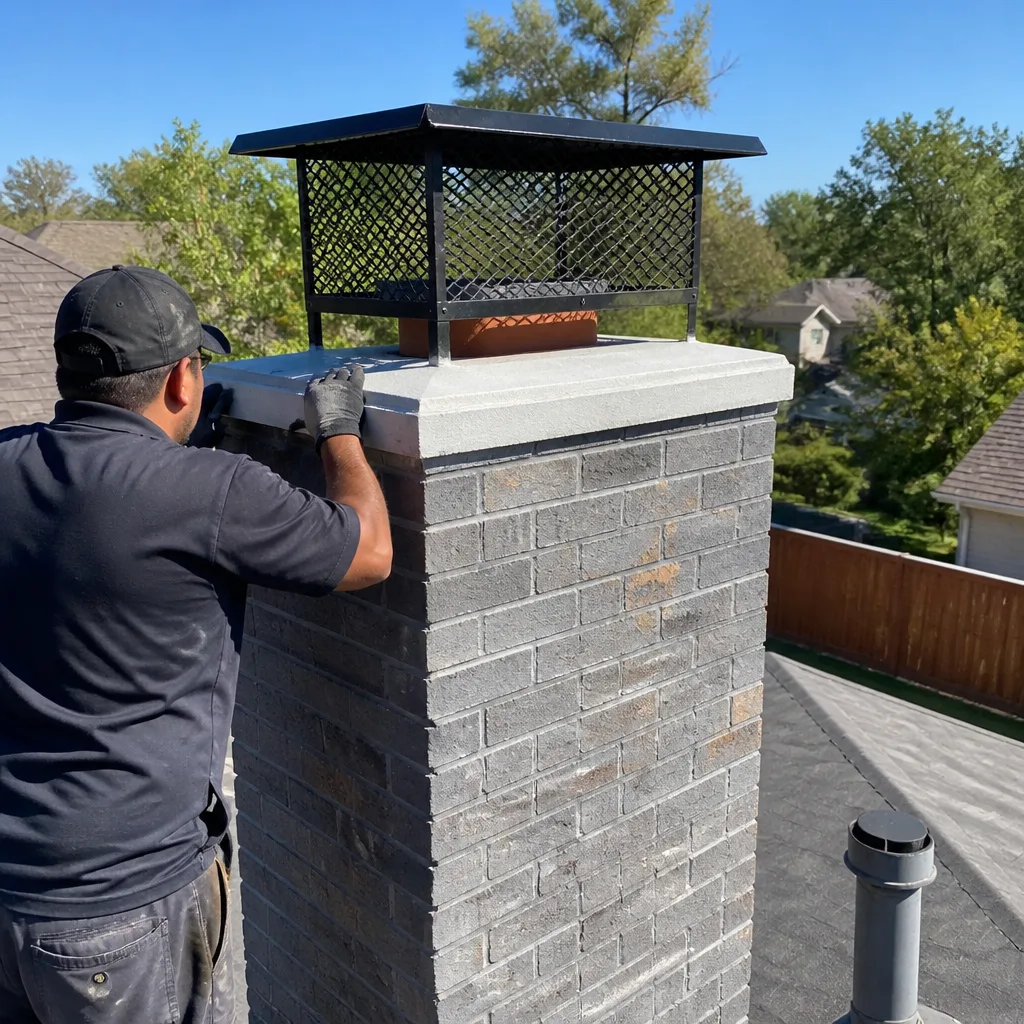
- Chimney cap installation or replacement. It involves roof access, climbing, and the risk of a fall. Not a DIY job.
- Creosote removal of any significance. Professional sweeps use rotary brushes and specialized tools to remove second and third-degree creosote without damaging the flue. DIY wire brushes from the hardware store can’t handle heavy buildup, and the chemical “creosote removal” logs sold at big-box stores do not replace a sweep. They loosen a little, but they don’t clean. Don’t be fooled.
- Flue liner repair or replacement. This is a job for a professional with a recognized brand like DuraFlex or HeatShield, not a weekend project. If a liner is cracked, the most common fix in Dallas involves either resurfacing the existing flue with HeatShield’s ceramic coating or installing a stainless steel liner, often DuraFlex. Both require training, tools, and a manufacturer’s warranty process. A homeowner can’t do it, and should not try.
One more thing worth saying clearly: if you smell gas near your fireplace or suspect a carbon monoxide issue, leave the house and call the gas company or 911. Carbon monoxide is odorless, but gas leaks and faulty venting are not a maintenance checklist item. They’re an emergency.
Year-Round Maintenance Habits That Prevent Big Repairs
Beyond the seasonal checklists, there are a few habits that keep Dallas chimneys healthy all year. None of these take more than a minute, and each one prevents a specific, expensive failure we see regularly across Dallas, from Oak Cliff to Far North Dallas.
- Keep the damper closed when the fireplace isn’t in use. This keeps air-conditioned air inside where it belongs in the summer and keeps humid outside air from soaking into the masonry.
- Keep the chimney cap clear of leaves and debris. Dallas has a lot of mature trees. Pecan, oak, and elm leaves find their way onto flat surfaces, and a chimney cap with a full leaf trap prevents proper draft and invites moisture. If you can safely reach the cap with a leaf blower from the ground, do it after the fall leaf drop.
- Don’t burn paper, wrapping paper, or cardboard. These create floating embers and produce creosote faster than seasoned hardwood. That pretty gift-wrap fire in December can send burning embers up the flue and into the cap screen or onto the roof.
- Check for mortar deterioration on the firebox once a year. Run your finger along the mortar joints in the firebox and around the damper. If it crumbles when you touch it, it’s time for tuckpointing or at least an inspection. Loose mortar is how heat and gases find their way into places they shouldn’t be.
- Install a carbon monoxide detector near the fireplace. This is not optional. If your fireplace is venting improperly, carbon monoxide is invisible and odorless. A detector is the only way you’ll know before it’s too late. Replace the batteries when you change your smoke detector batteries. In Dallas, there is no code excuse to skip this.
These habits are the difference between a chimney that lasts fifty years and one that needs a $4,000 rebuild in fifteen. The little stuff compounds, especially in Dallas, where the masonry is exposed to a hotter, wetter, more punishing climate than almost anywhere else in Texas.
Dallas-Specific Risks: Heat, Storms, and What They Do to Chimneys
Dallas is hard on chimneys in ways that other Texas cities are not. Austin has similar heat but less hail. Houston has similar humidity but fewer freeze cycles. Dallas gets the full range: 100-degree summers, violent spring thunderstorms, occasional winter ice storms, and enough temperature swing to stress masonry in every direction.
Heat expansion and contraction. Clay flue tiles expand in the heat and contract when a cold front blows through. Over years, that movement causes hairline cracks that grow into gaps. A cracked flue tile isn’t just an efficiency problem; it’s a fire risk, because heat and gases can reach combustible framing through the crack. The freeze-thaw cycle in Dallas makes this worse: water gets into a small crack, freezes during a rare ice storm, expands, and widens the crack. Repeat for a decade, and you’re replacing the flue liner.
Storm damage. Dallas storms are famous for wind and hail. A good-sized hailstone can crack a clay chimney crown, damage a cap, or dent a metal liner exposed at the top. High winds and straight-line gusts can shift flashing, which is the metal that seals the joint where the chimney meets the roof. Loose flashing lets water run down the chimney chase and into the ceiling. We see the results every spring in Dallas: water stains on ceilings, moldy smells around the fireplace, and crown repairs that should have been caught in March.
Animal intrusion. The Dallas metro has a large population of squirrels, raccoons, and chimney swifts. Chimney swifts are protected by federal law, which complicates removal. A good chimney cap with the right screen size keeps them out, but a missing or damaged cap is an open door. We’ve removed enough nests from Dallas chimneys to know the pattern: swifts arrive in March, nest through the spring, and leave behind dried vegetation that blocks flues and burns easily. If you hear birds in your chimney in April, don’t start a fire. Wait until they fledge, then get the cap replaced.
These aren’t rare edge cases. They’re the routine reality of owning a fireplace in Dallas, and the maintenance checklist above is built to catch each one before it becomes an expensive repair.
What Does a Chimney Sweep Cost in Dallas?
We believe in putting the price in plain dollars before anyone has to ask. Here’s what a chimney sweep in Dallas typically costs, based on the market ranges we see across the metro area. Note that these are general ranges for the Dallas market, not a quote from any one company. Your price will depend on the size of the flue, the amount of creosote, and whether any repairs are needed.
| Service | Typical Dallas Price Range | What It Includes |
|---|---|---|
| Standard chimney sweep (wood-burning fireplace) | $169 – $289 | Flue brushing, firebox cleanup, damper check, cap visual inspection |
| Chimney inspection (Level 1, with sweep) | $99 – $199 | Visual check of accessible flue, firebox, damper, and cap |
| Chimney inspection (Level 2, with camera) | $249 – $449 | Full video scan of flue interior, typically needed before home sale or after a chimney fire |
| Chimney cap replacement | $150 – $450 | New cap with screen, installation, roof access |
| Damper repair or replacement | $150 – $450 | Adjustment, repair, or new damper assembly |
| Flue liner repair (HeatShield resurfacing) | $1,500 – $4,000 | Ceramic coating applied to existing flue, professional installation |
| Flue liner replacement (DuraFlex stainless steel) | $2,500 – $6,000 | New stainless liner, insulation, cap, and professional installation |
These are ballpark numbers for the Dallas market, not a bid. At Ashby Chimney Dallas, every job receives a written price before any work begins. That’s the Kingswell Guarantee in practice: the number on the invoice matches the number we quoted at the door. If you’re shopping around, ask each company for a written quote before committing. If they won’t put it in writing, that should tell you something.
Want a firm quote? Call Ashby Chimney Dallas home office at (361) 314-3193. We’ll give you the price over the phone, then confirm it in writing when we arrive. No surprise charges, no upselling at the door. That’s the whole point of the Chimney Sweep in Dallas page: honest pricing from a company that shows up when it says it will.
Common Mistakes to Avoid
- Skipping the pre-season check because “we didn’t burn that much last year.” It’s not about how much you burned. It’s about what moved into the chimney during the months you weren’t looking. A chimney that sat unused for nine months is more likely to have an animal nest or storm damage than one used weekly.
- Using a “creosote sweeping log” instead of hiring a sweep. Those logs loosen some creosote, but they don’t remove it. You end up with a flue that looks cleaner but is still loaded with third-degree creosote waiting for a hot fire. They’re a supplement, not a replacement.
- Burning unseasoned or soft wood. In Dallas, the temptation is to buy whatever’s cheapest at the gas station or grocery store. Wet pine or cedar produces heavy smoke, thick creosote, and a poor draft. Buy dry oak or hickory from a reputable wood dealer and store it off the ground, covered.
- Waiting until November to book a sweep. Dallas chimney companies run on a seasonal cycle, and everyone calls in the same three-week window before Thanksgiving. March and April appointments are easier to get, cheaper to schedule, and better for the chimney anyway.
- Ignoring a damp smell in the summer. A chimney that smells musty in July or August usually has water getting in somewhere: a cracked crown, loose flashing, or missing cap. Left alone, water damage compounds fast in Dallas heat and humidity. Address it in the summer, not in the middle of the next burn season.
- Closing the damper while there are still hot coals. Smoldering coals release carbon monoxide. If the damper closes early, that carbon monoxide goes into your house. Wait until the fire is completely out, the ashes are gray, and no embers are glowing.
When to Call a Professional
Call a professional if you see any of these: shiny or dripping creosote in the flue, a cracked or missing chimney cap, water stains on the ceiling near the fireplace, smoke spilling back into the room during a burn, a strong campfire smell when the fireplace is cold, or animal sounds coming from the chimney. You’re also due for a professional chimney inspection if you’ve lived in your Dallas home for more than a year without having one, if you notice crumbling mortar in the firebox, or if you just bought the house and have no idea when the chimney was last swept.
Ashby Chimney Dallas offers free estimates in Dallas. Call (361) 314-3193 and a live person answers, day or night, no voicemail loops. We’ll give you a written price before any work starts, and every repair comes with a written guarantee. That’s not marketing language; it’s the way we’ve done business since 2002. If a covered repair fails within the guarantee period, we come back and fix it at no charge. If you’re not sure whether your chimney needs a sweep or a full Chimney Inspection in Dallas, we’d rather talk it through on the phone than sell you a service you don’t need.
Frequently Asked Questions
Once a year for a wood-burning fireplace, regardless of how many fires you burned. Dallas’s burn season is short, but even a dozen fires can create enough creosote to warrant a sweep, especially if you burned unseasoned wood. If you burned more than 30 fires in a season, schedule a mid-season sweep and then another in March. Call (361) 314-3193 and we’ll help you figure out the right cadence based on your actual burn habits.
A standard chimney sweep in Dallas typically runs between $169 and $289, with inspections adding $99 to $449 depending on the level. The price depends on the flue size, the amount of creosote, and whether any repairs are needed. At Ashby Chimney Dallas, you get a written price before any work begins, so the number we quote is the number you pay. For an exact quote, call (361) 314-3193.
It depends entirely on what a camera inspection shows. We don’t recommend replacing a liner without video evidence you can see with your own eyes. If a flue liner is cracked, the risk is heat and gases reaching combustible framing. A small crack might be repairable with HeatShield resurfacing; a badly deteriorated liner may need a DuraFlex stainless replacement. If a company tells you you need a new liner without showing you the problem on camera, get a second opinion. A good Fireplace Repair in Dallas starts with evidence.
Creosote builds up inside the flue. If it gets thick enough and the fire gets hot enough, it ignites into a chimney fire, which can crack flue tiles and, in the worst case, spread to the house frame. More commonly in Dallas, neglect means water damage from a cracked crown or loose flashing that goes unnoticed for years, leading to spalling brick and interior water stains. The repair bill goes up the longer you wait. Yearly maintenance is cheap compared to a $4,000 flue rebuild.
You can remove loose, first-degree soot with a chimney brush, but a homeowner without roof experience shouldn’t be on a Dallas roof, especially in early spring when shingles are wet or in late summer when they’re scorching hot. Also, a basic brush won’t remove second or third-degree creosote effectively. Most importantly, there’s no safety net if you fall. This is one area where hiring a trained professional is the cheaper option when you factor in hospital bills.
Not without checking it first. Two years of Dallas summers and springs means storms have hit the cap, animals may have nested, and the damper may have rusted. Water could have seeped into the flue and caused unseen damage. Before you light that first fire, check the cap from the ground, look up the flue with a flashlight, and open and close the damper. If anything seems off, don’t burn until a professional has inspected it. The visual check takes five minutes. The peace of mind is yours for free.
The Bottom Line
A Dallas chimney maintenance checklist works best when it matches how Dallas actually burns: short bursts from November through February, then a long stretch of heat and storms. For more guides & resources, visit our blog. Check the damper and flue in September before the season starts, watch for smoke and unusual smells while you’re burning, and book your sweep for March when the weather cooperates and calendars are open. The five-minute pre-season visual check catches most of the big, expensive problems early. Do it every year. Keep the damper closed when not in use. Burn dry hardwood. If you see something that doesn’t look right, don’t burn until a professional has looked at it. Ashby Chimney Dallas offers free estimates and a written price before any work begins. Call (361) 314-3193 and talk to a real person.
Written by Nathan Corliss, Owner at Ashby Chimney Dallas, serving Dallas since 2002.
See the difference
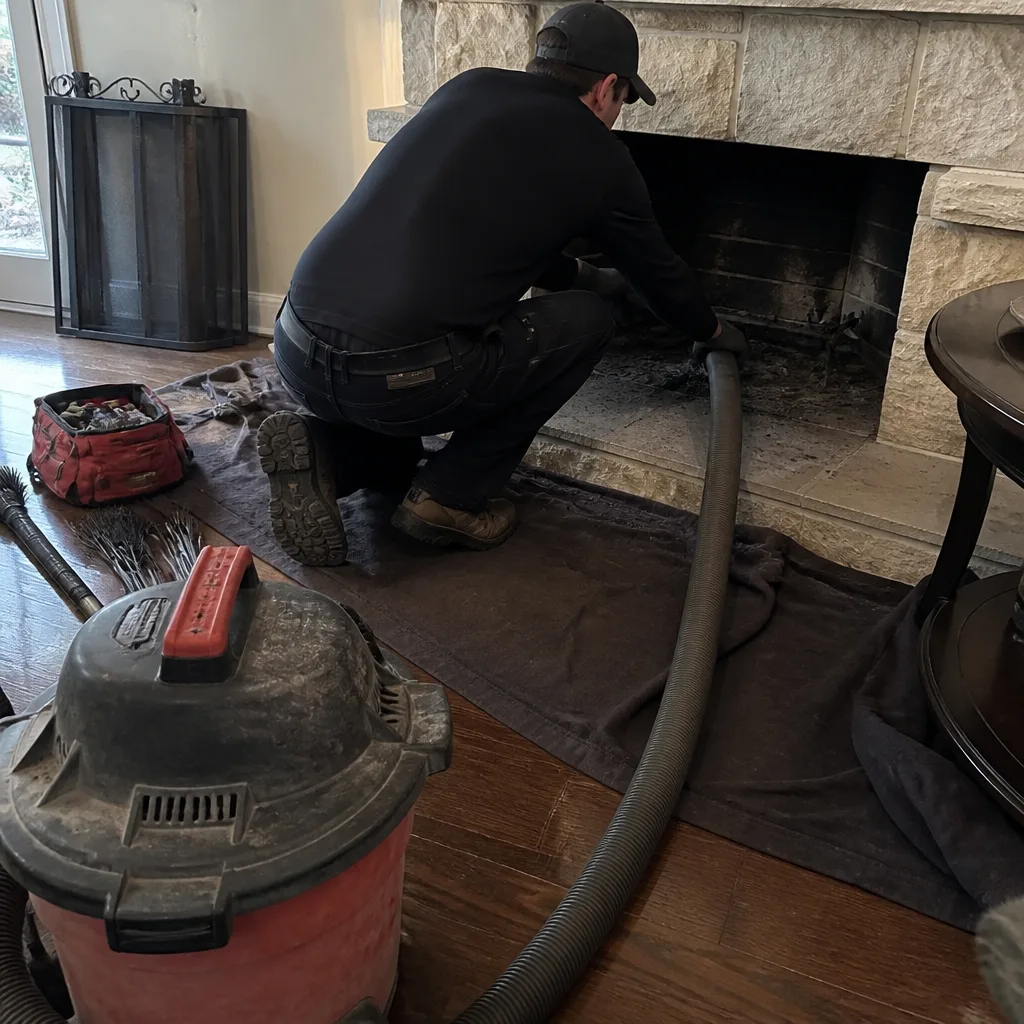 Before
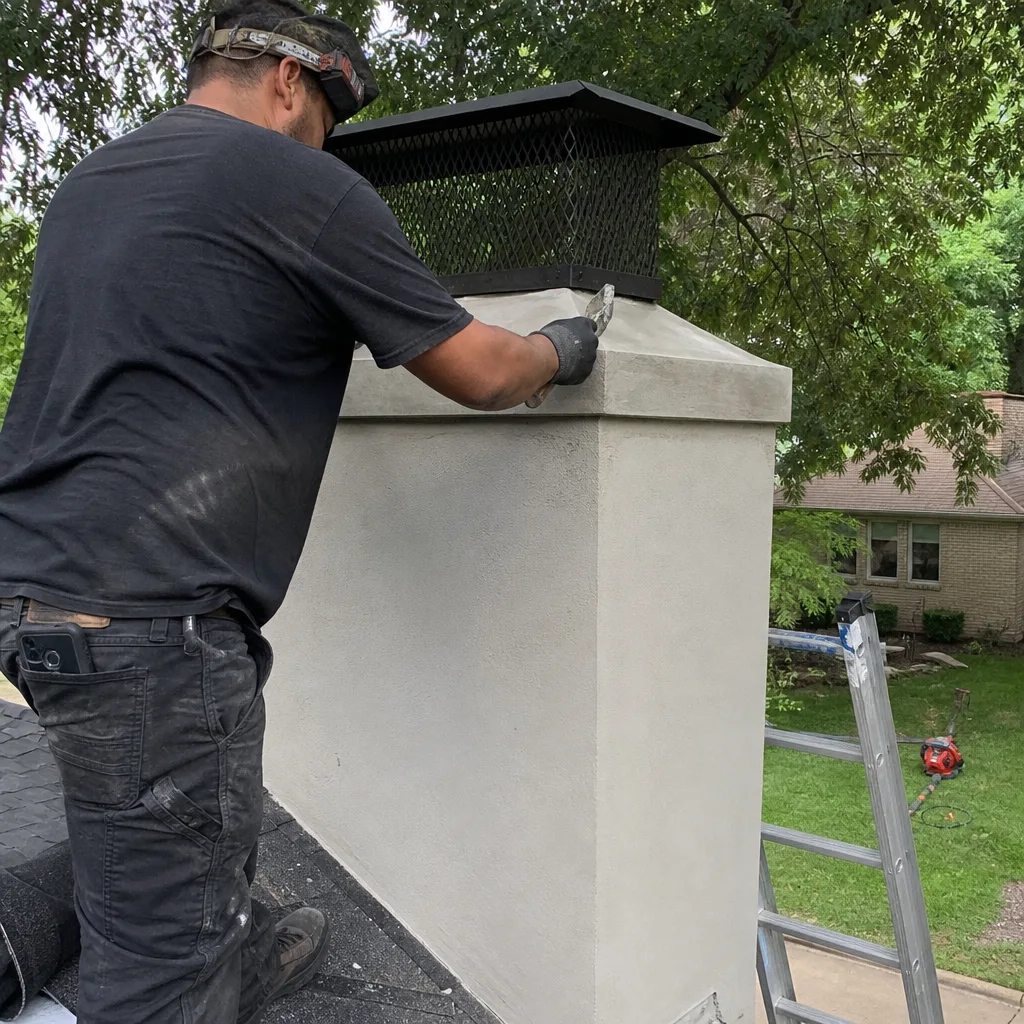 After
After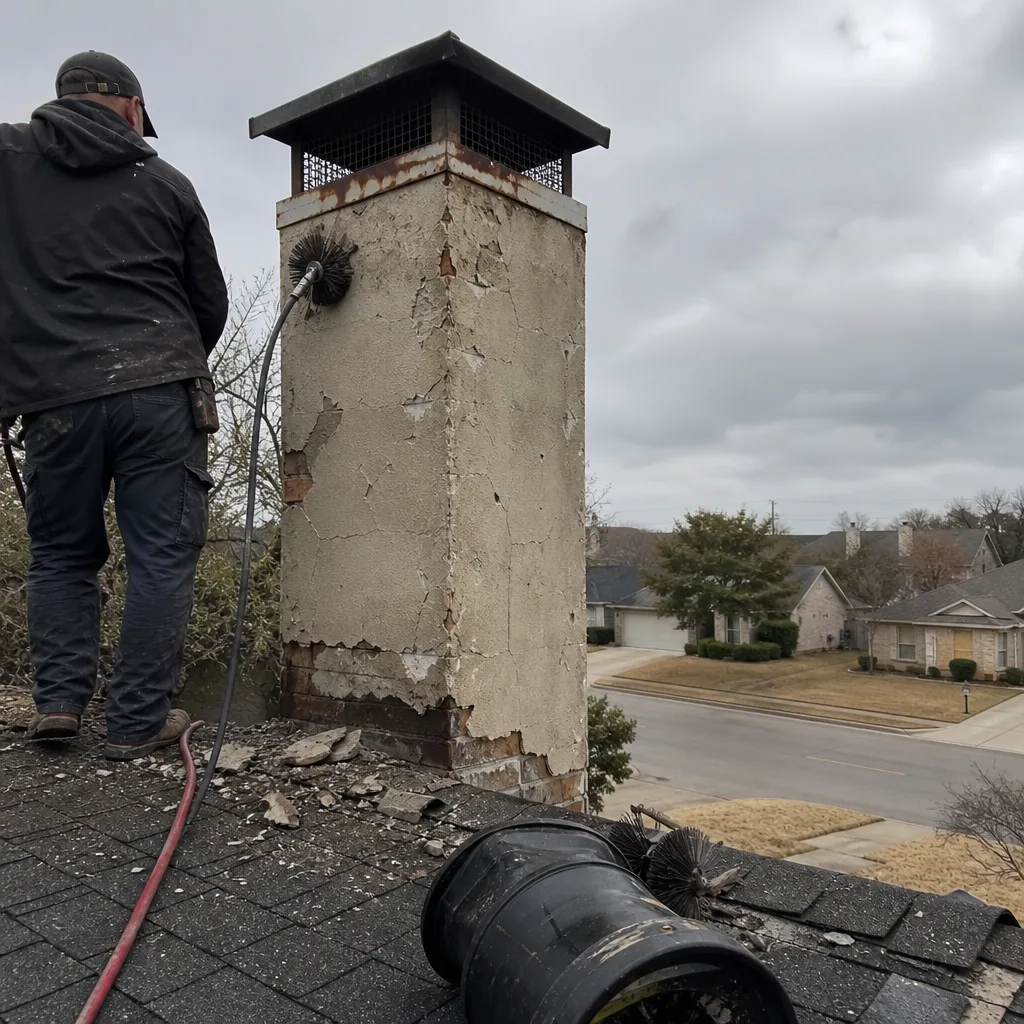 Before
 After
After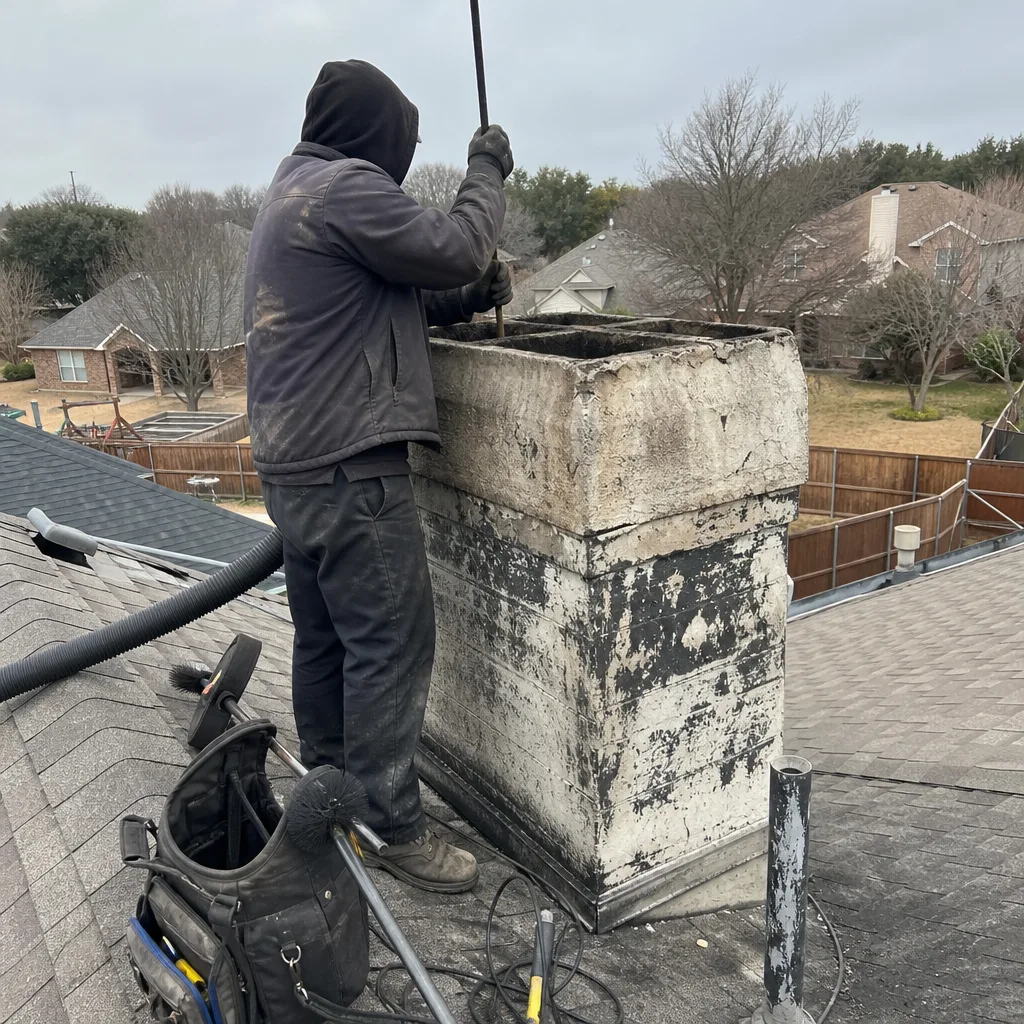 Before
 After
After